Drop Ceiling vs Drywall Ceiling in a Finished Basement
The basement ceiling is the decision most homeowners underthink, and it is one of the few that is genuinely hard to change later. Two options dominate: a drop ceiling, also called a suspended ceiling, and a finished drywall ceiling. Both are completely valid. They just lead to very different basements.
The right choice comes down to a tradeoff between easy access and a clean, full-height look. This guide walks through the pros and cons of each, the height and access factors that should drive the call, and the hybrid approach that is often the real answer. If a ceiling decision is coming up in your basement finishing project, here is how to think it through.
The quick answer
If you have generous ceiling height and want the most modern, seamless look, drywall usually wins. If your ceiling is low, your basement holds important shutoffs and cleanouts, or you want simple future access to plumbing and wiring, a drop ceiling earns its keep. Most basements land somewhere in between, which is why the hybrid below is so common.
Drop ceiling: where it shines and where it does not
A drop ceiling hangs a metal grid below your floor joists and drops in lightweight panels. Its biggest advantage is access. Lift a tile and you reach the plumbing, wiring, ductwork, and shutoffs running overhead. For a basement, where a surprising amount of the home's mechanical system lives, that is a real, practical benefit.
It is also forgiving. A water stain or a panel that gets bumped is a quick, cheap swap rather than a patch-and-repaint job. Modern panels have come a long way from the dated office look, and many offer solid sound dampening, which is handy under a busy main floor.
The cost is headroom. The grid has to hang a few inches below the joists, and that lost height is the single biggest reason people hesitate. In a basement that is already tight, those inches matter. Even with better panels, some homeowners still feel a drop ceiling reads a touch less finished than smooth drywall.

Drywall ceiling: where it shines and where it does not
A drywall ceiling is fastened directly to the joists, taped, finished, and painted. The payoff is the look. It is smooth, seamless, and reads like the rest of your home rather than like a basement. It also preserves the most headroom, since it sits tight to the joists instead of hanging below them.
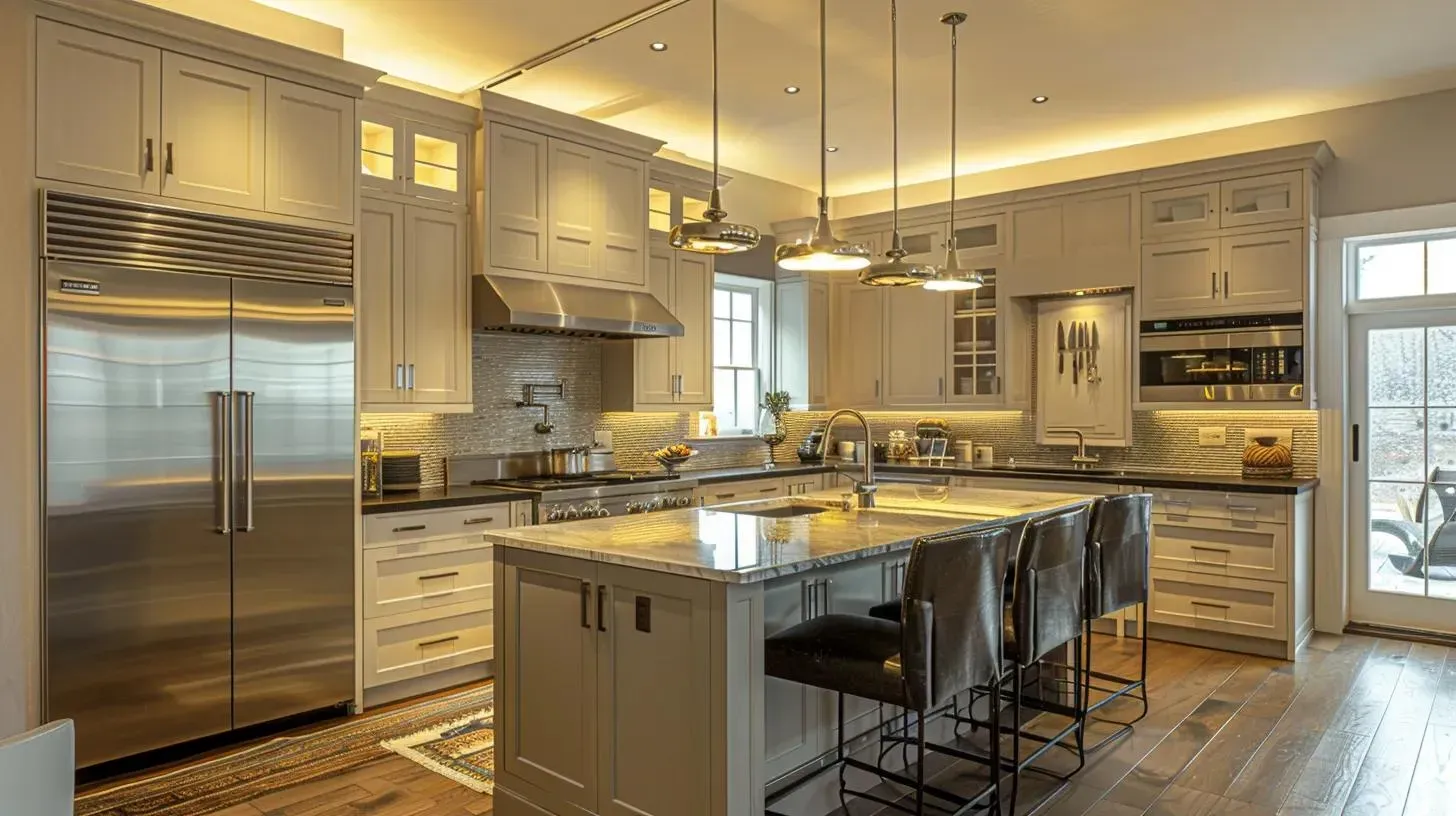
Drywall is the better canvas for recessed lighting, which is the cleanest way to brighten a low space without fixtures hanging down into it. Paint flexibility is a bonus: you can match it to the walls or go bright white to bounce light around.
The tradeoff is access. When something above the ceiling needs attention, you cut, repair, and repaint. Labor is a bit higher than a drop ceiling because of the finishing and the lighting work involved. None of that is a dealbreaker, but it is the reason the next two sections matter so much.
The height factor
Before anything else, measure. Habitable basement space generally needs a minimum finished ceiling height of around seven feet, with some allowances for beams, ducts, and similar obstructions at specific points. Because Colorado jurisdictions adopt their own code editions, confirm the exact requirement with your local building department.
This is where the ceiling choice can be forced for you. If your joists sit low, a drop ceiling may pull the finished height below the minimum, which takes it off the table for a habitable room. In tight basements, drywall is often the only way to keep enough headroom to finish the space at all. Measure from the bottom of the joists to the floor, then subtract for your finished floor assembly, and you will know quickly which options are realistic.
Access to what is above
The honest question is: what is hiding up there? Basements often conceal main water shutoffs, sewer cleanouts, electrical junction boxes, and HVAC dampers. If any of those need to stay reachable, a fully drywalled ceiling can make routine maintenance a headache.
This is solvable without surrendering the look. Recessed access panels can be set into a drywall ceiling at the few spots that matter, giving you clean lines almost everywhere and easy reach where you need it. Identifying those points before drywall goes up is part of good pre-finish planning.
The hybrid approach most homeowners actually want
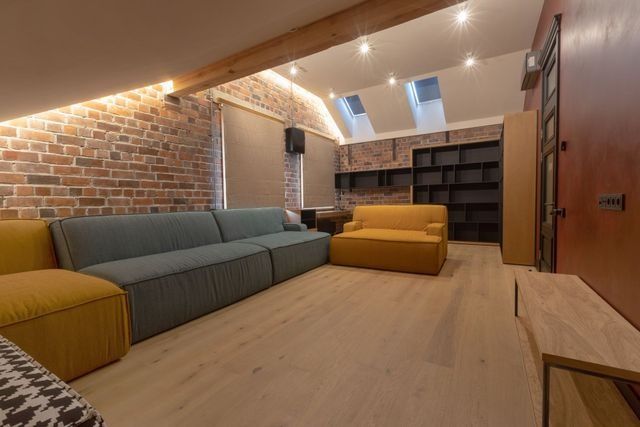
For a lot of Denver metro basements, the best answer is not strictly one or the other. The common move is a drywall ceiling across most of the space for that clean, full-home look, with access panels at the shutoffs and cleanouts, and soffits or bulkheads built down to hide ductwork and beams that cannot be raised.
That soffit and access work is standard carpentry and drywall work, and it lets you keep the height and the look where it counts while staying practical where it counts. Plan the lighting at the same time, since recessed cans and any electrical changes are far easier to set before the ceiling is closed.
Quick decision checklist
- Headroom is tight? Lean drywall to preserve height.
- Critical shutoffs and cleanouts overhead? Drop ceiling, or drywall with access panels.
- Want the most finished, modern look? Drywall, ideally with recessed lighting.
- Worried about future water or repairs? Drop ceiling makes fixes painless.
- Want both? Hybrid: drywall plus targeted access panels and soffits.
A couple of red flags to avoid: do not pick a drop ceiling without measuring finished height first, and do not fully bury a main shutoff or cleanout behind drywall with no access. Both are easy to get right when they are planned, and expensive to fix when they are not.
Conclusion
There is no universally correct basement ceiling, only the right one for your height, your mechanicals, and the look you want. Measure first, find out what is above the joists, and decide where access actually matters. For most homeowners, a drywall ceiling with a few smart access panels delivers the finished look without painting yourself into a corner.
Trustwork plans ceiling height, lighting, access, and finish as one coordinated scope across the Denver metro , with transparent pricing, no markup on materials, and warranty-backed work. Get an estimate and send a few photos of your basement and we will help you choose. More in this series: checking for moisture before you finish and basement egress window requirements in Colorado.