How to Plan a Finished Basement Layout Before Demo Starts
Most basement finishing projects start with the wrong question. Homeowners pick flooring samples or paint colors before they've mapped the mechanicals, checked the egress requirements, or decided how they actually want to use the space. Getting those basics settled first saves significant rework later.
This guide walks through how to plan a basement layout before a single wall goes up — in the order decisions actually need to happen.
Start with what you can't move
Before you sketch a single room on paper, walk the basement and locate every fixed element. These are the things layout has to work around, not through.
Mechanicals: HVAC ducts, water heater, furnace, electrical panel, and any floor drains. In most Denver metro homes built before 2000, the furnace and water heater sit in a utility corner with no obvious path to a better location. They stay where they are. Your layout needs to create a utility room or alcove that gives service access — a minimum of 30 inches of clearance in front of appliances is a common starting point, though your municipality may specify more.
Load-bearing posts or columns: Steel columns supporting a beam are structural. They cannot be removed without engineering review and a permit. You can box them in, make them decorative, or position walls to hide them — but they're staying.
Floor drains: Most Colorado basements have at least one floor drain near the utility equipment. Finishing over a drain without capping it correctly is a code issue. If the drain will be inside a finished room, plan for it in the flooring layout.
Sump pit (if present): Colorado's Front Range soil is expansive clay. Many homes in Lafayette, Louisville, Erie, and Broomfield have sump systems. The pit needs to stay accessible. Plan for it in a utility room or mechanical closet.
Confirm your egress situation before designing bedrooms
If you want a bedroom in the finished basement — or a room that will function as one — Colorado's R310 egress requirement applies. The opening needs to meet a minimum net clear area, minimum height, and maximum sill height above the floor. Window wells may need a minimum interior dimension and ladder access depending on depth.
Egress windows that don't currently exist have to be cut through the foundation wall, which involves structural work, a permit, and coordination with your contractor. The cost and timeline depend on the wall material (poured concrete vs block), the size of the opening, and soil conditions at the well location.
The practical point for layout planning: don't position a bedroom in a location that has no viable exterior wall for an egress window. If the only exterior walls face a tight side yard or run along the property line, confirm the egress installation is feasible before committing to that room placement.
More detail on Colorado egress requirements is in the egress window requirements post on this site.
Sketch three different uses before committing
Once you've mapped the fixed elements, sketch the space in three different configurations based on how it could realistically be used:
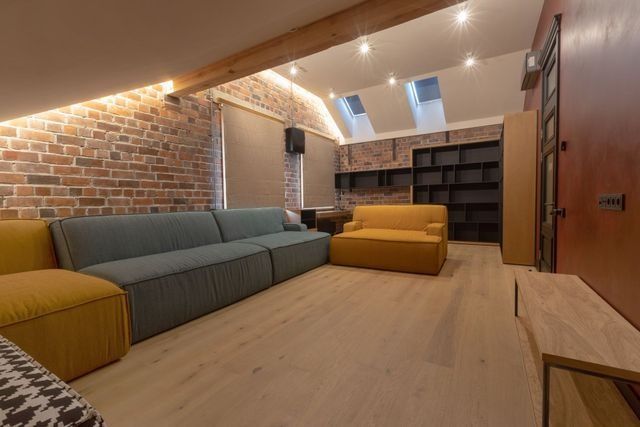
Option A: Single large multipurpose room. One open space that handles media, guests, and kids' activities without hard dividers. Works well in basements under 800 square feet where a single purpose isn't clear yet. Simpler to build, easier to reconfigure later.
Option B: Two rooms with a common area. A defined bedroom or home office separated from a living or rec area. Requires egress in the bedroom and more framing, but gives the finished space more flexibility for resale and daily use.
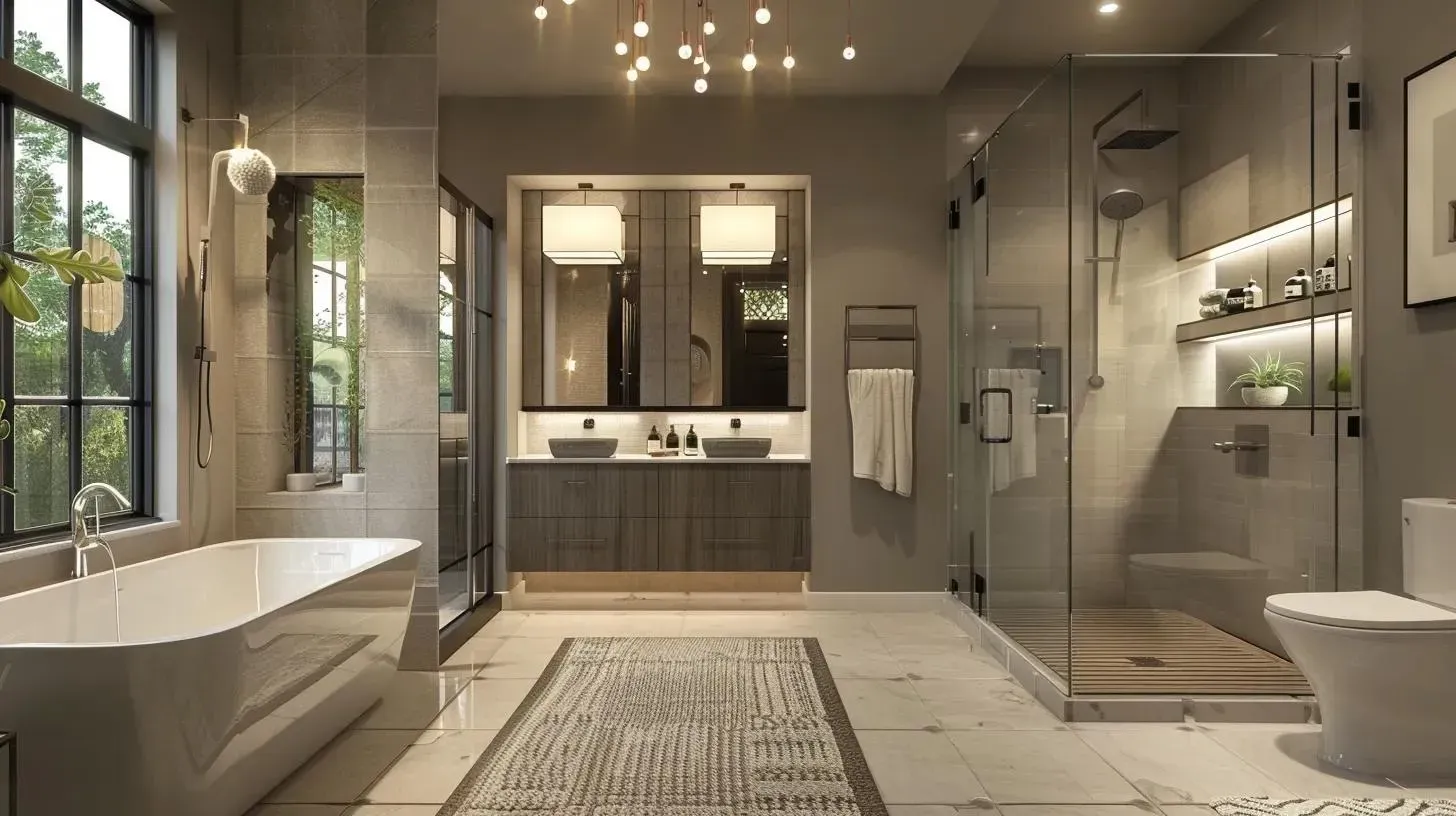
Option C: Full buildout with dedicated spaces. Bedroom, bathroom, storage room, and living area. Higher cost and more complex permitting, but adds the most livable square footage and the most resale value.
Most homeowners find the right answer is closer to Option B once they work through the mechanical constraints.
Account for ceiling height early
Colorado basements vary significantly in ceiling height, especially in homes built before the mid-1990s. Rough ceiling height is not finished ceiling height. Subtract for the floor system above (typically 10–12 inches for joists and subfloor), then for your finished ceiling treatment.
If you plan on drywall ceiling, subtract another inch or two for the ceiling itself. If you're considering drop panels, the grid typically sits 3–4 inches below the joists. A finished basement with 7-foot ceilings feels comfortable for most uses. Under 7 feet starts to feel low, especially with recessed lighting. If your rough ceiling height is tight, drop ceiling vs drywall is worth reading before you commit to a treatment.
Plan plumbing before framing starts
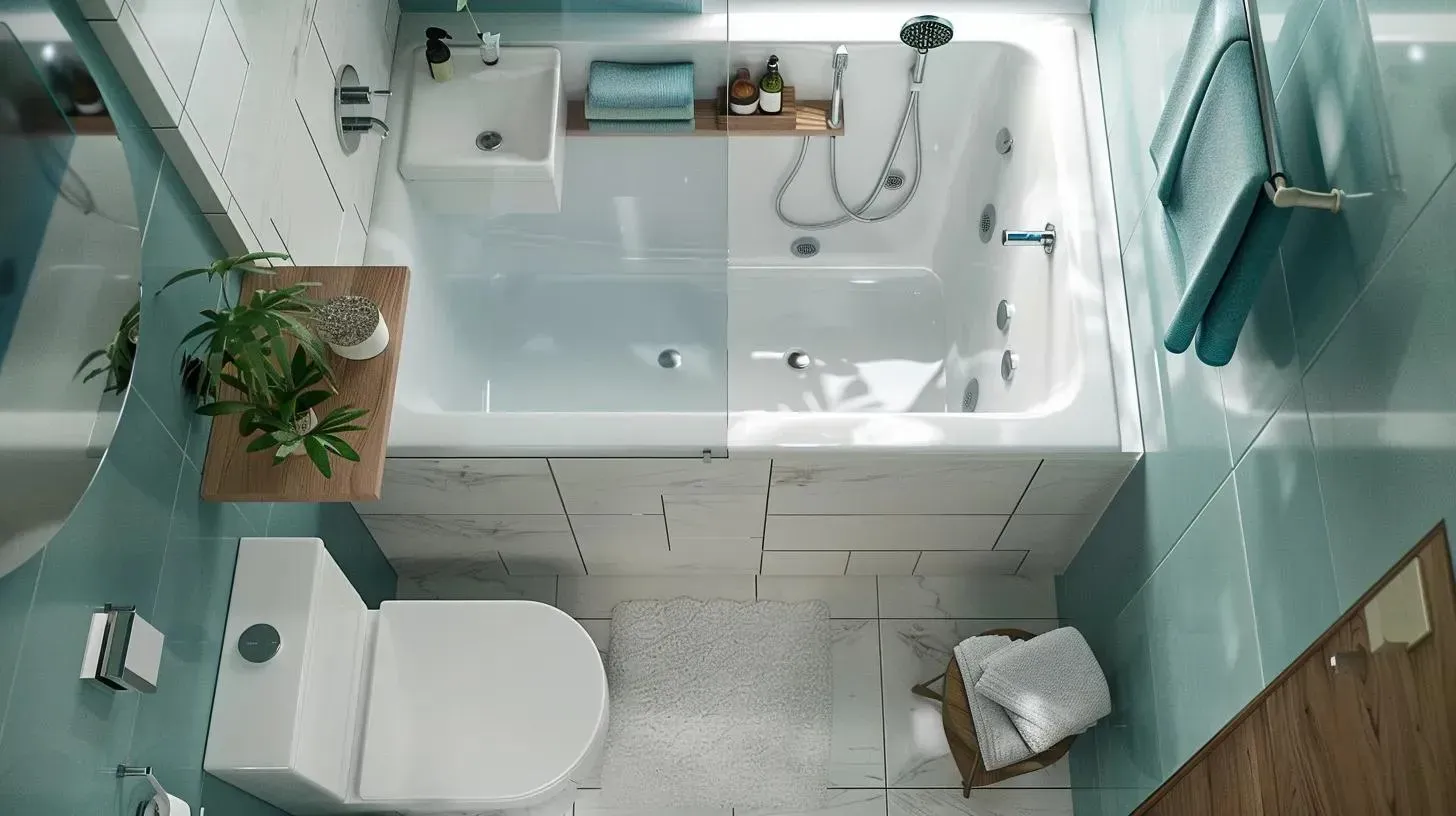
Adding a bathroom, wet bar, or laundry sink in the basement requires a drain line that either ties into the existing floor drain system or connects to the main stack. In a basement that sits below the sewer line elevation, that means a sewage ejector — which is a real mechanical system that needs space, access, and maintenance.
If plumbing is part of the plan, have a licensed plumber assess the existing rough-in and the ejector situation before framing starts. Moving a drain after walls are up means cutting concrete — which is doable but adds cost and disruption. The basement finishing cost guide on this site covers how bathroom additions affect the overall budget.
Think about storage from the start
Finished basements lose storage space by definition — rooms replace open floor area. Before finalizing the layout, inventory what the basement currently stores and where it will go after finishing. Common solutions that don't require sacrificing finished square footage:
- A dedicated storage room or oversized utility room built to double as storage
- Built-in shelving in the utility alcove around mechanicals
- Under-stair storage (often the most underused square footage in any basement)
- A smaller mechanical closet that leaves more open floor for shelving in an adjacent space
Storage planned at layout stage costs almost nothing. Storage added after drywall is up costs considerably more.
Get a moisture assessment before you design anything permanent
If you haven't already confirmed the basement is dry under all conditions, that check happens before layout planning, not after. A visible efflorescence stain on the foundation wall, a musty smell that appears seasonally, or any prior history of seepage means moisture testing first. Waterproofing a basement before finishing covers the warning signs and the testing options in detail.
What to bring to a contractor conversation
Once you've worked through the above, bring these to your first contractor meeting: a rough sketch showing fixed mechanical locations and the egress wall(s), a list of the rooms or uses you want and which are non-negotiable, a note on any known moisture or structural issues, and a general sense of your finish level. A good contractor will tell you if the layout is buildable as sketched, flag anything that needs a permit, and give you a realistic sense of cost before you commit to drawings. If you're ready to start that conversation, the estimate page on this site is the place to start.