Basement Finishing Cost in the Denver Metro: Realistic Ranges and What Drives the Price
Basement finishing is one of the highest-value remodels you can do on a Front Range home, but it is also one of the easiest to misjudge by cost. A 900-square-foot basement and a 900-square-foot basement are not the same project. The price difference between them usually comes down to a handful of decisions made in the planning phase, not the finishes you pick at the end.
This guide stays focused on what actually drives basement finishing cost in the Denver metro: scope, layout, egress, bathroom additions, ceiling type, and the conditions of the basement before work begins. If you want to see how we approach the planning side, start with our basement finishing page here.
What does basement finishing usually cost in the Denver metro?
Cost ranges are wide because basements vary in size, condition, and finish level. A clean refresh of an already-finished space is a different project than building out a full living area, a bedroom, and a bathroom from bare concrete and framing. Per-square-foot thinking is useful for early sanity-checking, but it gets misleading fast once a bathroom, egress window, or new electrical scope enters the picture.
Use this table to anchor expectations by scope tier.
| Scope tier | What it usually includes | Biggest cost driver | Relative price |
|---|---|---|---|
| Basement refresh | Paint, flooring, lighting upgrades, minor drywall repair, trim touch-ups | Flooring square footage and lighting scope | Lower end of the range |
| Partial finish | One open living area, basic lighting, flooring, trim, no bathroom | Drywall, ceiling type, and egress (if not present) | Mid-range, depends heavily on existing conditions |
| Full finish, no bathroom | Multiple zones (living, office, guest area), full electrical scope, finished ceilings, trim, doors | Layout complexity and lighting plan | Significantly higher than a partial finish |
| Full finish with bathroom | Everything above plus a new bathroom (often with a shower) | Bathroom rough-in, waterproofing, tile, fixtures | Top of the typical range |
| Full finish with bath and new egress | Everything above plus cutting in a new egress window and well | Foundation cutting, window well, drainage tie-in | Highest, egress alone is a meaningful line item |
The honest answer is that any basement finishing quote should walk you through what is in the number and what is not. A clean scope is more useful than a tight per-square-foot estimate that hides assumptions.
Which decisions move the budget most?
A few categories tend to move basement finishing cost more than the rest. Decide on these early and the rest of the budget becomes easier to plan.
Egress. If you are adding a bedroom and your basement does not already have a compliant egress window, this is one of the larger line items. Cutting a new opening through the foundation, installing the window well, and tying into drainage is real work, and it is usually permit-triggered. We cover the code side of this in our basement egress window guide.
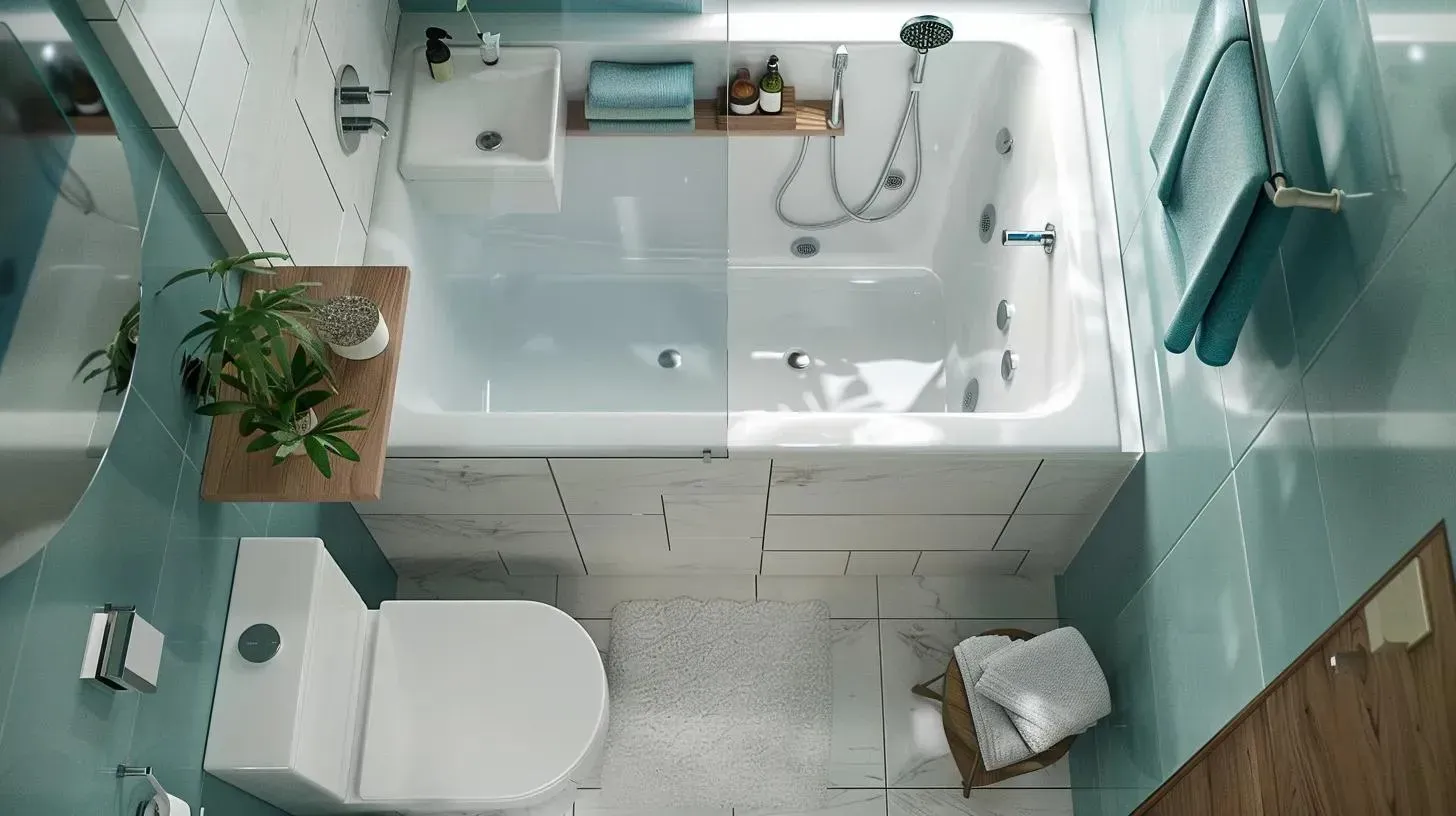
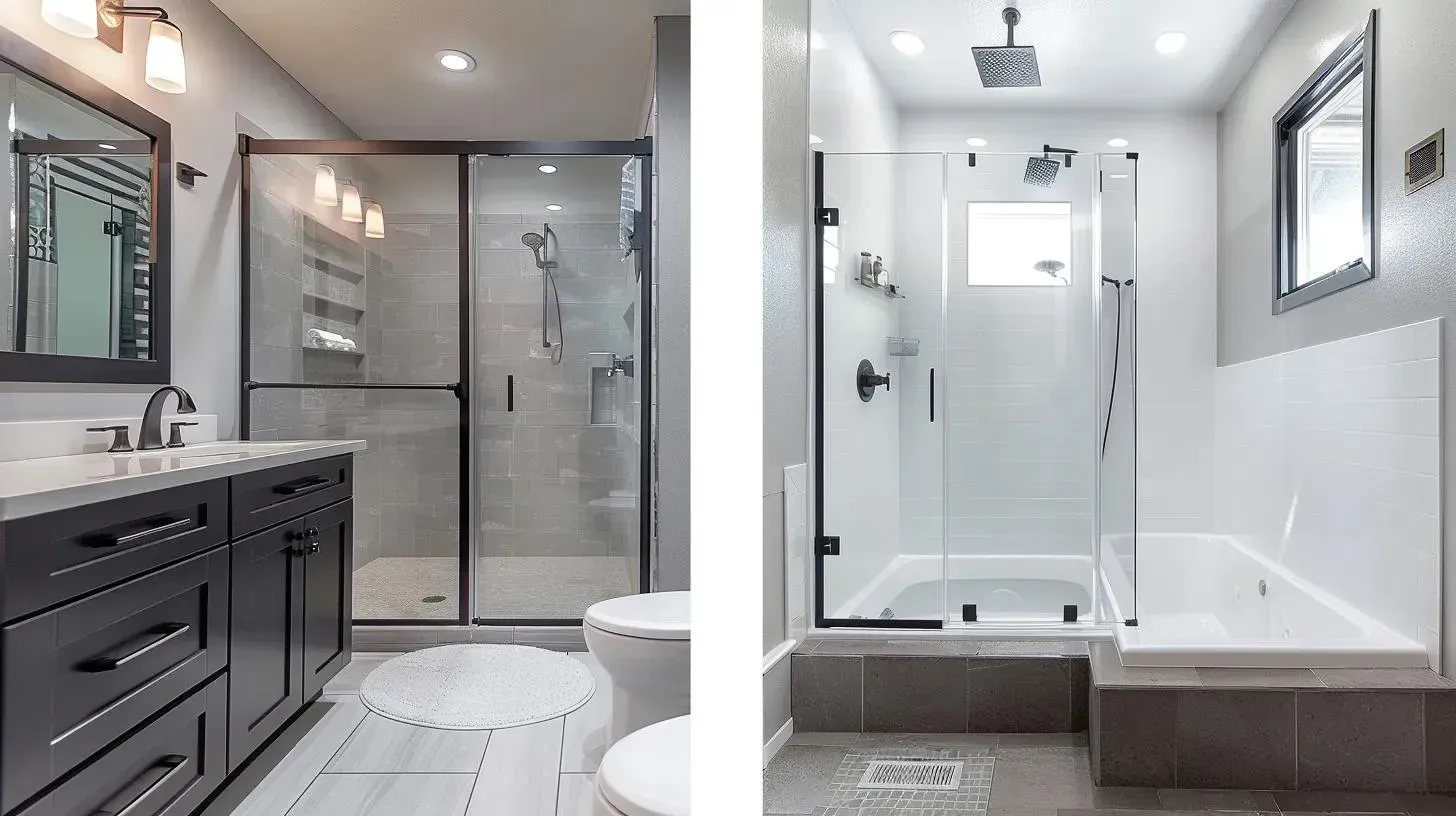
Bathroom add. A new basement bathroom is one of the most valuable upgrades you can make, and one of the costlier sub-projects inside a basement finish. Rough-in plumbing, waterproofing, tile, ventilation, and fixtures stack up quickly. If a rough-in already exists from when the house was built, costs are noticeably lower. The same cost drivers we cover in our Denver bathroom remodel cost article apply here.
Layout and zoning. An open living area is the simplest layout. Adding interior walls for an office, a guest bedroom, and storage drives drywall, doors, trim, lighting, and electrical scope upward. Smart zoning is worth the planning time because it shapes everything downstream.
Ceiling type. Drywall ceilings look more finished, but they cost more and reduce access to plumbing, electrical, and mechanical above. Drop ceilings are less expensive and friendlier to service access. The right choice depends on how much mechanical access you need and the look you are after.
Flooring choice. Luxury vinyl plank is the most common practical pick in Front Range basements because it tolerates humidity and slab transitions. Carpet is comfortable but less forgiving if moisture shows up later. Engineered hardwood is possible but more sensitive to slab conditions. Subfloor prep is often a hidden cost when the slab is uneven.
Electrical and lighting. Older basements tend to have minimal lighting and a few outlets. A finished basement usually needs a layered lighting plan, more circuits, sometimes a panel upgrade, and may need updates to smoke and carbon monoxide detection per code.

What is usually included in a basement finishing quote, and what is not?
This is the question that separates an apples-to-apples bid from a number you cannot use. A well-written basement finishing scope spells out what is included so you know whether two quotes are comparable.
A typical quote covers framing, insulation where applicable, drywall and finishing, paint, flooring, doors, trim, basic lighting and electrical, jobsite cleanup, and warranty terms. Things that are often not in a baseline number include egress windows, bathroom add-ons, custom built-ins, panel upgrades, radon mitigation systems, waterproofing or foundation repairs, HVAC modifications, and any code-triggered upgrades that show up once the inspector is involved.
If you are comparing two basement finishing estimates, ask each contractor to confirm in writing what is and is not included. The principle is the same one we cover in our no markup on materials article: clarity beats price as a decision metric.
A realistic budget framework
Once you know your scope tier, splitting the budget into rough categories helps you spot where pressure is going to come from before you sign. These are approximate buckets, not exact percentages, and they shift with scope.
- Framing, drywall, and finishing carpentry are usually the largest single category on a full finish.
- Electrical and lighting are mid-tier, but climb fast if your panel is older or if you want a more layered lighting plan.
- Flooring tends to be a meaningful but predictable line, especially with luxury vinyl plank.
- A bathroom can easily equal the cost of a small standalone bathroom remodel, so if you are adding one, budget it like a separate sub-project.
- Set aside a contingency. Basements regularly reveal something during demo or framing that was not visible in the original walkthrough. A planned contingency is the difference between a smooth project and a stressful one.
Mini-scenario: how the same square footage produces very different prices
Two homeowners in Lafayette have identical 1,000-square-foot basements, both unfinished. Owner A wants one large open living area, a small home office, and a finished flooring and lighting package. No bathroom. Existing egress is compliant.
Owner B wants a guest bedroom (so a new egress window is required), a full bathroom with a tile shower, and a finished entertainment area. The two projects share the same footprint, but the cost difference is significant because Owner B is taking on three sub-projects that Owner A is not: egress, bathroom, and additional electrical and plumbing rough-ins.
Same square footage. Different projects. The number that matters is the scope, not the dimensions.
Pre-quote checklist (copy/paste)
- What do you want the basement to become? List the zones in priority order.
- Is there an existing egress window? If you are adding a sleeping room, you will need one.
- Is there an existing bathroom rough-in, and if so, where?
- What is the current condition: unfinished, partially finished, or older finished space?
- Any current moisture, radon, or foundation concerns?
- What is the ceiling height, and are there bulkheads or low spots that affect layout?
- What is the condition of the electrical panel? Is there capacity for added circuits?
- Do you want a drywall ceiling, drop ceiling, or hybrid?
- What flooring direction are you leaning: vinyl plank, carpet, tile, or a mix?
- What is your honest comfortable budget, not your absolute ceiling?
The more of these you can answer before you ask for a quote, the more accurate the estimate will be. For visual context on finished basement work, you can browse our project gallery here.
Common mistakes and red flags
- Comparing per-square-foot numbers without checking what is included in each one
- Skipping waterproofing or moisture inspection before framing goes up
- Forgetting egress costs when adding a bedroom
- Underestimating bathroom add-ons as a small sub-project
- Choosing a ceiling type without thinking through mechanical access
- Picking flooring before understanding slab condition
- Treating contingency as optional; basements regularly reveal hidden conditions
- Skipping a written scope because the price seems straightforward
FAQ: basement finishing cost in the Denver metro
Is per-square-foot pricing useful for basements?
It is useful as a rough sanity check, not as a real number. The same basement square footage can produce very different prices depending on egress, bathroom, ceiling type, and existing conditions.
Does adding a bedroom always require an egress window?
If the room is intended for sleeping, yes, per the IRC code adopted across Front Range jurisdictions. We cover the details in our basement egress window article.
How much does adding a bathroom to a basement cost?
It varies, but it is closer to the cost of a small standalone bathroom remodel than a small add-on. Rough-in location and tile scope are the biggest drivers.
Should I waterproof before I finish?
If there is any history of moisture, yes. Finishing over a moisture problem is the most expensive mistake homeowners make in basements. We cover what to inspect in our basement moisture and waterproofing guide.
How do I know if I am getting a fair quote?
Look at scope clarity first, then price. A quote that lists inclusions, exclusions, assumptions, and warranty terms is more valuable than a low number with vague language.
Next step
A good basement finishing budget starts with scope, not square footage. Settle the zones, decide whether you are adding egress or a bathroom, and check the basement for moisture and code issues before you ask for a quote. The clearer the scope, the more accurate the estimate.
You can review our basement finishing process here. When you are ready to share photos and goals, request an estimate here.