Tub-to-Shower Conversion: When It Makes Sense and What to Plan First
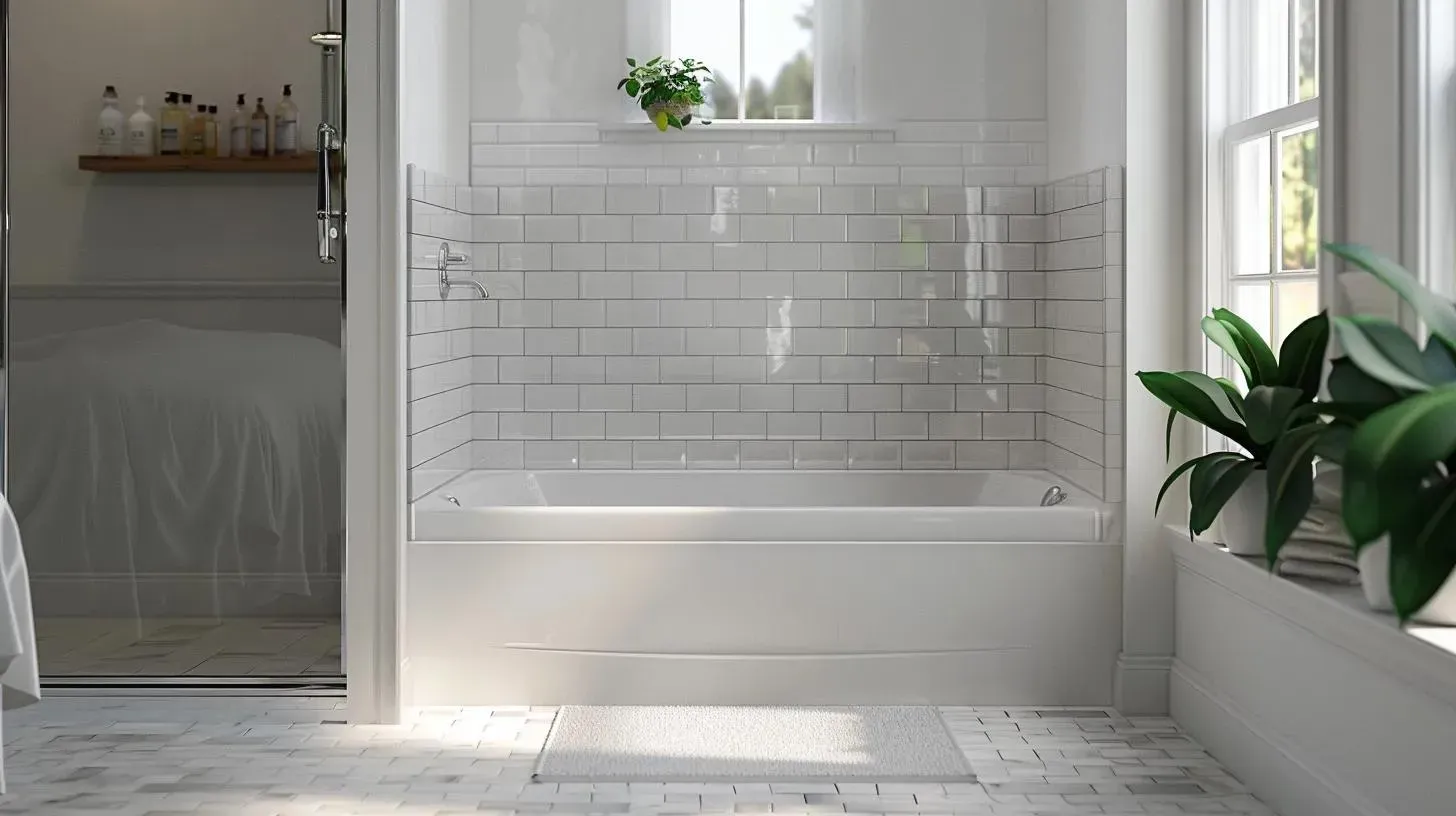
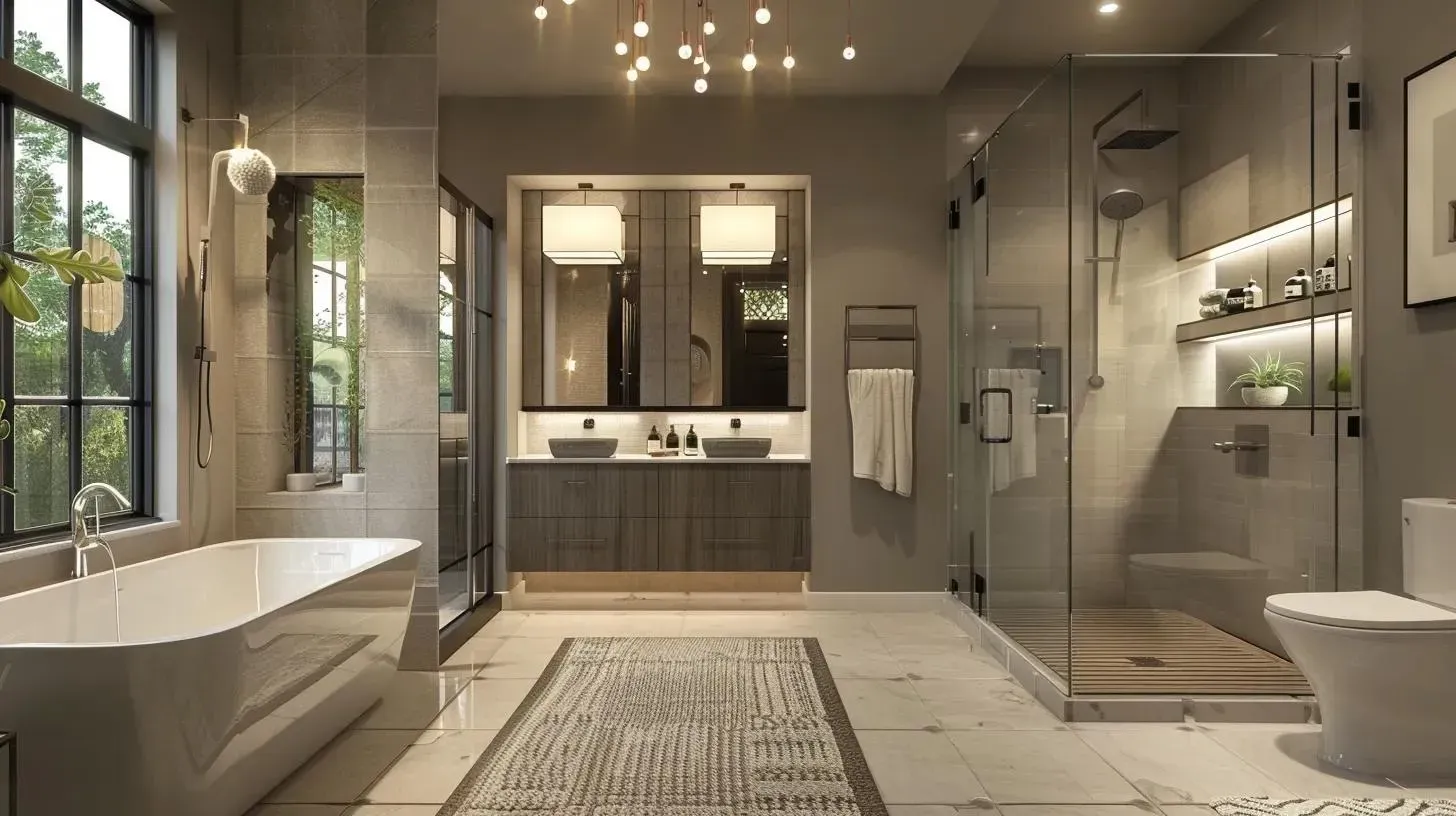
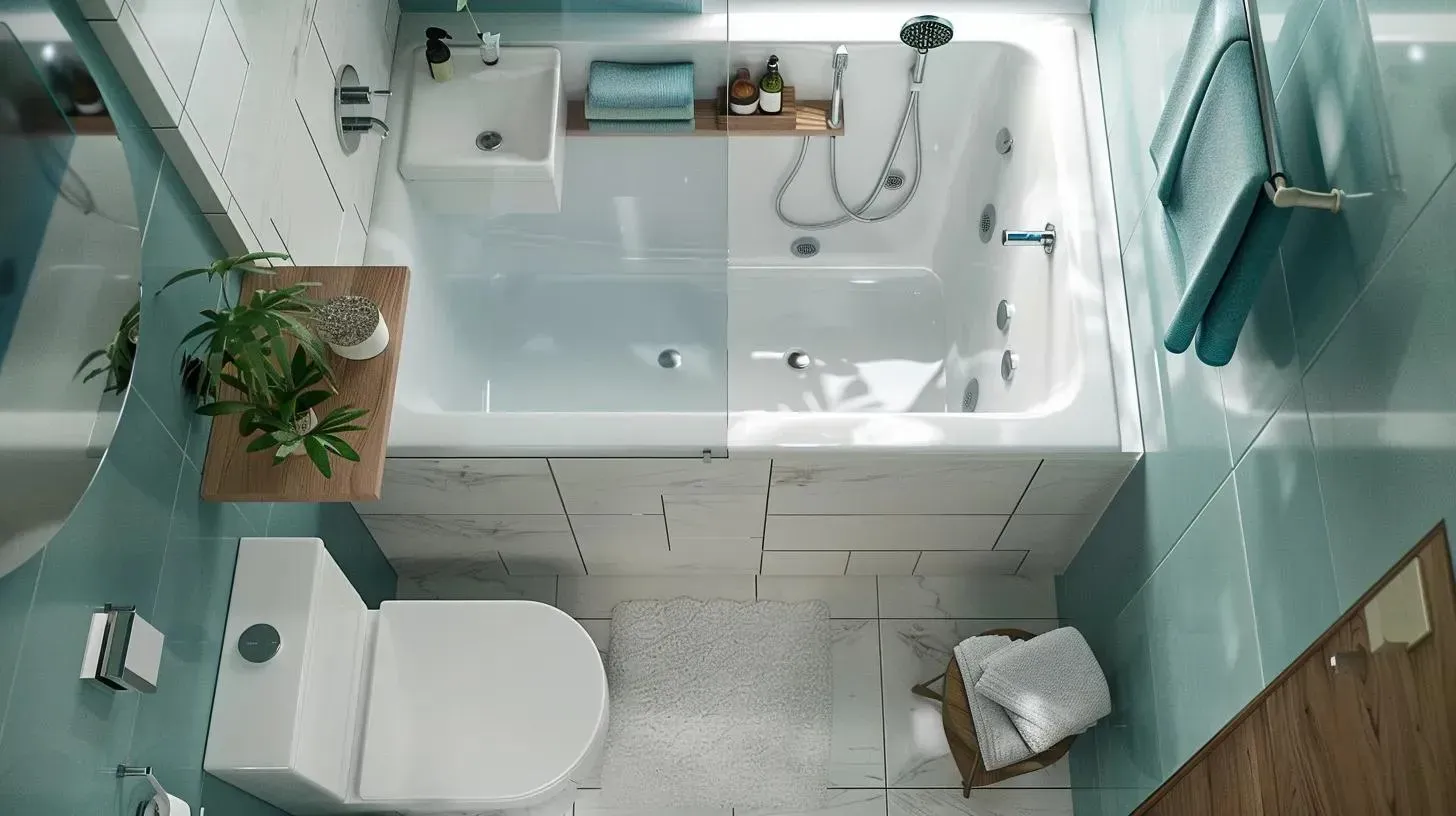
A tub-to-shower conversion can be a smart bathroom upgrade when the bathtub is rarely used, the step-over wall has become annoying or unsafe, or the room would work better as a shower-first space. The best results usually come from planning the conversion before demolition starts, because the real decisions are not just about style—they are about layout, drainage, waterproofing, and how the bathroom needs to function after the tub is gone.
This guide focuses on when a tub-to-shower conversion is the right move and what to confirm first so the finished shower works well day to day. You can review our bathroom remodeling approach here.
When does a tub-to-shower conversion make sense?
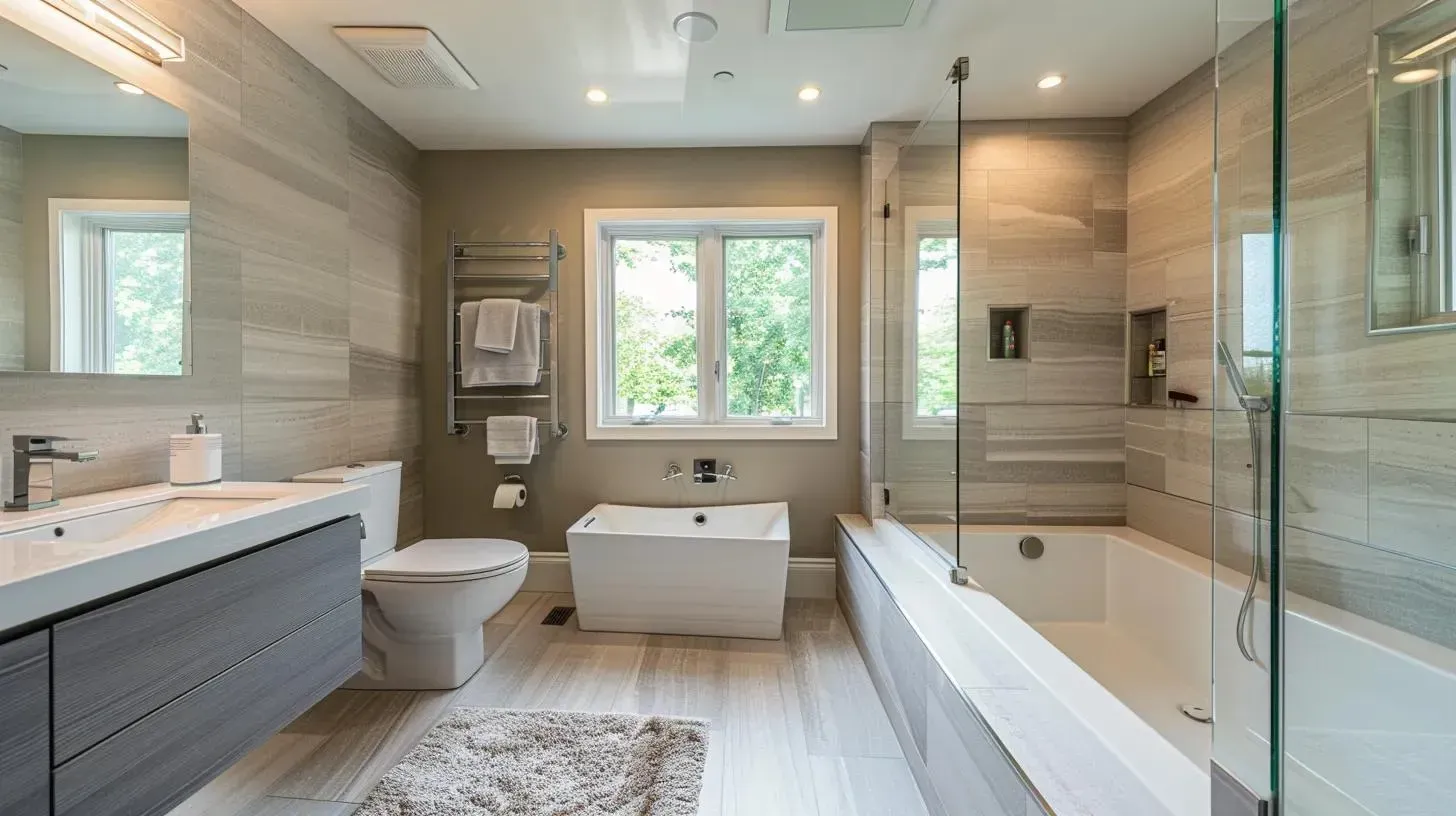
A tub-to-shower conversion makes the most sense when the bathtub is no longer solving a real need and the bathroom would be easier to use as a shower-first room. That usually happens in primary bathrooms, adult-only households, aging-in-place plans, and smaller bathrooms where a more open layout would improve daily comfort.
It is usually a stronger fit when there is already another practical bathtub somewhere else in the home. That does not mean every house must keep every tub, but it is worth pausing before removing the only one.
A conversion is often a good idea when one or more of these are true:
- The tub is rarely used for bathing.
- The step-over tub wall feels awkward, tiring, or unsafe.
- The room would benefit from easier entry and more open floor feel.
- A shower bench, handheld sprayer, or future grab bars would make the room work better.
- The existing tub surround is dated or moisture-prone and needs a deeper wet-area rebuild anyway.
Mini-scenario #1: A couple uses the hall bath’s tub for visiting grandchildren, but their primary bathroom tub is never used. In that situation, converting the primary tub to a shower often makes sense because the home keeps one tub while the everyday bathroom becomes easier and more comfortable to use.
What should you measure and confirm before the tub comes out?
The first step is confirming whether the new shower can fit the room cleanly without creating drainage, splash, or clearance problems. Most conversion regrets start when homeowners focus on the showerhead and tile before checking the footprint, drain location, ventilation, and condition of the surrounding surfaces.
Use this decision table before you finalize the plan:
| What to check first | Why it matters | What usually makes the conversion simpler | What can complicate it |
|---|---|---|---|
| Existing alcove size and clearances | The finished shower still has to feel usable, not just technically fit | A standard tub alcove with enough standing room and door clearance | Tight rooms, awkward door swings, or vanity/toilet conflicts |
| Drain and plumbing location | The drain and valve setup strongly affect scope and sequencing | Keeping the drain close to the new shower layout | Moving the drain, reworking supply lines, or changing valve placement |
| Wall and subfloor condition | Moisture damage changes the plan fast once the tub is removed | Dry, solid framing and floor around the tub area | Rot, soft subfloor, patchwork repairs, or out-of-square walls |
| Window, niche, and splash zone | Water control matters more once the tub surround becomes a full shower | A clean wall layout with logical storage and protected openings | Windows inside splash zones or poorly planned niche placement |
| Exhaust fan and moisture control | A shower-first room needs reliable moisture management | Existing fan works well and room dries out normally | Weak ventilation, chronic condensation, or mildew history |
| Whether this is the only tub in the home | This affects long-term flexibility more than the conversion itself | Another usable tub already exists elsewhere | The house would lose its only bathtub |
Sweeten’s conversion guide is right to emphasize the same early planning points: shower size, window location, lighting, exhaust, and plumbing condition all need to be worked out before ordering materials.
What changes behind the wall and floor during a tub-to-shower conversion?
More changes happen behind the scenes than most homeowners expect. Once the tub is removed, the conversion usually involves checking the framing, subfloor, drain setup, water supply, valve location, and the waterproofing approach that will protect the new shower long-term.
If the new shower stays close to the existing tub footprint and the drain can stay in a compatible location, the conversion tends to stay cleaner and faster. When the drain has to move, the floor slope changes, or the plumbing wall needs a new valve layout, the project becomes more involved. That drain and pipe location issue shows up repeatedly in conversion guides because it is one of the biggest planning pivots in this type of remodel. See-Guide Tub Shower Conversions.
This is also the stage where existing damage gets discovered. A tub that leaked slowly for years can hide soft flooring, framing repairs, or patchwork waterproofing that never should have been trusted in the first place.
In Denver, like-for-like replacement of existing plumbing and electrical fixtures can be permit-exempt, but once a conversion goes beyond that simple replacement scope, permit needs can change. It is better to verify that before demo than after the room is open.
If the conversion includes drain, valve, or fixture changes, our plumbing page gives you a practical sense of the plumbing work that can affect scope.
Which shower setup fits your bathroom best after the tub is gone?
The best shower setup is the one that fits the room, the maintenance tolerance of the household, and the level of finish you want to live with for years. There is no single “best” system for every conversion.
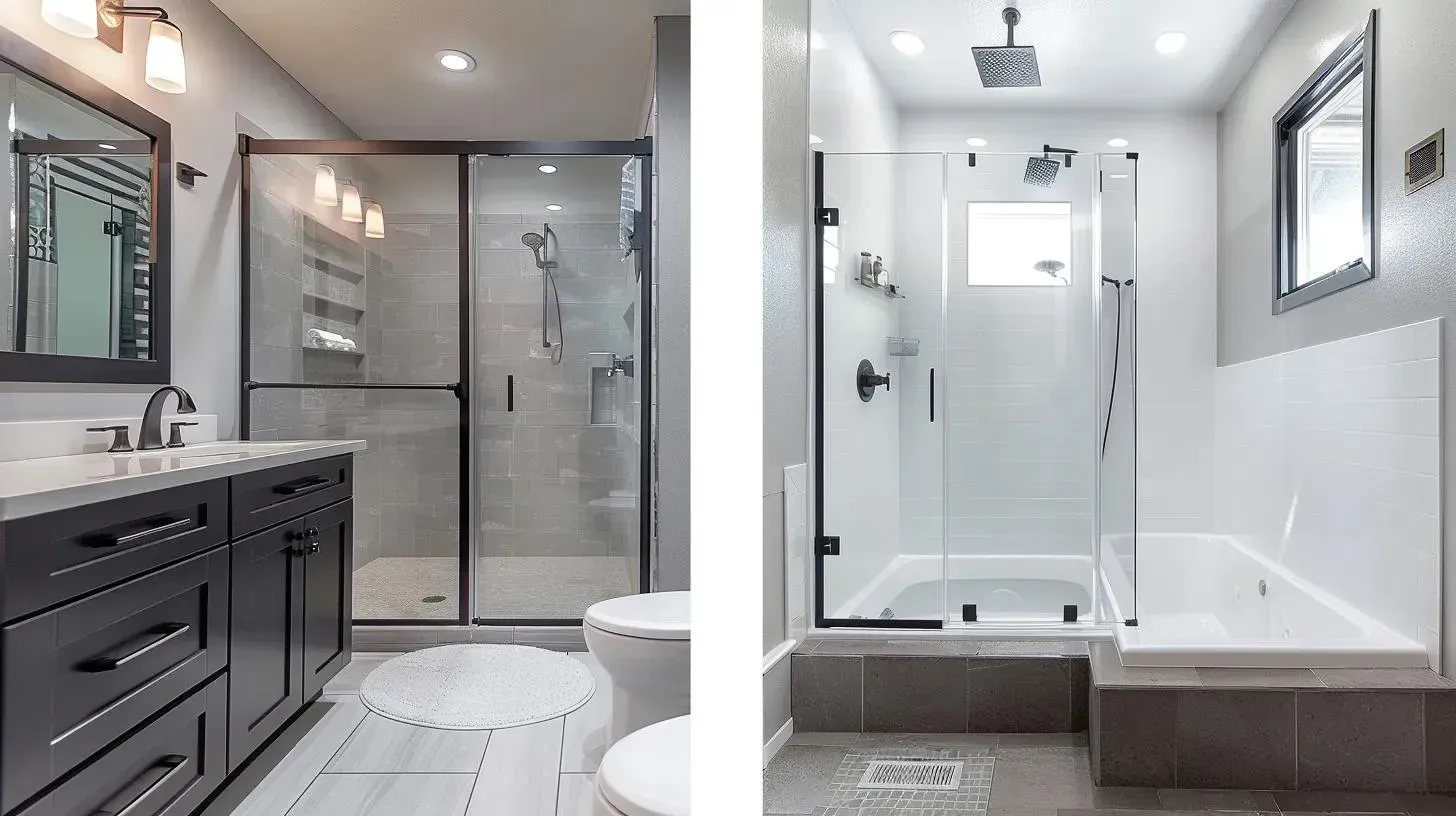
A prefabricated or panel-based shower system usually works well when speed, easier cleaning, and fewer grout lines matter most. A shower base with tiled walls often gives a good middle ground: a more controlled floor setup with more design flexibility on the walls. A fully tiled shower gives the most customization, but it also puts more pressure on correct prep, waterproofing, layout, and finish detailing.
A low-threshold entry is often easier to use than a traditional high tub wall, even if the shower is not fully curbless. Curbless designs can be excellent, but they need the room, floor structure, and water-control planning to support them cleanly.
Mini-scenario #2: A homeowner wants a curbless shower simply because it looks modern, but the bathroom is tight and the door swing already limits usable floor area. A low-threshold shower with better splash control and cleaner clearances can be the better conversion even if it is less dramatic on paper.
If tile layout, wall finish, or niche placement are part of the decision, our tiling page shows how we approach shower walls, edges, grout, and finish details.
How do you make the new shower safer and easier to use?
A safer shower is not just a shower without a tub wall. The details that matter most are entry, footing, reach, support, and how comfortably someone can use the space on a normal day or a difficult day.
AARP’s bathroom aging-in-place guidance highlights features like a low-threshold walk-in shower, a handheld sprayer, a built-in bench, and wall blocking for future grab bars because those decisions make the room more adaptable over time.
CDC guidance on bathroom injuries also points to the tub and shower area as a frequent injury location and notes that non-slip strips and grab bars inside and outside the tub or shower may help reduce falls.
Tub-to-shower conversion planning checklist
- Decide whether the home should still keep at least one tub elsewhere.
- Confirm the finished shower footprint before choosing doors, glass, or niches.
- Check whether the drain can stay close to its current location.
- Plan the waterproofing system before you plan the tile pattern.
- Think through daily use: step-in height, handheld spray, bench, reach, and storage.
- Add blocking for future grab bars even if you do not need them right now.
- Choose a floor surface and texture that feel secure when wet.
- Make sure the exhaust fan and moisture control are good enough for a shower-first room.
- Keep glass, splash control, and door swing aligned with the size of the room.
If you want help turning the conversion idea into a clear shower plan that fits your layout and daily routine, start with our bathroom remodeling page.
What mistakes cause the most regret in tub-to-shower conversions?
The most common mistakes are planning the visible shower before planning the parts that keep it functional. A beautiful shower still fails if the drain, waterproofing, ventilation, and clearances were treated like secondary details.
Common mistakes and red flags:
- Removing the tub before confirming that the new shower footprint will actually work.
- Treating drain relocation like a small detail instead of a major planning decision.
- Over-designing the shower wall while under-planning waterproofing and splash control.
- Ignoring weak ventilation in a bathroom that is already prone to condensation or mildew.
- Choosing slippery floor surfaces or skipping support planning because grab bars are “for later.”
- Removing the only tub in the house without pausing to think about long-term flexibility.
- Assuming all tub-to-shower conversions are quick swaps when existing damage may change the scope.
FAQ: tub-to-shower conversion
Can any bathtub be converted into a shower?
Many can, but not every bathroom converts equally well. The room still needs a usable shower footprint, workable drain conditions, and a wet-area plan that handles waterproofing and splash control properly.
Do you always have to move the drain?
No. Some conversions work well with the drain staying close to its existing location, which usually keeps the project simpler. When the drain has to move, the conversion often becomes more involved.
Is a tub-to-shower conversion always a fast project?
Not always. A clean conversion can move quickly when the layout is stable and the tub area is in good condition, but hidden damage, tile detail, plumbing changes, and glass coordination can all add time.
Is a low-threshold shower enough, or do you need a curbless shower?
A low-threshold shower is enough for many homes and often fits more rooms cleanly. A curbless shower can be excellent, but it only works well when the floor structure, drainage plan, and splash control support it.
Next step
If you are considering a tub-to-shower conversion, the smartest next move is to confirm fit, drainage, waterproofing, and daily-use details before you choose finishes. You can start with our bathroom remodeling overview here.
When you are ready to share photos and goals for a more exact scope conversation, request an estimate here.