Bathroom Remodel Timeline by Phase: How Long Each Step Usually Takes
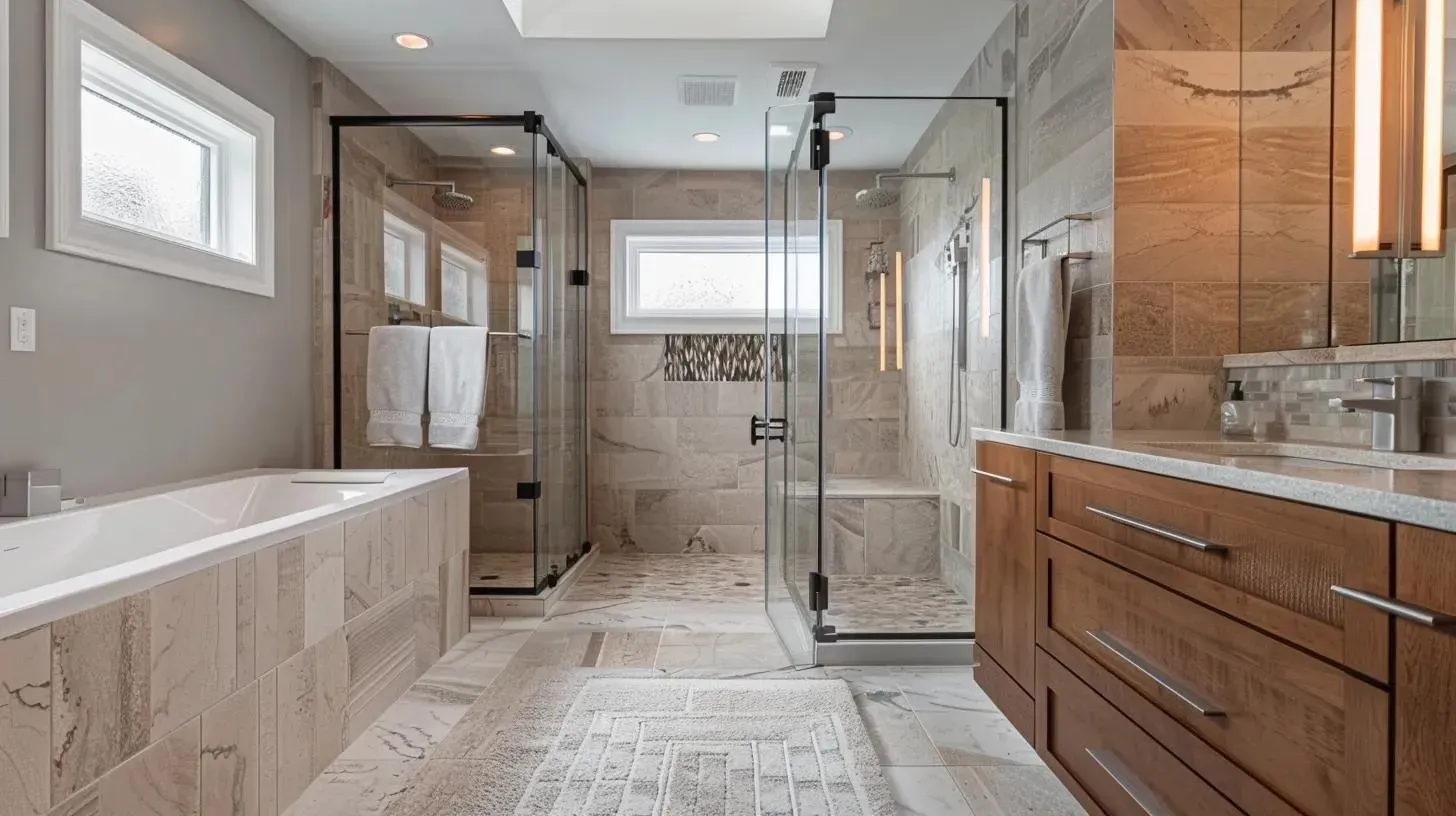
A bathroom remodel timeline is easier to plan when you break it into phases instead of chasing one “average” number. This guide explains what usually happens before demolition, how long the construction stages often take, and which bottlenecks add days or weeks to the schedule. It stays focused on sequencing and timing so you can plan daily life around the disruption without turning this into a cost or contractor-comparison page.
If you’re planning a bathroom remodel in the Denver metro and want a project-managed process that keeps scope, selections, and sequencing aligned, start here.
What is a realistic start-to-finish timeline for a bathroom remodel?
Most full bathroom remodels take about six weeks to three months from planning to final walkthrough, while active on-site construction often lands closer to two to five weeks for a standard full renovation. Simpler updates move faster, and bathrooms with layout changes, custom tile, or permit-heavy work usually take longer.
The easiest way to set expectations is to separate lead time before demo from the days when the room is actively under construction.
| Project scope | Typical on-site construction time | Typical lead time before demo | What usually drives the timeline |
|---|---|---|---|
| Cosmetic refresh | 3–7 days | 1–2 weeks | Simple selections, limited trade coordination, minimal demolition |
| Standard full bath with same layout | 2–4 weeks | 2–4 weeks | Fixture selections, demo, rough-ins, tile, and finish sequencing |
| Full bath with custom tile or wet-area rebuild | 3–5 weeks | 2–6 weeks | Waterproofing, tile detail, drying time, and glass coordination |
| Primary bath or layout-change remodel | 4–8+ weeks | 3–8+ weeks | Plumbing/electrical moves, permits, inspections, custom materials, and more finish detail |
A practical rule is that stable layouts protect the schedule, while relocated fixtures and custom wet-area work extend it.
What happens before demolition starts, and why does this phase matter?
The pre-construction phase matters because it is where most schedule problems are either prevented or created. If the layout, vanity size, tile direction, plumbing decisions, lighting plan, and material orders are still in flux when demo starts, the rest of the calendar gets harder to protect.
Before demolition, the goal is to freeze the decisions that affect dimensions and sequencing. That usually means confirming whether the layout stays the same, finalizing the vanity and fixture direction, choosing the shower or tub plan, ordering tile and long-lead items, and confirming whether permits or inspections apply.
Mini-scenario #1: A homeowner keeps the vanity, toilet, and tub in the same basic positions, chooses materials early, and has everything on site before demo. The project moves faster because the crew is not waiting on tile choices, revised plumbing locations, or surprise rescheduling.
If you want a process that connects scope, selections, and sequencing before demo begins, our bathroom remodeling page shows how we plan bathroom projects in the Denver metro.
How long does each construction phase usually take?
Most bathroom schedules stretch or shrink based on a handful of construction phases that have to happen in the right order. The room may look small, but bathrooms are sequencing-heavy because waterproofing, tile work, plumbing, electrical, and finish installation all depend on each other.
A standard phase-by-phase sequence often looks like this:
- Site protection and demolition — 1–2 days
Remove existing finishes and fixtures, protect adjacent floors and pathways, and expose what is behind the walls and under the floor. - Framing, subfloor, and repair work — 1–3 days
Correct any rot, soften floor problems, blocking needs, or framing adjustments before the room is closed back up. - Plumbing, electrical, and ventilation rough-ins — 2–5 days
This phase takes longer when valves move, lighting changes, outlets are added, or the exhaust setup is upgraded. - Inspection or approval windows when required — 1+ days plus calendar wait
Even quick inspections can add time if the schedule is already full or the project cannot move to the next phase immediately. - Backer board, waterproofing, and shower prep — 2–4 days
This is one of the phases that should not be rushed. Prep layers, waterproofing systems, and drying time all matter to long-term performance. - Tile and wall or floor finishes — 3–7+ days
The range depends heavily on tile size, pattern, niches, trim pieces, grout, and cure time. - Paint, vanity, toilet, lighting, and trim — 1–3 days
Once the messy work is behind you, the room starts looking finished quickly. - Glass, accessories, punch list, and final walkthrough — 2–5 days
Custom glass often follows tile measurements rather than arriving on day one, which is why this final stage sometimes lingers a little longer than homeowners expect.
If your project includes shower walls, floor tile, niches, or other detailed finish work, our tiling page shows the kinds of tile installations that often affect the middle and late phases of a bathroom remodel.
When is the bathroom actually out of service?
In a full bathroom remodel, expect the room to be partially or fully out of service for much of the construction window. Once demolition starts and fixtures come out, usable function usually returns in stages rather than all at once.
The toilet may come back before the shower does. The vanity and sink may be functional before mirrors, trim, and accessories are complete. The shower or tub usually returns later because waterproofing, tile, grout, and fixture installation all have to be finished in order.
A helpful way to think about it is by functional milestones:
- The first day a toilet is usable again
- The first day the sink and vanity are back in service
- The first day the shower or tub can actually be used
Mini-scenario #2: A household with only one bathroom plans a temporary setup before demo. The toilet returns partway through the job, but shower access does not come back until the wet-area work, grout, and final fixture installation are complete. Because the household planned for that gap early, the schedule feels inconvenient but not chaotic.
What usually delays a bathroom remodel the most?
Bathroom remodel delays usually come from dependencies, not from one dramatic failure. A job slips when a later phase is waiting on a decision, a material, an inspection, or a previous phase that cannot be rushed.
The most common delay drivers are late product decisions, long-lead materials, custom shower glass, plumbing or electrical changes, permit or inspection timing, hidden water damage, and drying or curing windows for prep materials, grout, and finishes. Even a small bathroom can lose several days when one selection changes after rough-ins or waterproofing are already set.
How can you keep the bathroom remodel timeline from slipping?
The safest way to protect the schedule is to lock the decisions that control the rest of the work before demolition begins. Once the room is open, every late change gets more expensive in time.
Timeline-readiness checklist (copy/paste)
- Freeze the layout before ordering materials.
- Choose dimension-driving items early: vanity, toilet, tub or shower system, tile format, lighting, exhaust approach, and plumbing trim direction.
- Order long-lead materials before demo, especially tile, vanities, custom fixtures, and glass-dependent items.
- Confirm permit responsibility if the project includes relocated fixtures, altered layout, or more involved trade work.
- Plan what you will use if this is your only bathroom.
- Keep product links, spec sheets, and photos in one shared place.
- Set one weekly decision check-in so small questions do not become multi-day pauses.
- Treat mid-project upgrades like schedule changes, not just shopping changes.
If your project includes relocated fixtures, valve changes, or other plumbing work that can affect sequencing, you can review our plumbing services here.
Common mistakes and red flags that stretch the schedule
The biggest timeline mistakes are usually visible before the job even starts.
- Starting demolition before key materials are ordered or confirmed available
- Changing shower or vanity decisions after rough-ins are already planned
- Underestimating the time custom tile, niches, trim pieces, grout, and cure windows require
- Treating inspections like same-day events instead of schedule checkpoints
- Waiting too long to think about shower glass, especially on custom openings
- Having no plan for how the household will function if this is the only bathroom
- Assuming a small room means a simple schedule, even when the scope is detail-heavy
FAQ: bathroom remodel timeline
How long does a small bathroom remodel usually take?
A small bathroom can still take a few weeks if the work includes tile, plumbing changes, or full fixture replacement. Cosmetic updates move faster, but a full renovation usually takes longer than homeowners expect because the phases have to happen in order.
Can a bathroom remodel be finished in two weeks?
Sometimes, but that is usually the faster end of the range for a straightforward bathroom with a stable layout, simple finishes, and no major surprises. Full wet-area rebuilds and custom details often push the timeline beyond that.
Can permits add time to a bathroom remodel?
Yes. Once a project includes relocated fixtures, altered layouts, or more involved plumbing, electrical, or ventilation work, permit and inspection timing can affect the schedule.
Can I live at home during a bathroom remodel?
Often, yes, but daily routines get easier when you plan around the period when the bathroom is not fully usable. That matters most when the home has only one full bathroom.
Next step
If you want a bathroom remodel timeline that matches your actual scope, layout, and selections, start with our bathroom remodeling page here.
When you’re ready to share photos and project notes for a more accurate next-step conversation, request an estimate here.