Walk-In Shower vs Tub-Shower Combo: Which One Should You Choose?
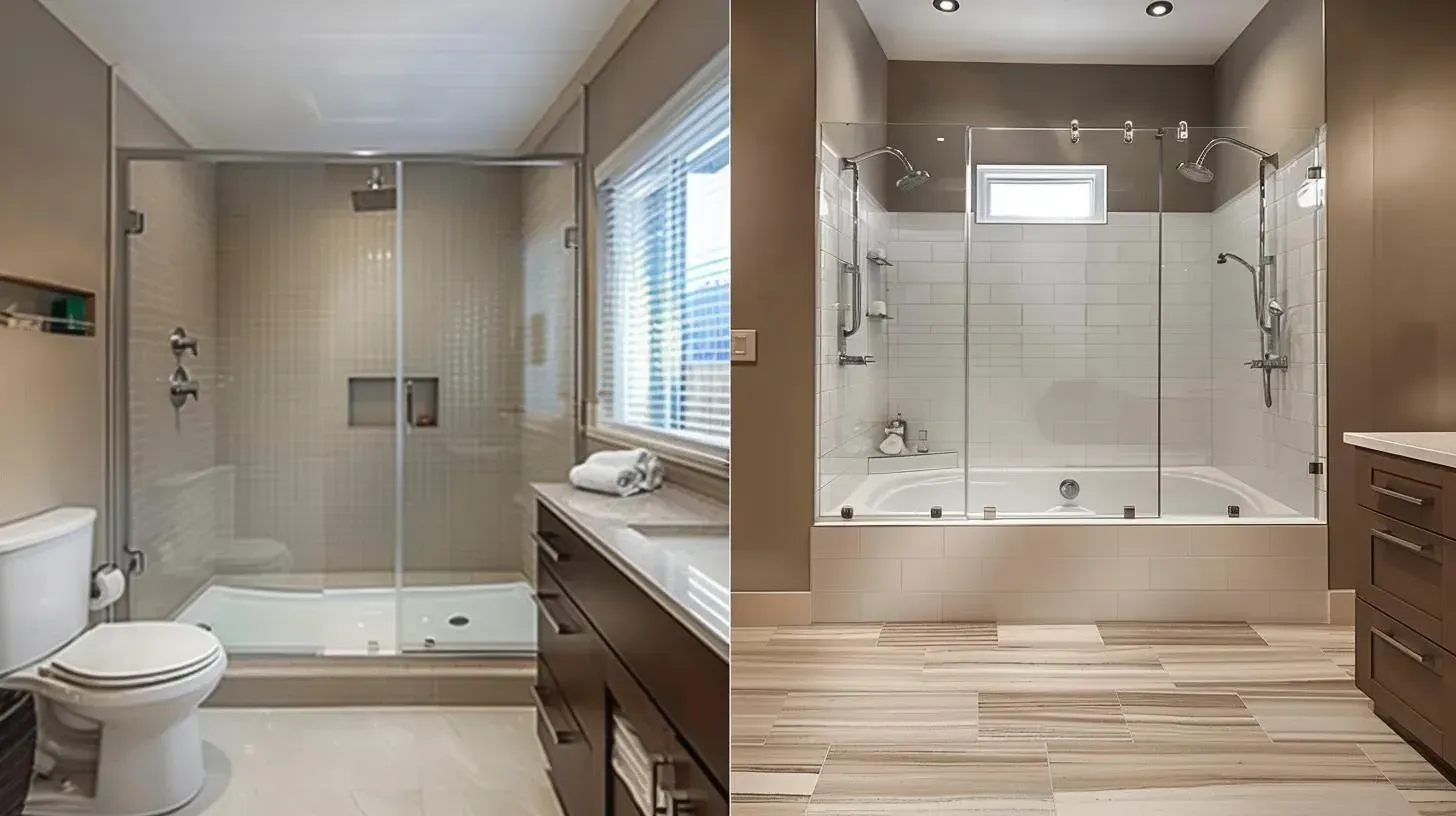
Choosing between a walk-in shower and a tub-shower combo is less about trends and more about who uses the bathroom, how the rest of the house is set up, and what kind of daily routine you want the room to support. This guide compares the two options on access, space, comfort, resale, and budget tradeoffs so you can choose the right direction before getting into conversion details or finish-level shopping. For a full bathroom remodel overview in the Denver metro, start here.
What is the real difference between a walk-in shower and a tub-shower combo?
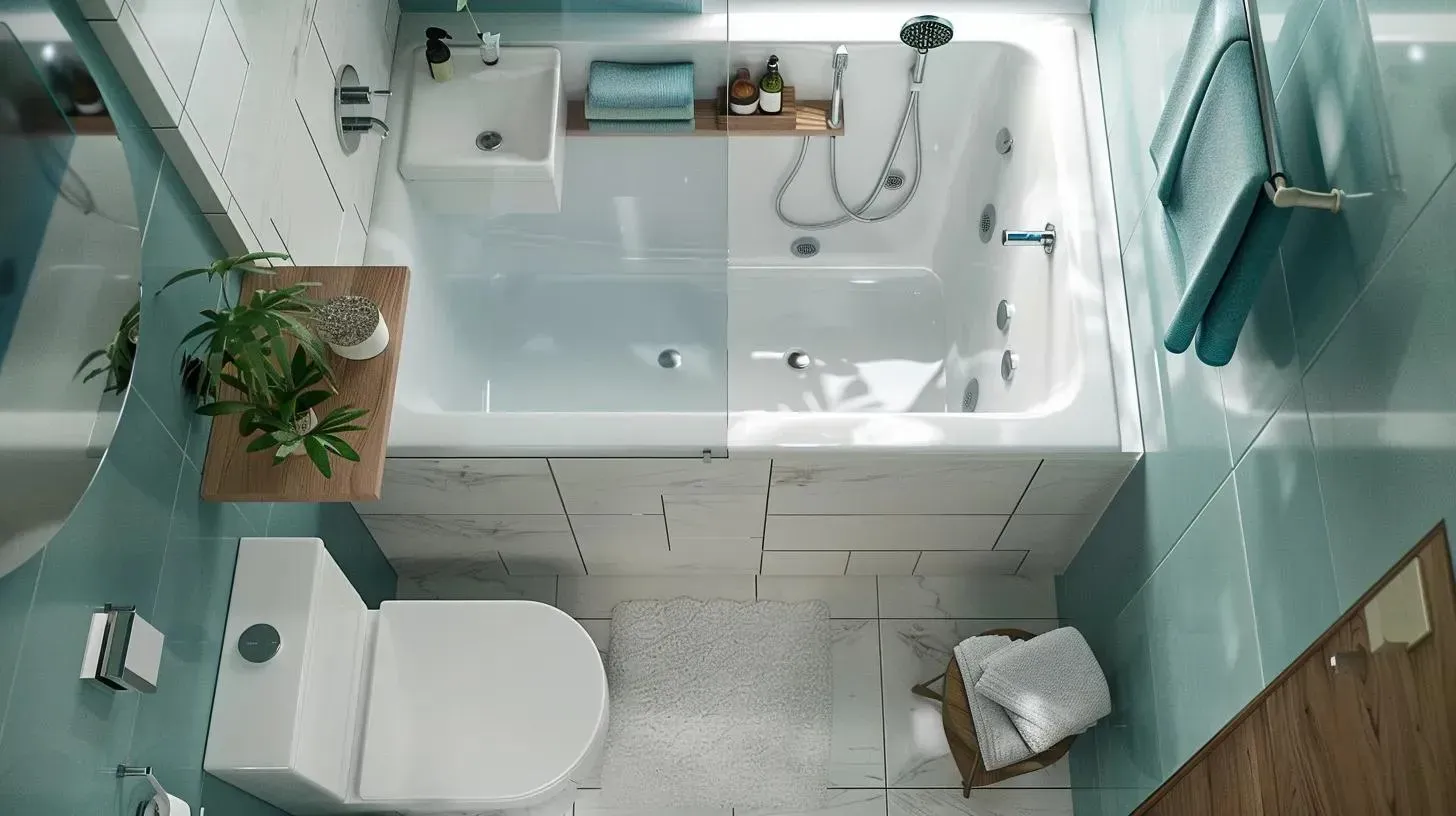
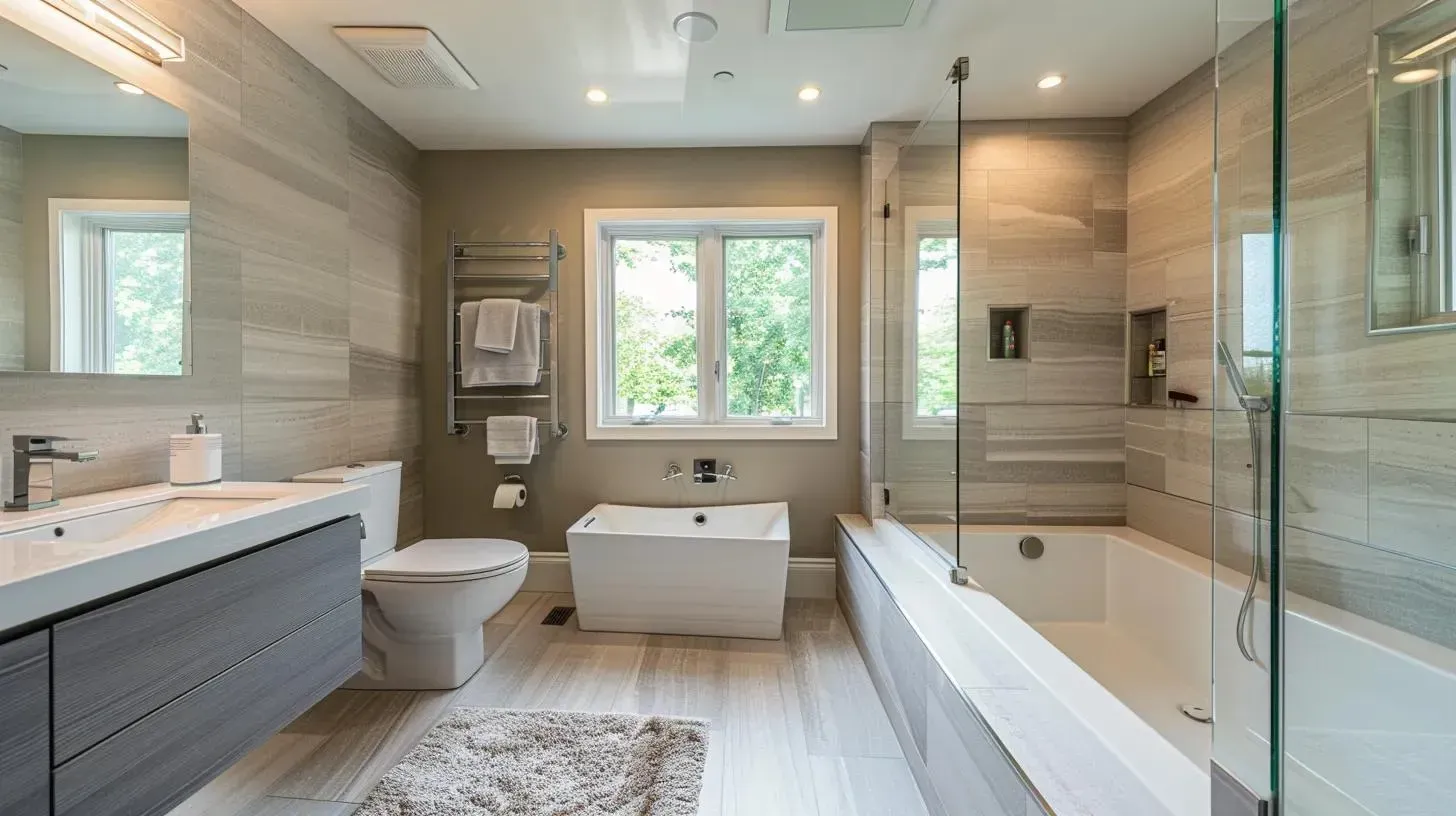
A walk-in shower is a shower without a bathtub wall to step over, usually built with a low-threshold or curb-style entry and designed around standing-room, easier access, and a more open feel. A tub-shower combo is a standard bathtub with a shower above it, which gives you both bathing options in one footprint.
That distinction matters because these two choices solve different problems. A walk-in shower usually improves access and visual openness, while a tub-shower combo usually preserves flexibility for households that still need or want a bathtub.
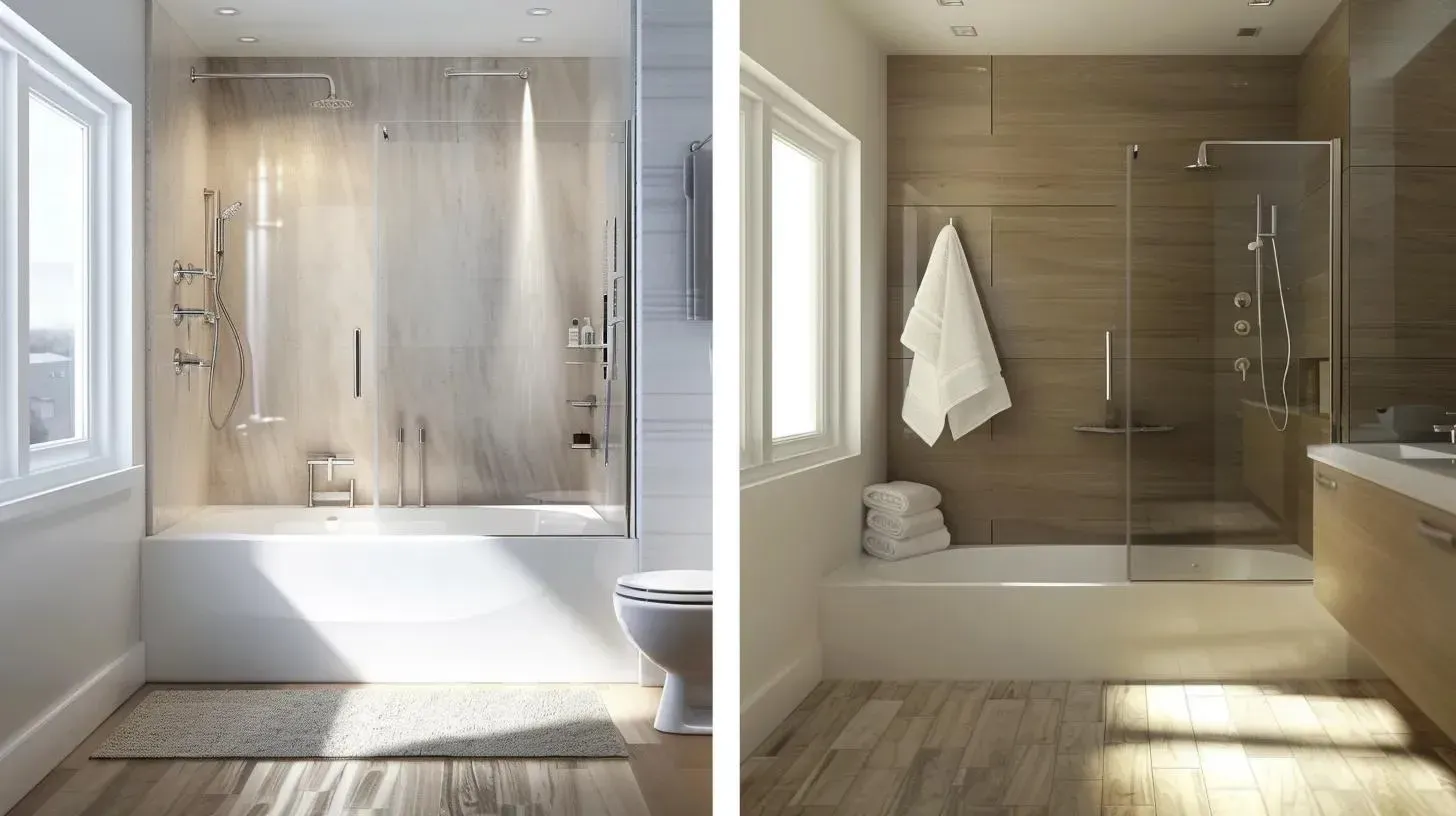
One important clarification: in this article, a tub-shower combo means a standard bathtub with a shower above it, not a walk-in tub product.
Who is this bathroom for now and later?
The best choice is usually the one that matches the people who will use the bathroom most often and the kind of flexibility the home needs over time. If the room serves multiple life stages or multiple types of users, versatility often matters more than design trends.
| Your situation | Usually the better fit | Why it tends to work | What to watch for |
|---|---|---|---|
| This is the only full bathroom in the home | Tub-shower combo | Keeps the broadest day-to-day flexibility for different buyers and household needs | Removing the only tub can narrow future buyer appeal |
| This is a primary bath and there is another tub elsewhere in the home | Walk-in shower | Improves comfort, openness, and easier entry where adults use the room most | Large custom showers can expand scope quickly |
| Aging-in-place or lower-step access matters | Walk-in shower | Easier entry, better future flexibility for benches, handhelds, and grab bars | Access features still need thoughtful layout and detailing |
| Young children or pets use this bathroom regularly | Tub-shower combo | A tub is simply more practical for bathing kids, rinsing pets, and mixed-use routines | The tub wall creates a higher step-over |
| Small guest bathroom used mostly by adults | Walk-in shower | Often feels roomier and more comfortable for quick everyday use | Some guests still expect a tub in a shared family home |
If future access matters, a low-threshold or curbless shower with a handheld sprayer, bench, and grab-bar blocking usually gives you more long-term flexibility. AARP’s aging-in-place bathroom guidance is a useful reference here.
Mini-scenario #1: A couple is remodeling their primary bathroom, and their kids use the hall bathroom that already has a tub. In that setup, a walk-in shower often makes more sense because the home still keeps a tub elsewhere while the primary bath becomes easier to use every day.
Which option feels better in daily use?
For most adults, a walk-in shower feels better for everyday speed, access, and visual openness. A tub-shower combo feels better when the bathroom has to do more than one job.
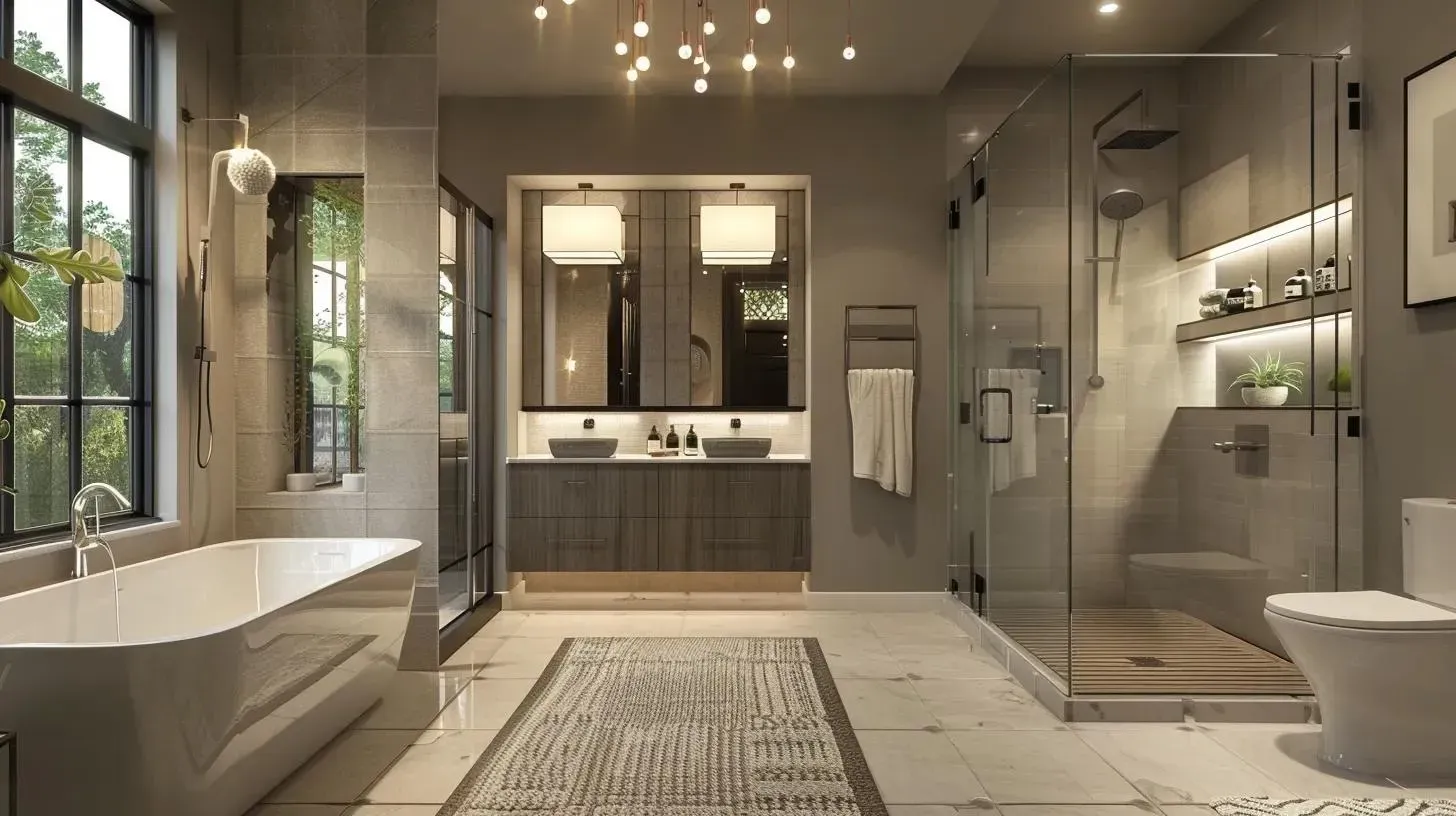
Walk-in showers tend to feel larger because the eye reads more open floor area, especially with clear glass and continuous flooring. They are also easier to step into, which matters not just for older adults but for anyone carrying sore muscles, dealing with a temporary injury, or simply wanting a less awkward entry.
Tub-shower combos are usually the more versatile option. They support quick showers, occasional baths, bathing children, and more mixed-use family routines without needing another room to pick up the slack.
Cleaning is more nuanced than most people expect. Walk-in showers often eliminate the tub wall, but they can add glass, larger tile runs, niches, grout lines, and more exposed splash surfaces. Tub-shower combos usually have a simpler footprint, but the tub wall and curtain or door details can make the room feel tighter.
If water efficiency is part of the decision, shower-focused setups are easier to optimize with efficient showerheads. EPA WaterSense-labeled showerheads use no more than 2.0 gallons per minute and are independently certified for performance.
What happens to resale and future flexibility?
In many homes, the resale question is less about whether a walk-in shower is “good” and more about whether you are removing the last practical bathtub in the house. A walk-in shower can absolutely be a strong upgrade, but many real estate professionals still suggest keeping at least one tub somewhere in the home.
That matters most in family-oriented neighborhoods, homes with only one main bathroom, or layouts where a future buyer would reasonably expect a tub. If the house already has another good bathtub, a walk-in shower in the primary bathroom is usually easier to justify.
The National Association of Realtors’ consumer guidance also frames bathtub replacement as a decision that should factor in resale, household needs, neighborhood expectations, and whether another tub remains in the home.
Mini-scenario #2: A homeowner wants to replace the only tub in a two-bedroom home because they personally never take baths. The walk-in shower may still be the right lifestyle move, but it deserves a pause because the house would lose its only tub and become less flexible for future buyers or visiting family.
If you want to compare how different bathroom layouts and finish styles look in real completed spaces, browse our project gallery here.
Which option is usually easier on the budget?
The lower-cost option is usually the one that keeps the layout, plumbing, and wet-area complexity under control. In many remodels, that means the budget outcome is driven more by scope than by the category label alone.
A straightforward tub-shower combo often stays budget-friendly when it reuses a standard alcove, keeps plumbing locations stable, and uses simpler surround materials. A walk-in shower can also be cost-effective in the same footprint, but costs usually rise faster when the shower gets larger, the drain moves, custom tile work is added, frameless glass is introduced, or the waterproofing scope expands.
The easiest mistake here is assuming “walk-in shower” or “combo” tells you the price by itself. It does not. Layout stability, waterproofing detail, tile complexity, and glass choices usually decide the real difference.
How can you decide quickly without regretting it later?
A fast decision is possible when you answer a small number of high-impact questions honestly. Most bathroom indecision comes from mixing personal preference, resale anxiety, and household needs into one pile.
Quick decision checklist
- Is this the only bathtub in the home?
- Who will use this bathroom most often in the next five to ten years?
- Is easier entry a daily comfort issue or a future planning priority?
- Do you need this room to handle children, pets, or mixed-use family routines?
- Is the bathroom small enough that visual openness matters a lot?
- Are you keeping the same plumbing layout, or are you considering a larger redesign?
- Are you choosing based on your lifestyle, or trying to protect broad resale flexibility?
- Would keeping one tub elsewhere in the house solve the resale concern cleanly?
If you want help matching the layout choice to your bathroom’s size, plumbing realities, and finish direction, our bathroom remodeling page is the best place to start.
What mistakes lead to the most regret?
Most regret comes from choosing for a photo instead of for the actual household.
- Removing the only tub in the home without thinking through future flexibility
- Choosing a walk-in shower for style, then realizing the family still needs a tub regularly
- Assuming a tub-shower combo is always the cheaper choice without looking at tile, surround, door, and plumbing scope
- Treating walk-in showers as automatically maintenance-free when the design includes a lot of glass, grout, and detailing
- Planning for aging in place without including the features that actually matter, such as easier entry, blocking for grab bars, bench options, and handheld spray
- Letting resale fear outweigh the way the bathroom needs to work every day for the current household
FAQ: walk-in shower vs tub-shower combo
Is a walk-in shower better for a primary bathroom?
Often, yes—especially if the home already has another tub somewhere else. A primary bathroom used mainly by adults is where a walk-in shower usually makes the most sense.
Should I keep a tub in the house for resale?
In many cases, yes. The safest resale position is often keeping at least one usable bathtub somewhere in the home, even if another bathroom gets a walk-in shower.
Is a tub-shower combo always cheaper than a walk-in shower?
No. A simple combo can be less expensive, but a simple walk-in shower in the same footprint can also be competitive. The real budget drivers are layout changes, waterproofing scope, tile detail, drain location, and glass.
Is a walk-in shower better for aging in place?
Usually, yes. Lower-step entry and better compatibility with benches, handhelds, and grab bars make it easier to plan for comfort and mobility over time.
Next step
If you’re choosing between a walk-in shower and a tub-shower combo as part of a remodel, the next step is to match that choice to the rest of the home, not just this one room. Start with our bathroom remodeling overview here.
When you’re ready to share photos and goals for a more exact scope conversation, request an estimate here.