Small Bathroom Layout Ideas: What Actually Improves Storage and Movement?
The best small bathroom layout ideas do more than make the room look bigger in photos. They improve how you move through the space, where everyday items live, and whether the bathroom feels calm or cramped when the door is open, the vanity drawers are out, and someone is actually using it.
This guide stays focused on layout ideas that improve storage and movement in a real remodel. It does not turn into a décor gallery, a budget roundup, or a broad shower-vs-tub debate. If you want to see how we plan full bathroom remodels around layout, waterproofing, and sequencing, start here.
Which small bathroom layout moves usually make the biggest difference?
In a small bathroom, the highest-impact changes are usually the ones that reclaim floor area, reduce visual blockage, or move storage off the path of movement. That means one smart layout move often matters more than five decorative upgrades.
Use this table to decide which move fits your bathroom best.
| Layout move | Usually works best when | What it improves | What to watch for |
|---|---|---|---|
| Shower-first layout | The bathroom is used mostly by adults and another tub exists elsewhere | Opens floor area and makes the room feel less crowded | Not always the right move if this is the only practical tub in the home |
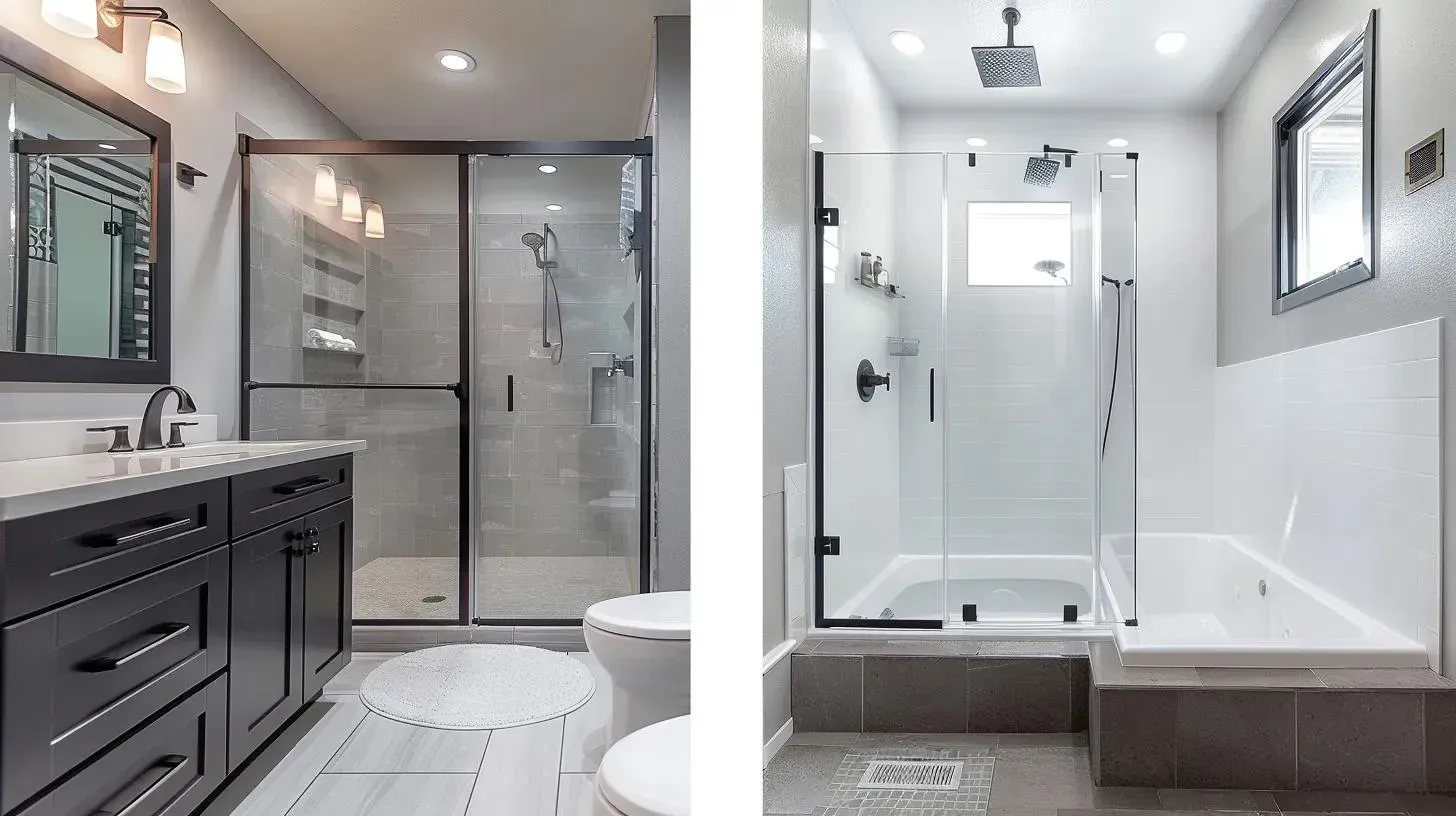
| Corner shower | The room is compact and more square than long | Frees central floor space and can leave more wall area for vanity or storage | Some corner units save space, but can feel tighter inside than they look |
| Floating vanity | You need storage but do not want the room to feel heavy | Keeps floor visible, helps the room feel lighter, and still allows drawers | Storage volume is smaller if the vanity is too shallow |
| Mirror cabinet | The vanity area is short on usable storage | Adds closed storage without consuming floor area | Depth matters; an oversized cabinet can feel bulky |
| Recessed storage above the toilet or in the shower | Wall space exists but the room cannot handle deeper cabinets | Adds storage without tightening the walkway | Best planned early if the wall needs framing adjustments |
| Pocket door or outswing door | The entry door collides with fixtures or blocks movement | Reclaims swing space and makes the room easier to use | Not every wall is ideal for a pocket-door setup |
| Wall-hung toilet | The layout is very tight and wall depth allows it | Exposes more floor and can make the room feel cleaner and more open | Requires the right wall conditions and planning |
The goal is not to do all of these. The goal is to choose the one or two changes that solve the actual bottleneck in your bathroom.
Which layout pattern fits your bathroom shape best?
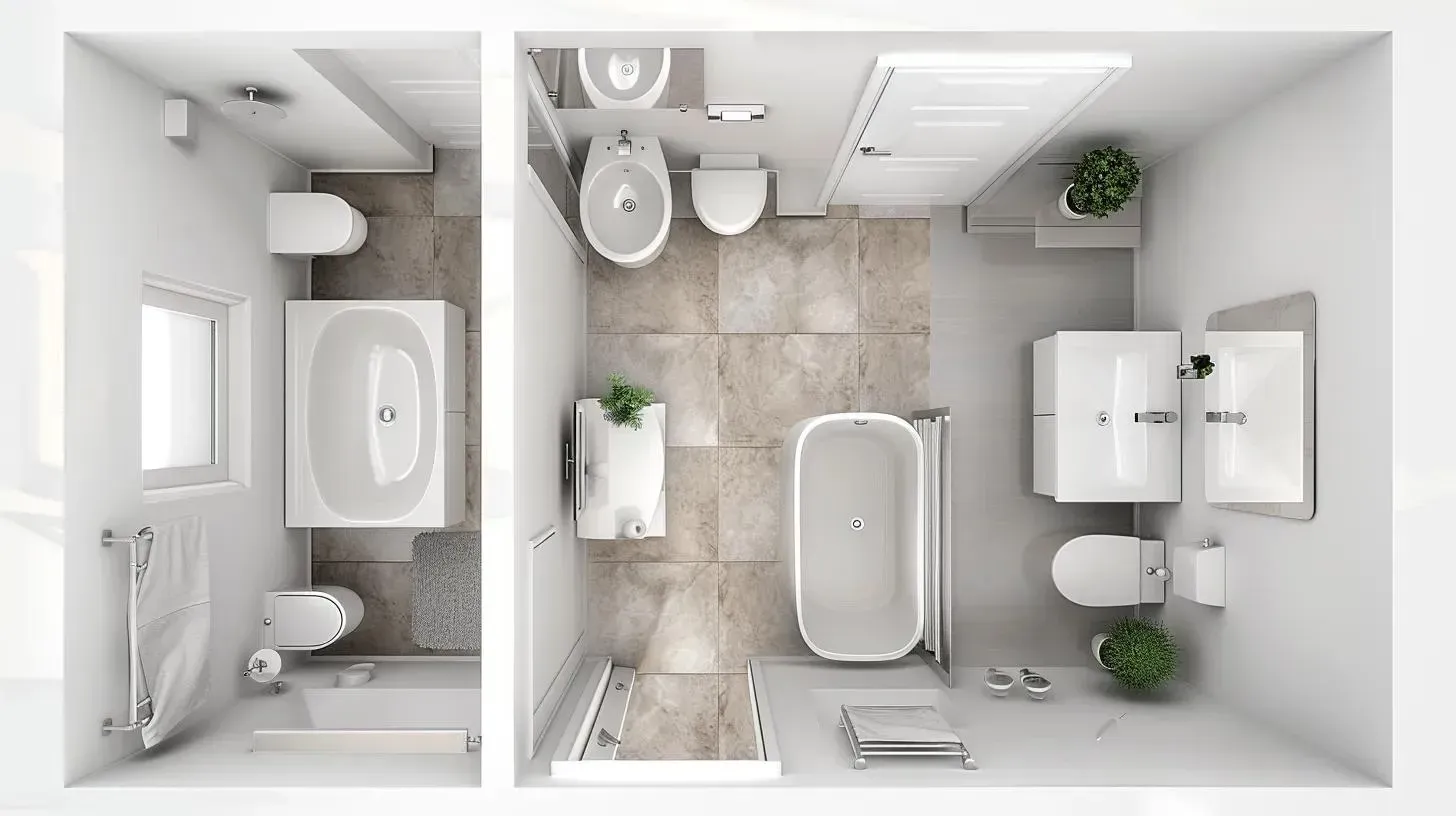
Most small bathrooms work better when the layout matches the room shape instead of forcing a favorite fixture into the wrong footprint. A long, narrow bathroom needs a different strategy than a small square one.
In a long, narrow bathroom, a galley-style arrangement often works best. That usually means fixtures grouped along one or two long walls, with a clear path through the middle and no vanity or toilet crowding the door swing.
In a compact square bathroom, a corner shower or a tighter single-wall fixture run can free up more usable floor space than a full-width tub wall. Square rooms also tend to benefit from more vertical storage because they do not have as much “extra” wall length to work with.
If the bathroom is the only full bath in the home, the best layout is often the one that preserves flexibility first and then improves storage and movement within that boundary. That might mean keeping a tub-shower combo, but shrinking visual clutter with a floating vanity, mirror cabinet, and recessed storage instead of trying to force a larger shower at any cost.
Mini-scenario #1: A family has a tight hall bathroom that still needs a tub for children and guests. Instead of removing the tub, they keep the tub-shower combo, swap a bulky vanity for a shallower floating vanity, add a mirror cabinet, and use recessed shower storage. The room does not get physically bigger, but it feels less crowded because the floor and walls work harder.
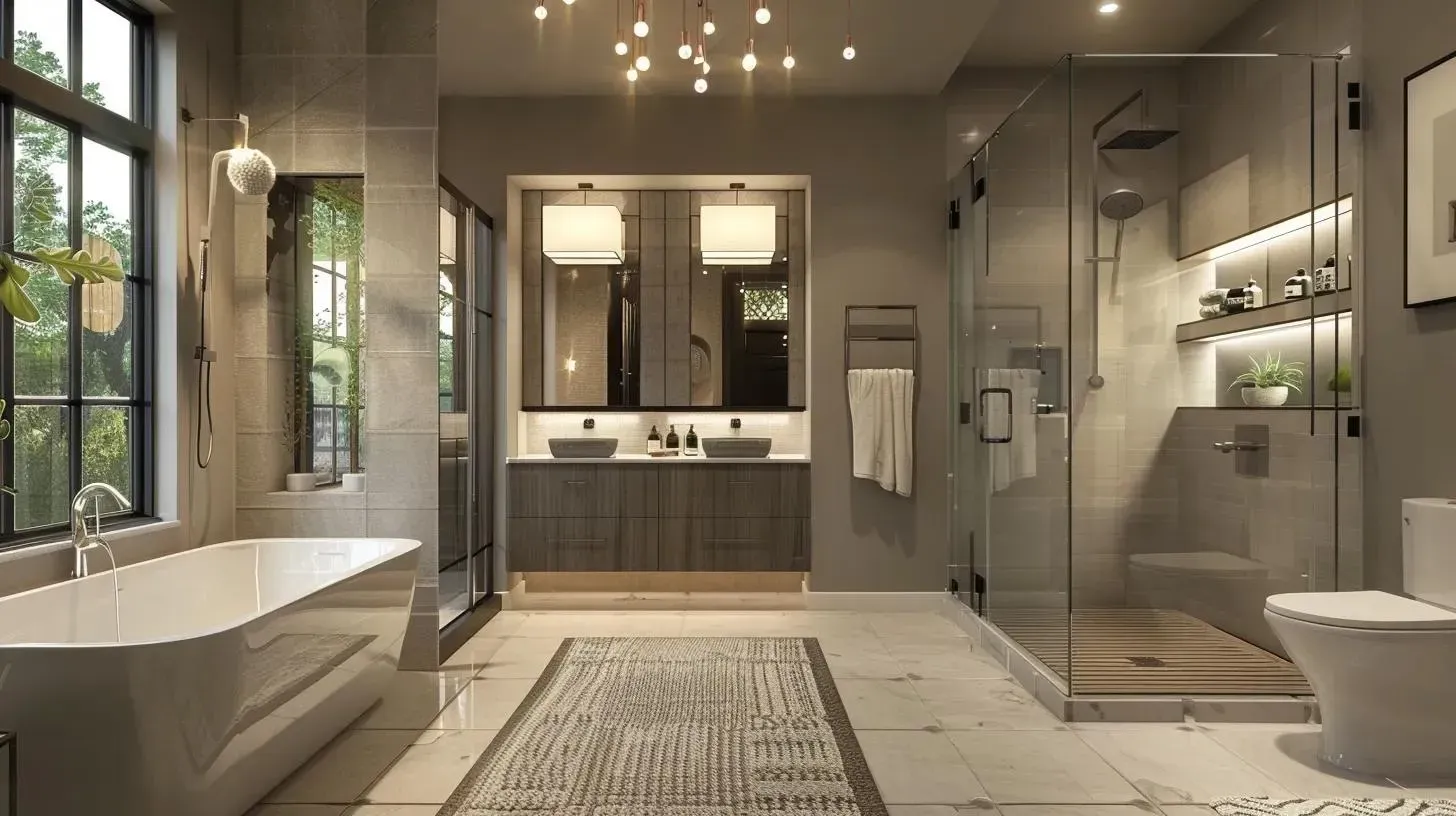
For visual examples of finished bathrooms with different footprints and fixture arrangements, browse our project gallery here.
How do you add storage without shrinking the room?
The safest rule is to think up and in, not out. In small bathrooms, the wrong storage solution often creates a new movement problem.
Vertical storage works best when it stays shallow or recessed. Mirror cabinets, over-toilet shelves, recessed niches, tall narrow towers, and organized under-sink zones tend to improve function without stealing the center of the room. Deeper freestanding pieces usually make the bathroom feel more crowded unless the room is larger than it first appears.
Closed storage is usually better than open storage for the vanity zone because bathrooms collect visual clutter fast. A mirror cabinet can remove a surprising amount of surface mess, and drawers often outperform deep cabinet shelves because they make small items easier to reach.
Shower storage also matters more than many layouts give it credit for. If bottles, razors, and soap have no real home, they end up on ledges and corners that make the shower feel tighter than it is. A well-placed niche or corner shelf keeps the wet area easier to use.
Mini-scenario #2: A narrow en-suite feels cramped even after new finishes because everything still lands on the vanity top. The fix is not a bigger vanity. A mirror cabinet takes over daily toiletry storage, a small niche holds shower items, and a tall hook rail behind the door handles towels and robes. Movement improves because the room finally has fewer “temporary” storage spots.
Which fixture choices improve movement the most?
In many small bathrooms, movement improves most when one fixture stops fighting the room. That usually means reducing the visual weight of the vanity, solving the shower or tub footprint, or reclaiming door-swing space.
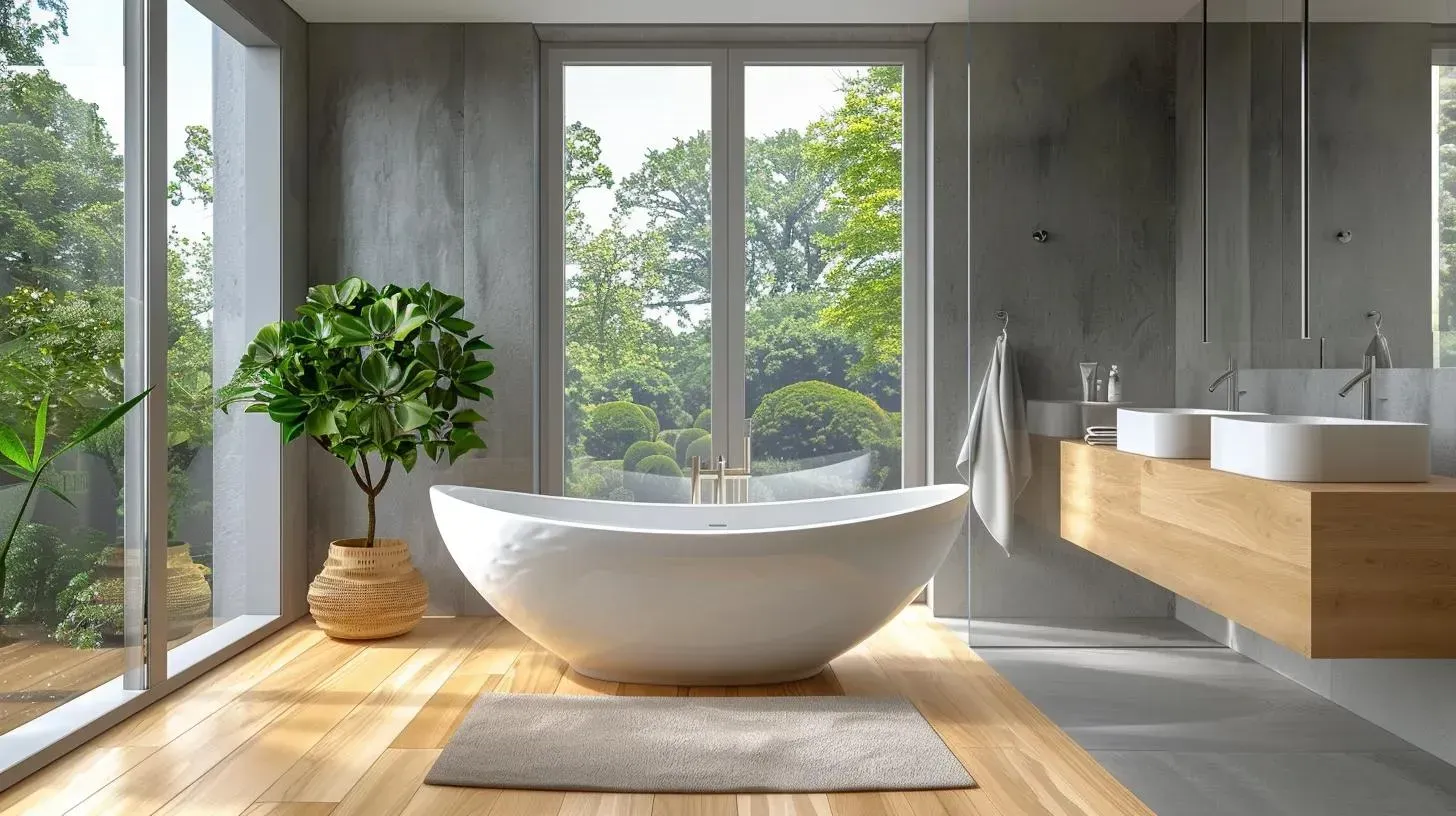
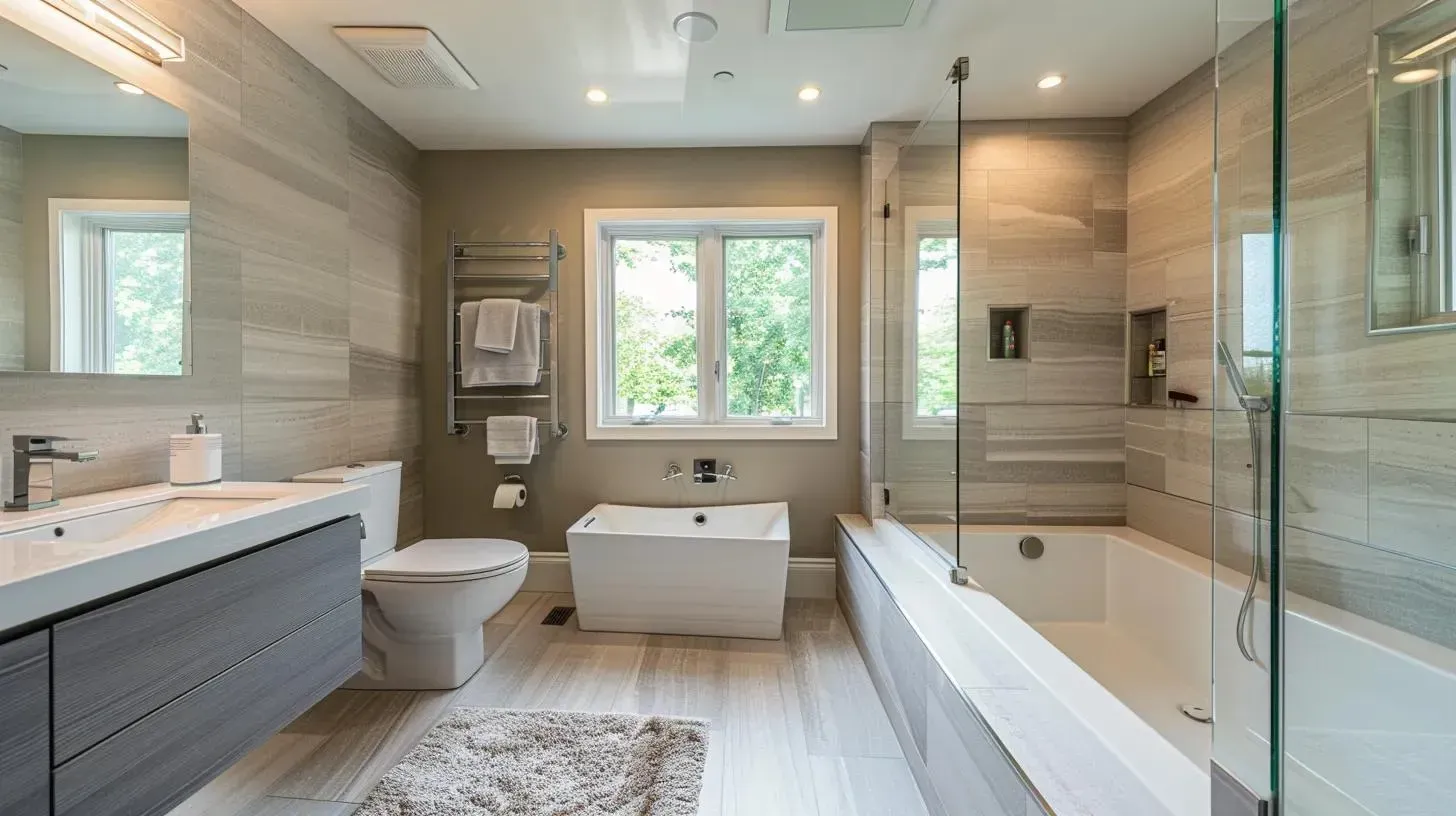
A floating vanity helps because more visible floor makes the bathroom feel less blocked. A wall-mounted toilet can create a similar effect if the wall depth and installation plan support it. Frameless glass can also help a shower feel less boxed in than a curtain or heavy framed enclosure, especially when the room has limited natural light.
The entry door is easy to overlook, but it is often a real layout problem. If the door blocks the vanity, toilet, or shower entry, that conflict will annoy you every day. In some bathrooms, a pocket door or an outswing door is a more meaningful upgrade than a new sink style.
Keeping the plumbing wall simple can also help. When the vanity, toilet, and wet-area plumbing stay organized rather than scattered, the room usually gives back more wall space and creates a clearer path.
What should you test before you lock in the layout?
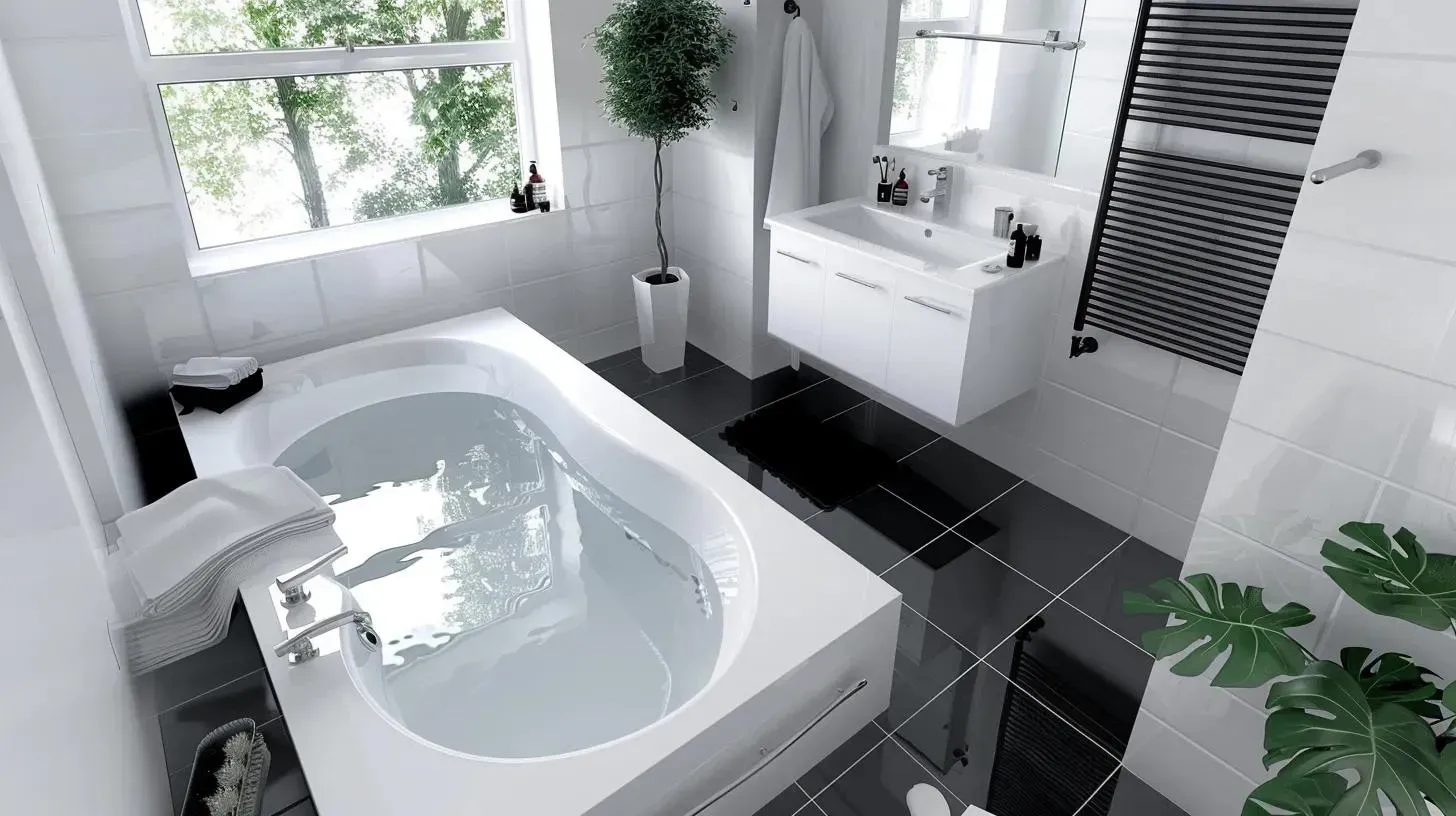
The best way to test a small bathroom layout is to simulate real use before anything is ordered. A plan that looks good on paper can still fail once the door opens, the vanity drawers pull out, and someone tries to dry off or unload toiletries.
Layout test checklist (copy/paste)
- Tape the vanity depth and shower or tub footprint on the floor.
- Open the entry door and check whether it blocks the vanity, toilet, or main standing area.
- Stand at the vanity and imagine where drawers, trash, and towels will go.
- Test whether the toilet area still feels comfortable once a vanity or storage tower is in place.
- Think through where backup toilet paper, cleaning supplies, and daily toiletries will live.
- Check whether the shower door, glass panel, or curtain will interfere with movement.
- Decide whether the room needs a tub for household flexibility before shifting to a shower-first plan.
- Mark where a mirror cabinet, niche, or over-toilet storage could replace bulkier floor storage.
- Confirm that lighting, ventilation, and outlets still support the layout you want.
The more everyday actions you test before demo, the less likely you are to end up with a bathroom that looks improved but still feels awkward.
Soft CTA: If you want help turning a cramped bathroom into a layout that feels clearer and stores more without overbuilding the room, start with our bathroom remodeling page here.
Common mistakes and red flags in small bathroom layouts
The most common mistakes come from solving the wrong problem. Many small bathrooms do not need more stuff in them. They need fewer conflicts between fixtures, storage, and movement.
- Adding deeper storage instead of better-placed storage
- Choosing a vanity for countertop style without checking how far it projects into the room
- Removing a tub without thinking through household needs or future flexibility
- Keeping the door swing even when it blocks the most useful part of the room
- Adding open shelves everywhere and creating permanent visual clutter
- Forgetting shower storage until the end, so bottles take over ledges and corners
- Treating layout like a secondary decision after finishes, when layout is what determines whether the bathroom feels usable
FAQ: small bathroom layout ideas
What is the best layout for a very small bathroom?
The best layout is usually the one that protects a clear path first and then adds storage vertically or in recessed areas. A very small bathroom often works better with a shower-first plan, floating vanity, or mirror cabinet than with deeper floor-based storage.
Is a corner shower a good idea in a small bathroom?
Often, yes—especially in more square rooms where freeing up the center of the floor makes the bathroom feel easier to move through. It is most useful when the corner shower leaves better wall space for a vanity or storage.
Are floating vanities worth it in a small bathroom?
Usually, yes. They do not magically create more square footage, but they often improve the sense of openness while still giving you practical storage.
How do I add storage to a small bathroom without making it feel crowded?
Start with a mirror cabinet, under-sink organization, a shower niche, and over-toilet or behind-door storage before you add deeper freestanding pieces. In compact rooms, shallow and recessed storage usually works better than bulky cabinets.
Next step
A good small bathroom layout is not about squeezing in more. It is about making the room easier to move through and easier to keep organized. If you are planning a remodel, start by matching the layout to the way the bathroom is actually used.
You can review our bathroom remodeling process here.
When you are ready to share photos and goals for a more exact layout conversation, request an estimate here.