Bathroom Remodel Cost in the Denver Metro: Realistic Ranges and What Drives the Price
Planning a bathroom remodel usually starts with one question: what should you actually budget? In the Denver metro, the answer depends less on a single “average” and more on your scope, your wet-area complexity, and whether you keep the existing layout or start moving plumbing, electrical, and walls. This guide focuses on realistic budget bands, what each one usually includes, and the few decisions that move the price fastest so you can plan clearly before you request quotes.
If you want to see how a scope-first bathroom remodel is planned and executed, start with our bathroom remodeling page.
What does a bathroom remodel cost in the Denver metro right now?
For most homeowners, a bathroom remodel in the Denver metro lands somewhere between a cosmetic refresh and a full renovation with layout changes. Smaller bathrooms with the same basic footprint usually stay in the lower bands, while primary bathrooms, custom showers, heated floors, frameless glass, and relocated plumbing push projects into higher ranges.
Use this as a planning framework rather than a quote. The fastest way to get from a broad range to a reliable number is to define what is staying, what is moving, and what level of finish you expect.
| Remodel scope | Typical planning range | Usually includes | Usually does not include |
|---|---|---|---|
| Cosmetic refresh | $5,000–$12,000 | Paint, lighting, hardware, vanity swap, mirror, limited fixture updates, minimal tile work | Layout changes, full shower rebuild, major plumbing/electrical changes |
| Standard full remodel | $12,000–$22,000 | New vanity, toilet, flooring, shower or tub surround, updated fixtures, finish work in the same layout | Significant plumbing relocation, luxury slab work, custom glass-heavy shower packages |
| Mid-range remodel | $22,000–$35,000 | Full hall bath or guest bath renovation, custom tile in wet areas, better vanity/countertop selections, ventilation/light upgrades, limited layout adjustments | Large structural changes, premium spa features, extensive custom cabinetry |
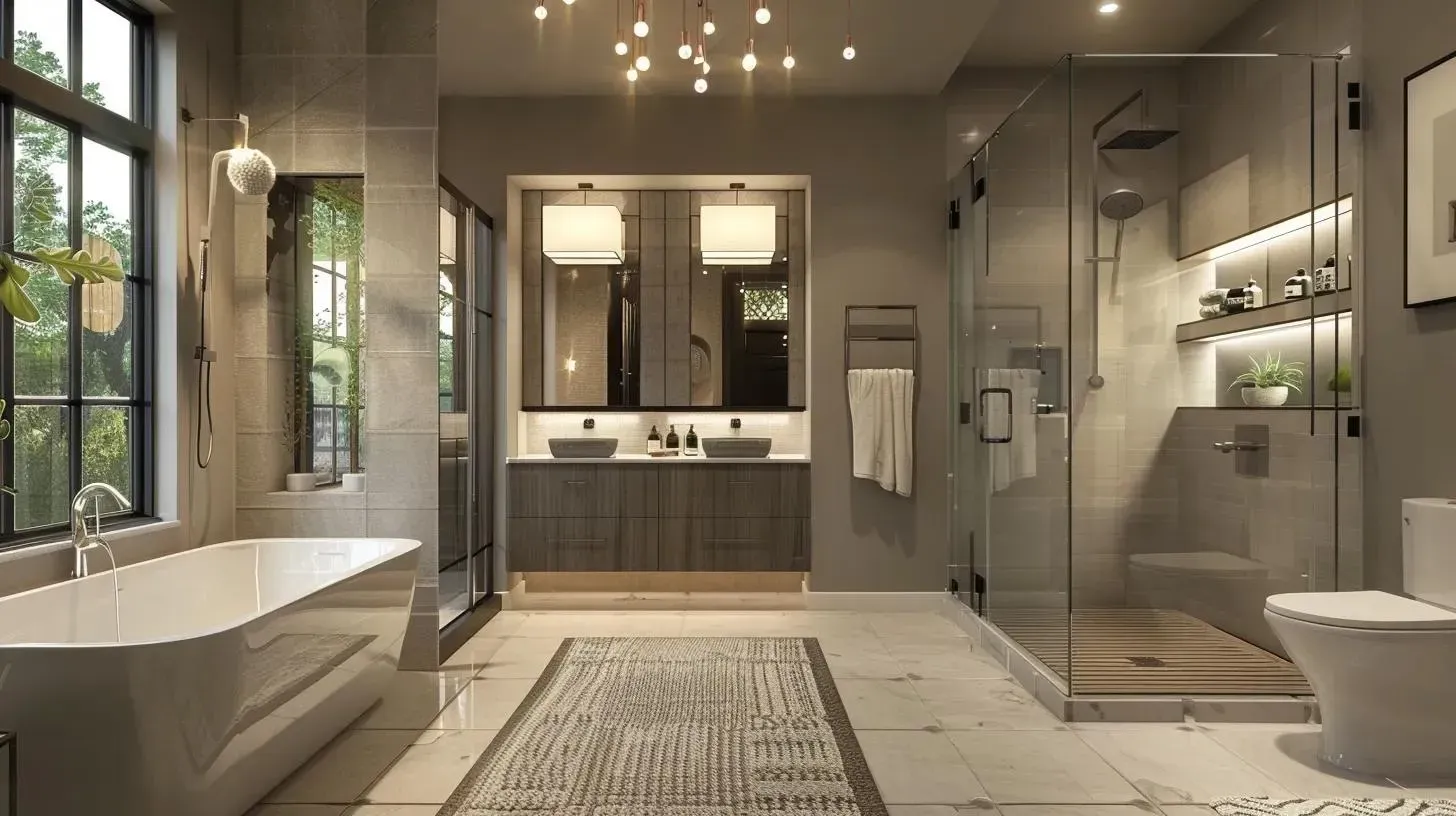
| Primary bath / higher-spec remodel | $35,000–$60,000+ | Walk-in shower, frameless glass, premium finishes, double vanity, heated floors, more involved rough-ins, higher detail level | Major additions or highly customized luxury build-outs beyond the existing room envelope |
The practical takeaway is simple: keeping the layout stable usually protects the budget, while changing the shower footprint, moving drains, or layering in high-detail tile and glass pushes the number up quickly.
Which decisions move bathroom remodel cost up the fastest?
The biggest cost drivers are usually not the small visible upgrades. They are the decisions that affect rough-ins, waterproofing, labor coordination, and finish complexity.
The first major lever is layout change. Moving a toilet, shifting the shower drain, changing a tub to a custom shower configuration, or relocating a vanity often adds plumbing, electrical, framing, patching, and additional sequencing.
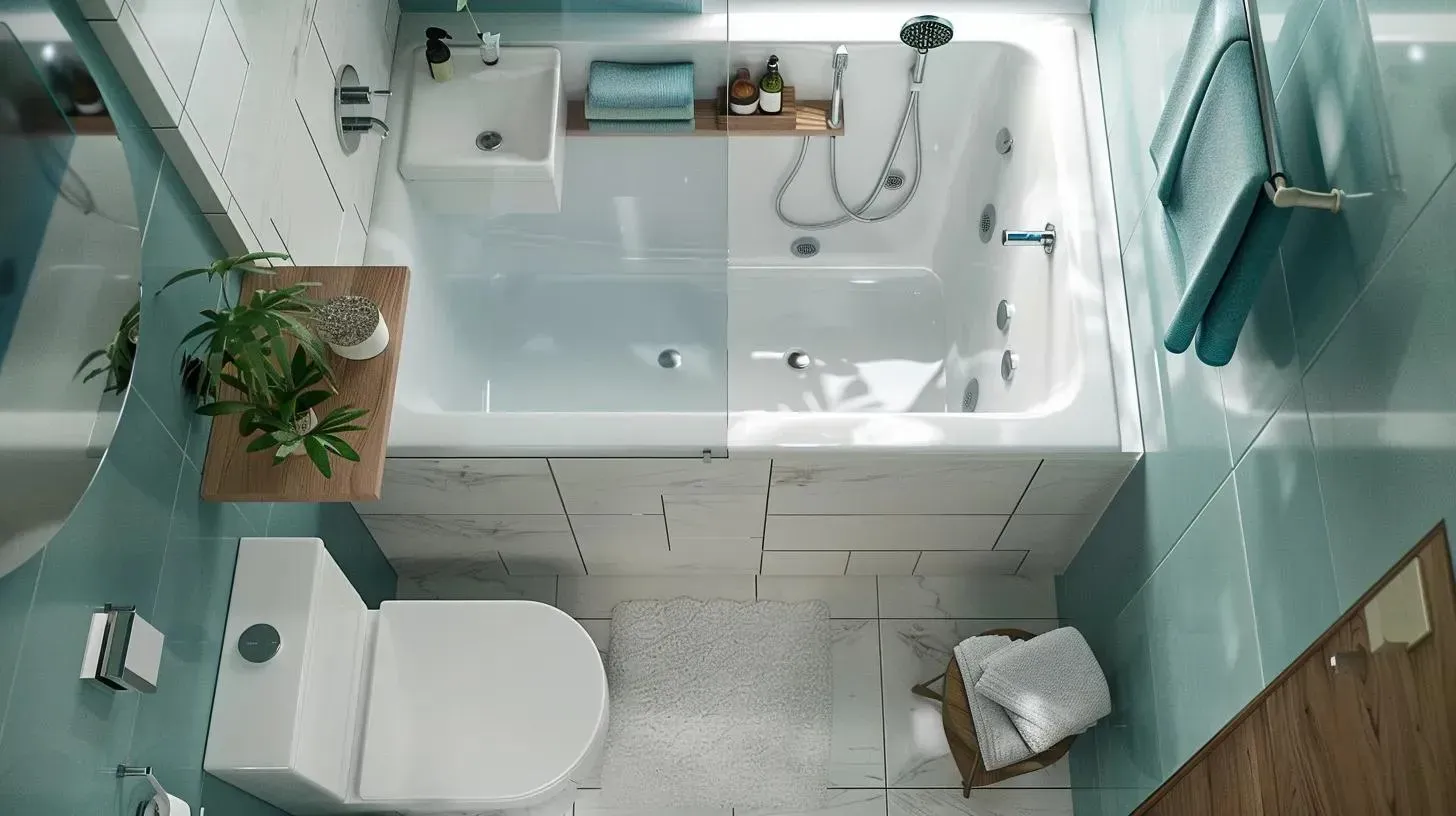
The second major lever is the wet area. The shower or tub surround tends to absorb a large share of the budget because it combines demolition, waterproofing, backer materials, tile labor, trim pieces, plumbing trim, and often custom glass.
The third lever is finish complexity. Large-format tile, patterned floors, niches, floating vanities, upgraded lighting, frameless glass, and tighter finish expectations can all add labor even when material prices seem manageable.
Mini-scenario #1: A homeowner keeps the existing vanity, toilet, and tub locations but replaces the surround, floor tile, lighting, and vanity. The bathroom looks dramatically better, and the budget stays more predictable because the rough-in work stays limited.
Mini-scenario #2: Another homeowner wants to remove the tub, expand the shower, relocate the drain, add a double vanity, and install heated floors. The room may not be much bigger, but the scope is far more labor-heavy, so the budget climbs faster than expected.
If tile detail is one of your main decision points, our tiling page shows the kind of finish work that often changes the labor side of a bathroom budget.
What can different budgets realistically buy?
A realistic budget is easier to build when you match the number to the type of bathroom and the level of change you want.
A budget around $10,000 to $15,000 often works best for a compact hall bath or guest bath where the layout stays the same and the selections stay disciplined. That range usually supports a new vanity, toilet, lighting, flooring, paint, and selective shower or tub updates, but it rarely stretches cleanly to a highly customized shower build with major plumbing changes.
A budget around $15,000 to $25,000 is where more full-bath updates start to make sense, especially when the room footprint stays stable. This is the band where many homeowners can move from a “surface refresh” to a true remodel with stronger tile, fixture, and vanity choices.
A budget around $25,000 to $40,000 opens the door to more ambitious wet-area work, better shower systems, stronger material quality, and more finish flexibility. This is also the band where layout tweaks or older-home discoveries become easier to absorb without forcing major compromises.
The important distinction is not just size. It is whether your budget is paying mostly for visible upgrades or for visible upgrades plus behind-the-walls changes.
How should you budget for a bathroom remodel without guessing?
Start with a ceiling you can live with, then define the scope before you start shopping finishes. Most bathroom budgets get distorted when homeowners choose products first and only later realize they implied a more expensive level of labor and coordination.
Use this checklist before you request estimates:
- Decide whether the layout stays the same or changes.
- Choose the room type you are remodeling: powder room, hall bath, guest bath, or primary bath.
- List your top three priorities only, such as better shower function, more storage, or easier cleaning.
- Decide what finish level you want in the wet area: basic, mid-range, or premium.
- Note any likely hidden-risk conditions, such as an older home, previous leaks, soft flooring, or poor ventilation.
- Separate must-haves from optional upgrades.
- Hold a contingency reserve for discoveries instead of spending the full ceiling on selections.
- Gather photos, rough measurements, and any product links you already like.
A simple budgeting rule that protects you from regret is to spend first on the parts that are hardest to redo later. Waterproofing, rough-ins, ventilation, tile installation quality, and shower build details usually matter more long-term than one extra decorative upgrade.
If you’re in the Denver metro and want to connect your budget to a real scope instead of a generic average, our bathroom remodeling page is the best place to start.
Do permits, older homes, and hidden conditions change the budget?
Yes. Even when a bathroom looks straightforward, the budget can change once demolition reveals moisture damage, subfloor issues, outdated wiring, venting problems, or plumbing work that needs correction.
Permits can also affect both price and timeline when the project goes beyond like-for-like replacement. In Denver, replacing existing cabinets, countertops, flooring, ventilation, plumbing, and electrical fixtures like-for-like does not require a permit, but relocated fixtures, altered floor plans, or more involved trade work commonly push a project into permit territory. Because permit triggers vary by scope and jurisdiction, it helps to treat permit costs as project-dependent rather than assuming every bathroom remodel works the same way.
This is one reason contingency matters. A bathroom can look cosmetic at the planning stage and still need structural drying, subfloor patching, or plumbing corrections once the room is open.
Where do bathroom remodel budgets usually go off track?
Most budget overruns come from scope drift, not one dramatic purchase. The pattern is usually a stack of small decisions that each feel manageable on their own.
Common mistakes and red flags:
- Starting with inspiration photos before deciding what is staying and what is moving.
- Underestimating how expensive the shower area can become once tile, waterproofing, niches, glass, and plumbing trim are added together.
- Treating layout changes as a small upgrade instead of a major cost multiplier.
- Spending the full budget ceiling on visible finishes and leaving no reserve for discoveries.
- Assuming a quote is complete when demo, disposal, patching, waterproofing, or finish detailing are vague.
- Letting optional upgrades stack up without trading something else down.
A calmer approach is to define one core version of the project first, then keep alternates separate. That makes it much easier to decide what is essential and what is simply nice to have.
FAQ: bathroom remodel cost in the Denver metro
Is $15,000 enough for a bathroom remodel in the Denver metro?
It can be, especially for a smaller bathroom that keeps the same layout and uses disciplined selections. It is usually not enough for a high-detail primary bath remodel with major shower reconfiguration, premium finishes, and multiple behind-the-walls changes.
What is usually the most expensive part of a bathroom remodel?
In many remodels, the wet area is the biggest cost center. The shower or tub zone combines demolition, waterproofing, tile labor, plumbing, and finish detailing, which is why it often outruns the vanity or lighting budget.
Is it cheaper to keep the same bathroom layout?
Usually, yes. Keeping the vanity, toilet, and shower or tub in roughly the same locations tends to reduce plumbing, electrical, framing, and finish-repair costs.
How do I get a more accurate bathroom remodel estimate?
Send photos, your city, a short note about what you want to change, and any selections you already made. When you’re ready to do that, you can request an estimate here: Estimate
Next step
If you’re planning a bathroom remodel in the Denver metro, the best next move is to turn your budget band into a clear scope before you compare numbers. Start with our bathroom remodeling overview here.
When you’re ready for a faster, more accurate quote, send photos and project notes here.
External references
For Denver permit guidance on like-for-like interior replacements versus altered layouts or relocated fixtures, review the City of Denver residential interior remodel permit guidance, which explains when simple replacements may not require the same review as layout or plumbing changes.
For broader national bathroom cost context and common cost bands by scope, review: Bathroom-Remodel-Cost