Kitchen Lighting Plan: How to Layer Ambient, Task, and Accent Lighting
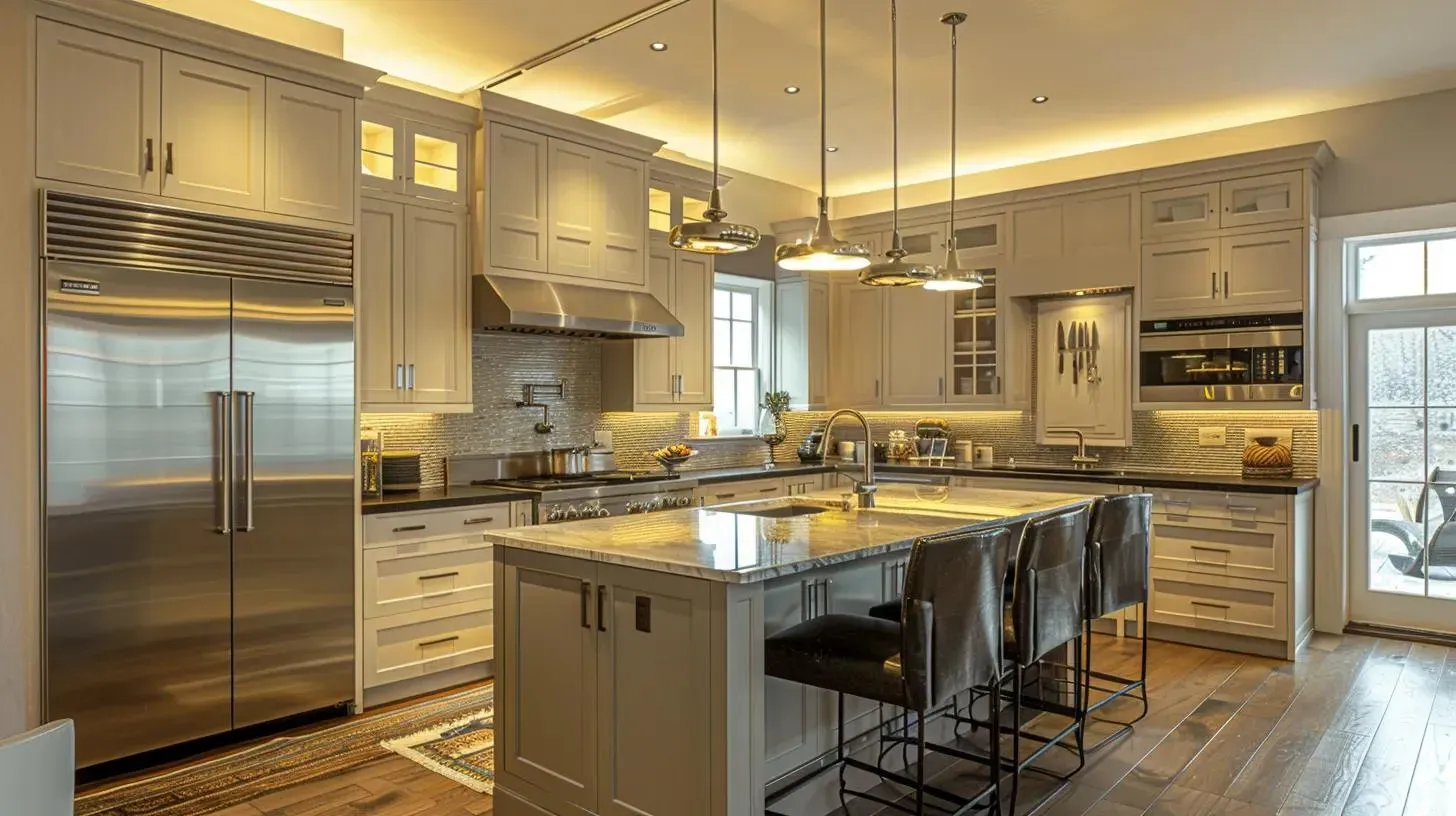
A good kitchen lighting plan makes the room feel easy to work in and comfortable to live in—without glare, shadows, or “spotlight vibes.” This guide focuses on one thing: how to plan layered kitchen lighting (ambient + task + accent) before electrical work and cabinet installs lock your options in.
If you’re planning a kitchen remodel in the Denver metro and want the lighting plan coordinated with layout, cabinets, and finishes, start here. See
“Trustwork Home Renovations and Repairs –
Kitchen Remodeling.”
What is “layered” kitchen lighting, and why does it work better?
Layered lighting means you don’t rely on one ceiling fixture to do everything. Instead, you combine a comfortable base layer (ambient), focused work light (task), and selective highlights (accent) so the kitchen feels balanced and functional.
Planning guidelines emphasize that work surfaces should be well illuminated with appropriate task lighting in addition to general lighting.
Which lights count as ambient, task, accent, and decorative?
Ambient lighting provides overall brightness, task lighting targets work areas, and accent lighting adds depth and highlights. Decorative lighting can function as any layer—but it’s usually chosen for style first.
Decision table: choose fixtures by lighting layer
| Lighting layer | What it’s for | Best places to put it | Common fixture choices | Best control |
|---|---|---|---|---|
| Ambient | Comfortable overall brightness | Center of the room + circulation paths | Recessed lights, flush mounts, surface fixtures | Dimmer or separate switch |
| Task | Shadow-free work light | Counters, sink, range, prep zones | Under-cabinet LEDs, focused downlights, pendants where appropriate | Separate switch (or dedicated dimmer) |
| Accent | Depth + highlight features | Cabinets, shelves, artwork, toe-kicks | In-cabinet lights, above-cabinet uplight, wall washers | Separate switch/dimmer |
| Decorative | Visual focal point | Over island/peninsula, dining area | Pendants, statement fixtures | Dimmer (if it’s also ambient) |
How do you place task lighting so you don’t get shadows on countertops?
Place task lighting so it lands where your hands and cutting boards are—typically toward the front half of the counter run. Under-cabinet lighting works well because it shines directly onto the work surface instead of from behind your head.
A widely used placement guideline is to mount under-cabinet LED strips or puck lights toward the front edge of the cabinets so they cast the most usable light onto the countertop surface. See “Your Under-Cabinet Kitchen Lighting Guide.”
How do you avoid glare and “hot spots,” especially with shiny counters?
Start by aiming light where you need it and controlling brightness. Glare usually comes from over-bright fixtures, poor aiming, or highly reflective surfaces that bounce light straight into your eyes.
Practical fixes:
- Use diffused under-cabinet lights and avoid placing them too far back
- Add dimmers or separate switches so you can tune brightness by task
- Avoid stacking multiple bright sources directly over one work zone
What’s the simplest way to plan your kitchen lighting in the right order?
Plan lighting after your layout is known but before cabinets and electrical are finalized. The “right order” is: confirm zones → decide layers → confirm control groups.
Kitchen lighting planning checklist (copy/paste)
- Mark your work zones: sink/cleanup, prep, cooking, beverage/coffee
- Decide which zones need dedicated task lighting (usually prep + sink)
- Choose one ambient strategy (recessed grid, surface fixtures, or a mix)
- Decide where accent lighting adds value (glass cabinets, shelves, toe-kicks)
- Group controls by function (ambient vs task vs accent), not “everything together”
- Confirm switches are placed logically (so you don’t walk into a dark kitchen)
- Choose bulbs/fixtures by brightness (lumens) and color tone (Kelvin) you like
For guidance on choosing efficient fixtures and matching light quality to function, see DOE lighting design basics.
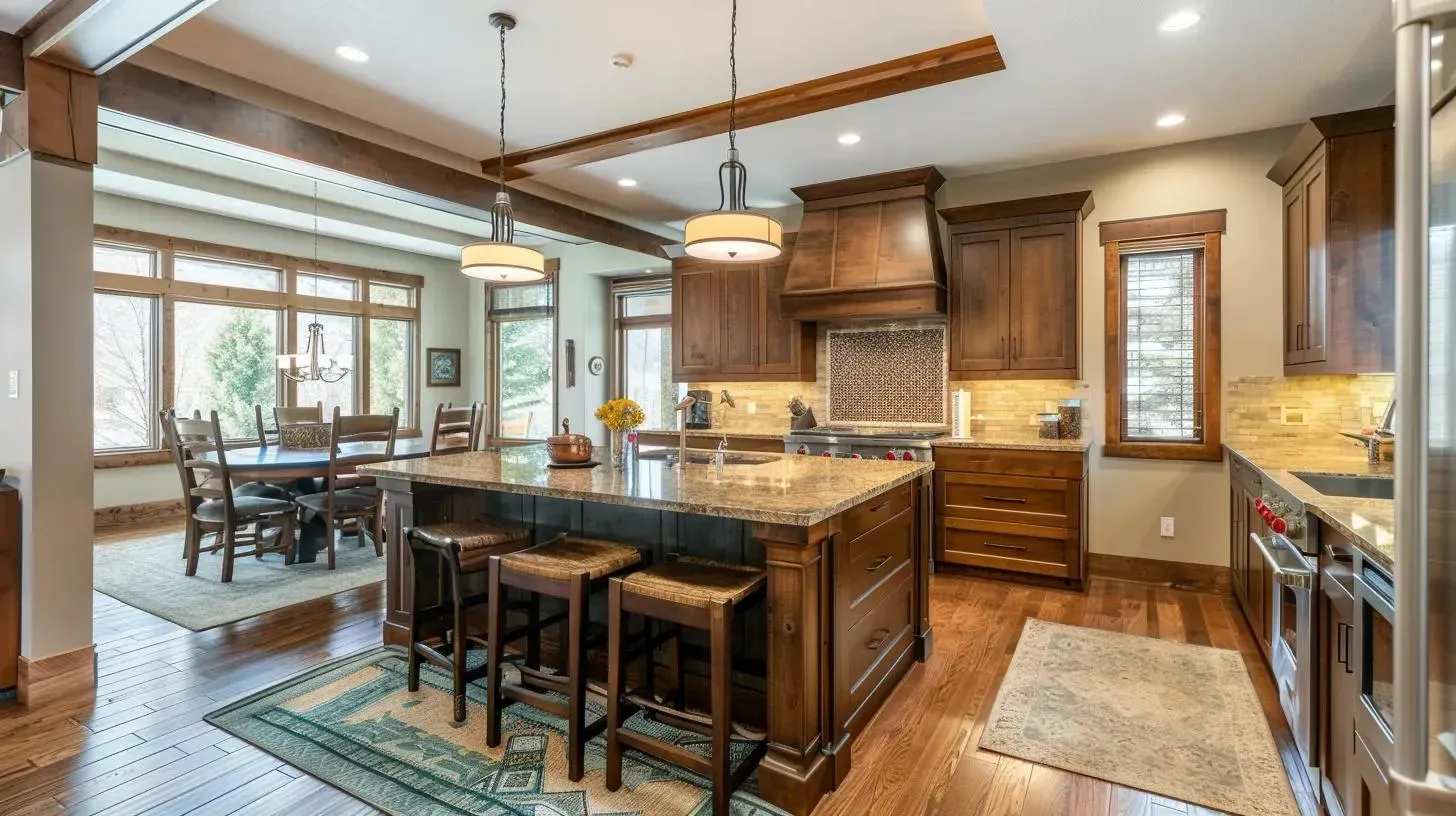
Mini-scenario #1: An open-concept kitchen has plenty of recessed ceiling lights, but the counters still feel dim because the cook’s body casts shadows on the work surface. Adding under-cabinet task lighting and separating it onto its own switch fixes the problem without adding more ceiling lights.
If you’re refining layout decisions that affect lighting placement (like island size and aisles), this spacing guide helps you avoid downstream conflicts.
Do you really need recessed lights if you have under-cabinet lighting?
Often, yes, because under-cabinet lights won’t fully replace ambient light for circulation and general visibility. The goal is not “as many lights as possible,” but the right balance: ambient for the room, task for counters, and accent where it adds depth.
The DOE specifically notes that more light isn’t always better, recommending the use of targeted task lighting where needed while reducing unnecessary ambient light elsewhere. See “Lighting Design Basics.”
What are common mistakes that make kitchen lighting feel wrong?
Most lighting regrets come from combining too many roles into one fixture type.
- Using only ceiling lights and skipping task lighting, which creates counter shadows
- Putting every light on one switch so you can’t adjust for cooking vs evening mood
- Overusing high-glare bulbs or fixtures in an open-concept kitchen
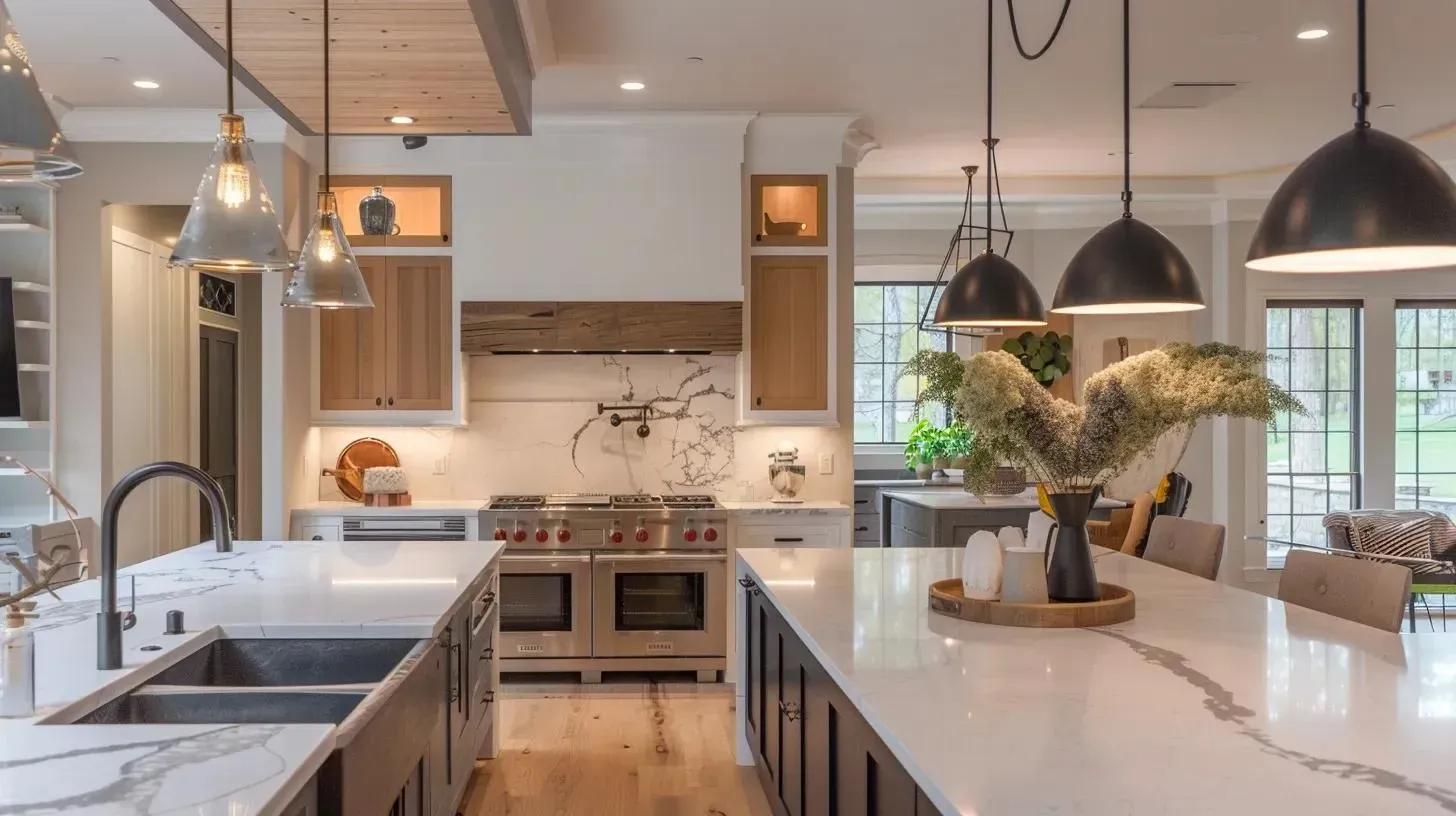
- Adding pendants for style but forgetting the sink/prep areas still need task light
- Choosing brightness by watts instead of lumens, which leads to unpredictable results
If you want a simple “what to look for on the box,” ENERGY STAR’s LED checklist explains why lumens matter more than watts.
Kitchen lighting plan FAQ
What color temperature should kitchen lighting be?
Start with a color tone that looks good with your finishes and feels comfortable at night. Many homeowners prefer a warm-to-neutral white for the overall kitchen, then keep task lighting consistent so counters don’t look “two different colors.”
Are pendants enough for island lighting?
Sometimes, but pendants are often more decorative than task-focused. If the island is a true prep zone, make sure you have real task light (either well-aimed pendants, recessed downlights positioned correctly, or both).
Should I put under-cabinet lighting on a dimmer?
Often, yes. Dimming makes task lighting flexible: bright for cooking, softer for evenings.
When do I need to decide lighting during a remodel?
Before cabinets are installed and before electrical work is finalized. Late lighting changes are a common reason for change orders and schedule adjustments.
If you want a clear process for documenting scope changes, use “Kitchen Remodel Change Orders.”
Next step
If you have a basic lighting plan (layers + zones + control groups), your remodel tends to feel smoother—because electrical decisions stop changing midstream.
- Kitchen remodeling overview.
- Estimate request (photos + goals).
External references
- NKBA Kitchen Planning Guidelines (Lighting guideline).
- DOE Lighting Design (task lighting + light quality).
- ENERGY STAR LED checklist (lumens vs watts).