Quartz vs Granite vs Quartzite: Which Countertop Is Best for Your Kitchen?
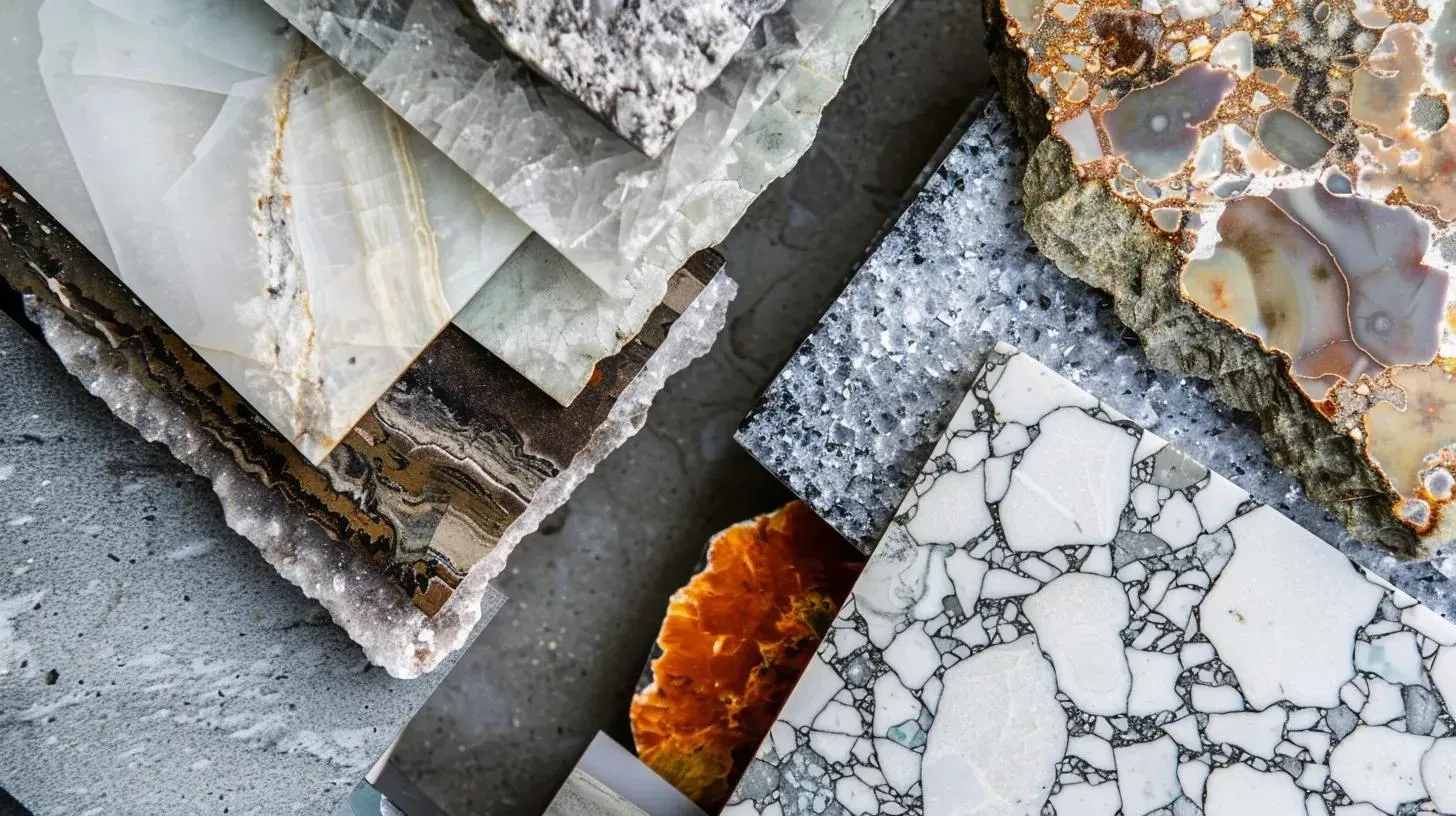
Quartz, granite, and quartzite can all be great kitchen countertops—but they’re great for different reasons. This guide helps you choose the best fit based on how you cook, how much maintenance you want, and the kind of look you’re trying to achieve.
If you’re planning a kitchen remodel in the Denver metro and want countertops coordinated with sink/faucet placement, backsplash, and cabinet timing, start here. See
“Trustwork Home Renovations and Repairs –
Kitchen Remodeling.”
Which countertop is best overall: quartz, granite, or quartzite?
There isn’t one “best” material for everyone. Quartz usually wins for low-maintenance consistency, granite is a durable natural-stone workhorse with a huge range of patterns, and quartzite is often chosen when you want a natural stone with dramatic veining and strong heat/scratch performance—while accepting that it typically needs sealing and careful selection.
A helpful way to decide is to separate your decision into three buckets: (1) how you live in the kitchen, (2) what you want it to look like, and (3) what you’re willing to maintain.
How do these three materials compare side-by-side?
If you want the fastest, clearest decision, use the table first and then read the sections that matter to your priorities.
| Decision factor | Quartz (engineered) | Granite (natural stone) | Quartzite (natural stone) | What to verify before choosing |
|---|---|---|---|---|
| Daily maintenance | Typically easiest; nonporous; no sealing | Often benefits from sealing; wipe spills | Often benefits from sealing; wipe spills | Your tolerance for periodic sealing + care habits |
| Heat tolerance | More sensitive to high heat (resins) | Generally strong | Generally strong | Your cooking style (searing, cast iron, frequent hot pans) |
| Stain risk | Typically low (nonporous) | Varies by slab/seal and spill habits | Varies by slab/seal and spill habits | Ask what the stone needs to stay stain-resistant |
| Scratch/chip behavior | Strong overall; can still chip | Strong; can chip on hard impact | Very hard; can still chip on edges | Edge profile + overhang support + how rough your household is |
| Look + consistency | Consistent patterns, many colors | Natural variation; each slab unique | Natural variation; often “marble-like” veining | View full slabs, not just small samples |
| Repairability | Minor chips can sometimes be repaired; seams vary | Chips can often be repaired; seams vary | Chips can often be repaired; seams vary | Ask fabricator about seam placement and repair approach |
| “Quartzite confusion” risk | Low (engineered, labeled) | Low (clearly granite families) | Higher (some stones are mislabeled as quartzite) | Confirm stone identity and expected behavior |
External reading
- Quartz overview (composition, maintenance).
- Quartz vs granite comparison (heat/maintenance considerations).
Is quartz really more low-maintenance than granite or quartzite?
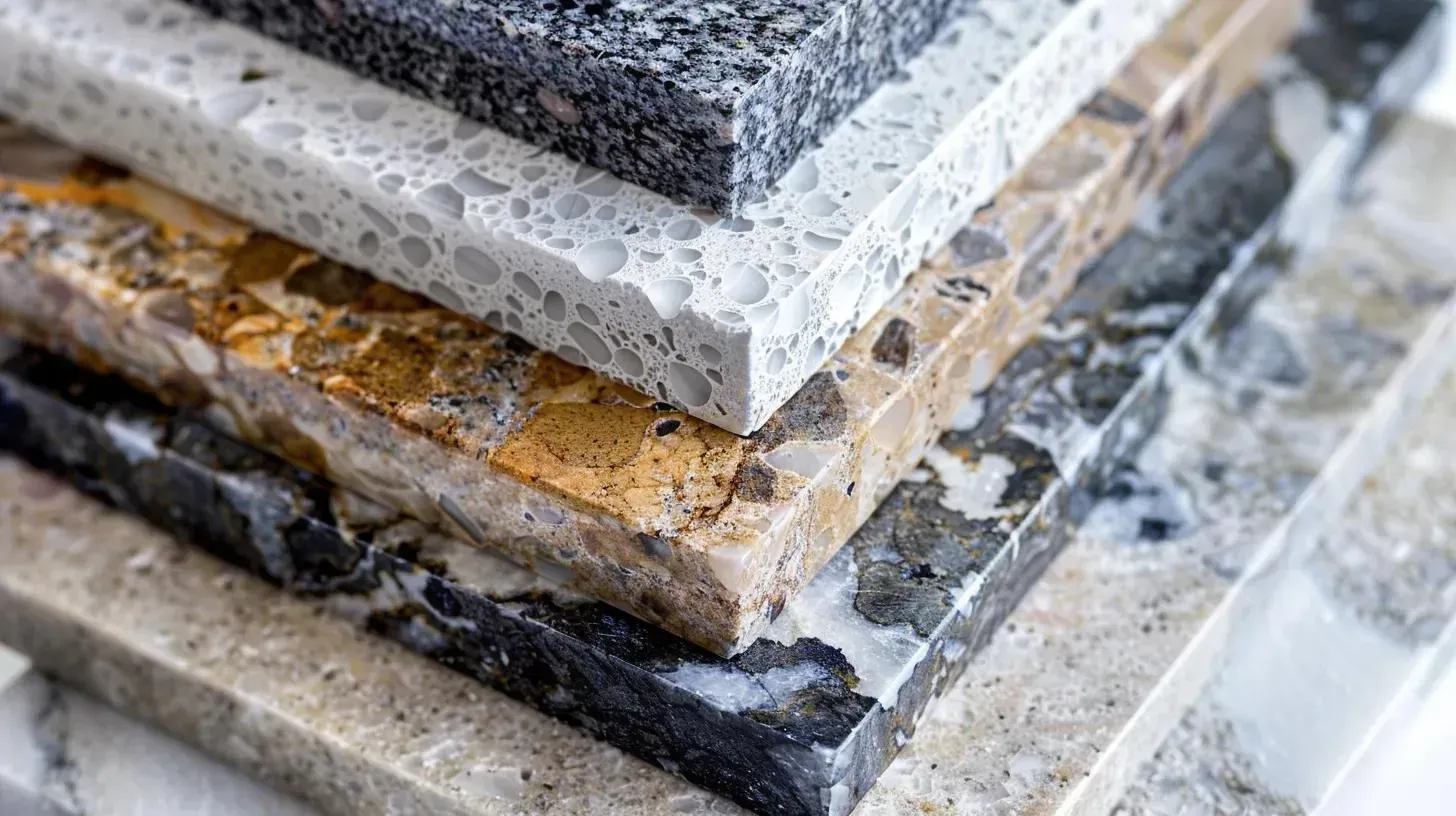
Usually, yes. Quartz is engineered and commonly described as nonporous, which is why it’s often marketed as not needing sealing and being easier to keep stain-resistant.
That said, “low-maintenance” still means sensible habits. You’ll want to wipe spills reasonably soon, avoid abrasive cleaners, and use trivets for hot cookware (especially when the countertop is light-colored and shows marks more easily).
Mini-scenario #1: A busy household cooks daily, has kids who spill juice and sauce, and doesn’t want to think about sealing. They choose a quartz pattern they love and set a simple rule: cutting boards + trivets + wipe spills. They get predictable maintenance and a consistent look.
How do heat, scratches, and stains compare in real kitchens?
In real kitchens, your experience is driven less by “internet rankings” and more by your habits and the specific slab/finish you choose.
- Heat: Granite and quartzite are often preferred by homeowners who frequently place hot cookware near the sink or cooktop. Quartz can be more sensitive to high heat because it typically contains resins.
- Scratches/chips: All three can chip if you hit an edge hard enough. Edge profile and overhang support matter as much as material.
- Stains: Quartz is typically chosen for lower stain risk. For granite and quartzite, the slab’s porosity and sealing approach matter.
If you choose natural stone, follow care guidance from a neutral source like the Natural Stone Institute.
What maintenance should you expect from granite and quartzite?
Expect that many natural-stone countertops benefit from sealing as a stain-resistance measure, and that cleaning is generally simple when you use mild cleaners and avoid harsh acids.
The Natural Stone Institute explains sealing as making stone more stain resistant (not “stain-proof”) and notes that some stones may not require sealing depending on the specific material and use: Sealing Stone.
A practical homeowner approach is to ask your stone supplier or fabricator:
- Does this slab benefit from sealing?
- What cleaner do you recommend?
- What should I avoid (acids, abrasives, etc.)?
How do you choose the right look: slab variation vs. consistency?
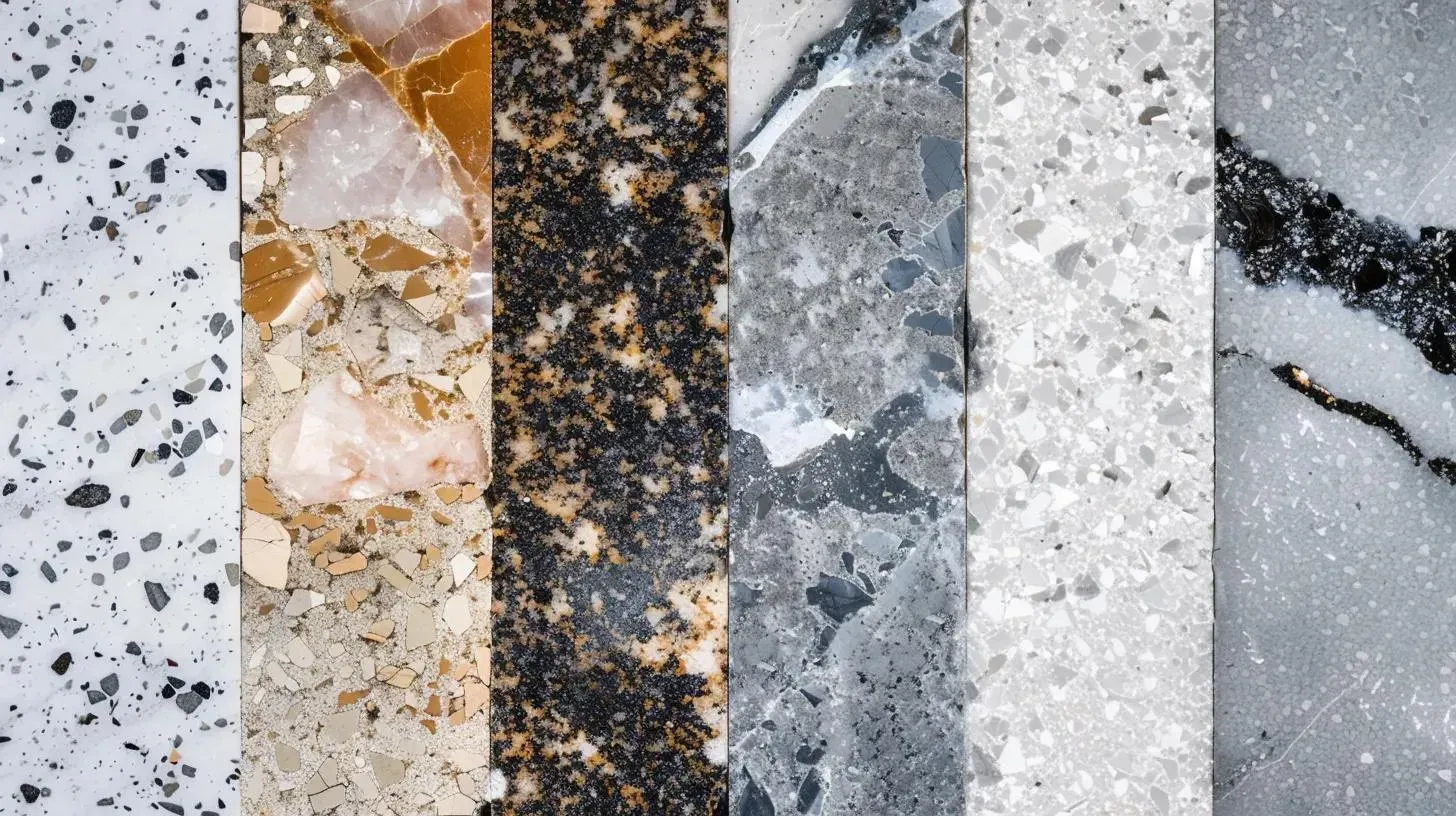
Quartz is the easiest path to “what you see is what you get,” because patterns are engineered for consistency. Granite and quartzite can look dramatically different from slab to slab—even within the same stone name.
If you’re choosing natural stone, the best practice is to choose from full slabs (or at least full-slab photos) and confirm where seams will land.
Quick checklist: how to shop slabs and avoid surprises
- View the actual slab(s) you’re buying (or request clear full-slab photos)
- Ask how many slabs your layout needs and whether the pattern will match across seams
- Confirm edge profile and thickness (it changes the look more than most people expect)
- Ask where seams will be placed and why
- Confirm sink cutout style (undermount vs drop-in) and faucet hole needs
Countertops affect your schedule because templates and installs must be coordinated with cabinets, sink/faucet, and backsplash decisions. The kitchen remodeling overview explains how Trustwork plans those dependencies.
Quartzite has “marble-like” looks—what’s the catch?
Which is best for a busy, low-maintenance kitchen?
Quartz is often chosen for low-maintenance living because it’s commonly described as nonporous and doesn’t typically require sealing.
Which is best if I cook with high heat a lot?
Many homeowners prefer natural stone (granite or quartzite) for kitchens where hot cookware is common—but good habits (trivets) are smart for any surface.
Do granite and quartzite always need sealing?
Not always. It depends on the specific stone and finish, and your supplier/fabricator can advise. Sealing is commonly used to improve stain resistance in natural stone surfaces. See “Sealing Stone” from the Natural Stone Institute.
Why do some people complain about “quartzite problems”?
One frequent issue is that slabs marketed as quartzite may be misidentified stone types with different performance characteristics. See “Definitive Guide to Quartzite.”
Next step
The best countertop choice is the one that matches how you live: maintenance tolerance, cooking habits, and the look you want day after day.
Kitchen remodeling overview (Denver metro).
External references
- Quartz basics (engineered stone + maintenance context).
- Quartz vs granite comparison (tradeoffs).
- Quartzite mislabeling explainer (consumer education).
- Natural stone sealing guidance.