Kitchen Remodel Permits in the Denver Metro: Do You Need One (and What Usually Triggers It)?
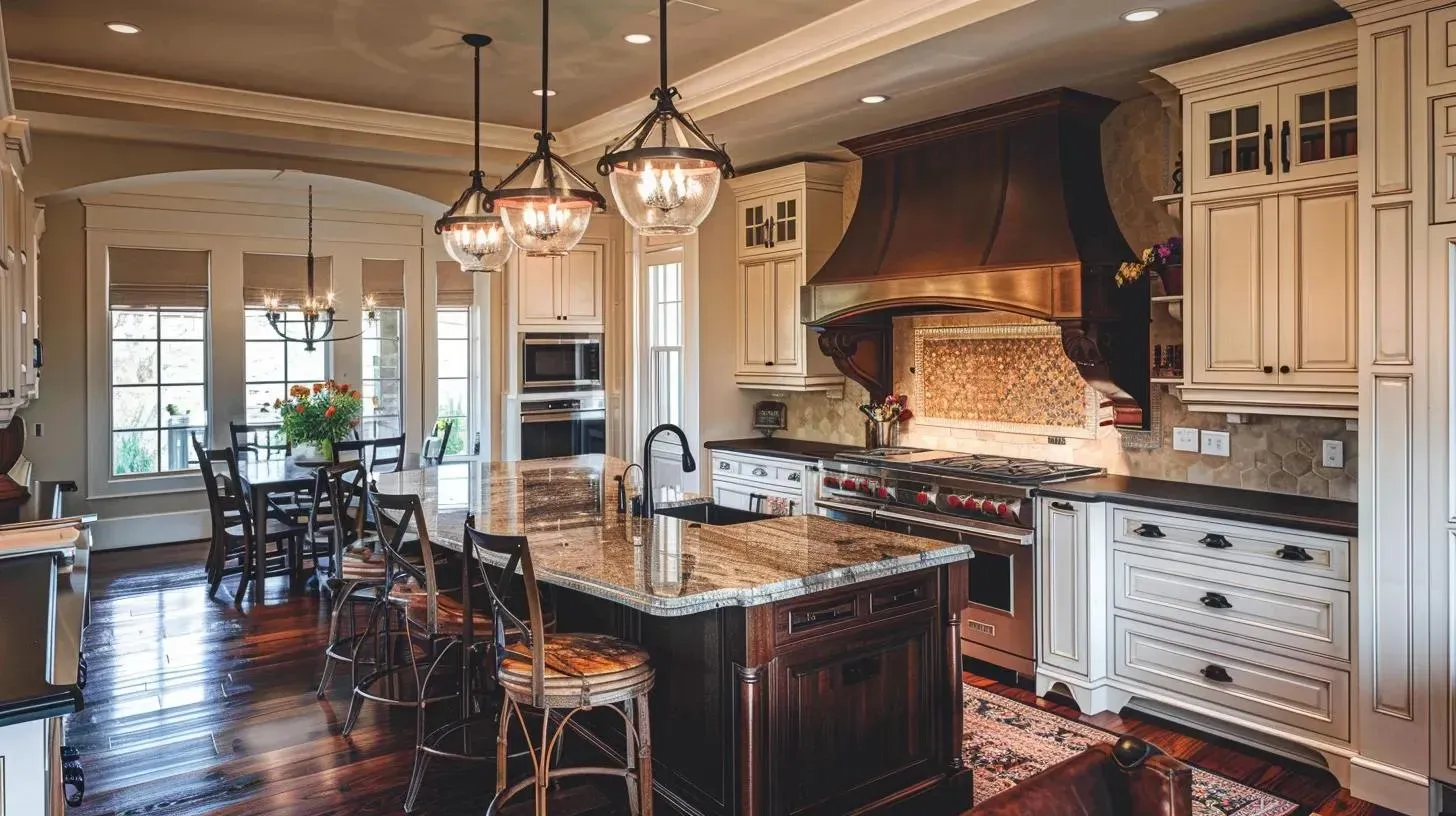
Permits are one of the biggest “timeline wildcards” in kitchen remodeling—especially when you change layout, touch plumbing/electrical, or uncover behind-the-walls work after demo. This guide helps you quickly figure out whether your kitchen remodel is likely to need permits in the Denver metro, what kinds of work usually trigger them, and what to confirm before you start.
If you’re planning a kitchen remodel in the Denver metro and want a scope-first, project-managed approach, start here. See
“Trustwork Home Renovations and Repairs –
Kitchen Remodeling.”
Do you need a permit for a kitchen remodel in the Denver metro?
Often, it depends on what you’re changing and which city/county your home is in (Denver, Boulder, Arvada, etc.). Many “finish-only” upgrades can be permit-exempt, while work that changes structure or building systems usually requires permits and inspections.
For example, Denver’s residential interior remodel guidance states that like-for-like replacement of existing cabinets, countertops, flooring, ventilation, and plumbing/electrical fixtures does not need a permit.
Boulder also notes that common “finish work” (including cabinets and countertops) generally does not require a permit, while emphasizing that specific code requirements or other conditions can change that answer. See “Building Permits and Inspections — City of Boulder.”
Because your jurisdiction matters, treat any online guidance as a starting point and verify with your city’s building department.
What kitchen remodel work usually triggers permits?
If your remodel changes the layout, structure, or mechanical/electrical/plumbing systems, permits are commonly required. Even when a cabinet-and-counter project sounds “simple,” it can trigger permits if it changes outlet locations, plumbing fixture locations, venting routes, or gas connections.
The easiest mental model is this:
- Cosmetic refresh in the same footprint → often permit-exempt
- Anything behind the walls or changing the footprint → likely permitted/inspected
Which permits might apply: building, electrical, plumbing, mechanical?
Different cities use different naming, but most kitchen remodel permits fall into these buckets. Use this table to classify your scope.
| Remodel scope | Typical permit bucket | Why it often triggers permitting | What to confirm before starting |
|---|---|---|---|
| Replace cabinets/counters like-for-like | Often none | Finish work in the same footprint can be exempt | Confirm like-for-like definition in your city |
| Move sink/dishwasher or add a new fixture | Plumbing | Changes water supply/drain/vent lines | Fixture location changes + inspection requirements |
| Add circuits, move outlets/switches, new lighting plan | Electrical | Changes wiring, circuit load, device locations | Whether panel work is needed; inspection steps |
| Change hood/vent route or add new ventilation | Mechanical | Venting impacts safety/airflow and code compliance | Duct route, termination location, and inspection |
| Remove/alter walls, change openings | Building/structural | Impacts structural load paths and fire/life safety | Whether engineering is required |
| Touch gas lines (range conversion/relocation) | Plumbing/mechanical (varies) | Gas work is tightly controlled for safety | Who performs it and how it’s inspected |
| Work in historic district / exterior changes | Landmark/zoning (varies) | Design review can be required before permits | Whether you need a separate approval first |
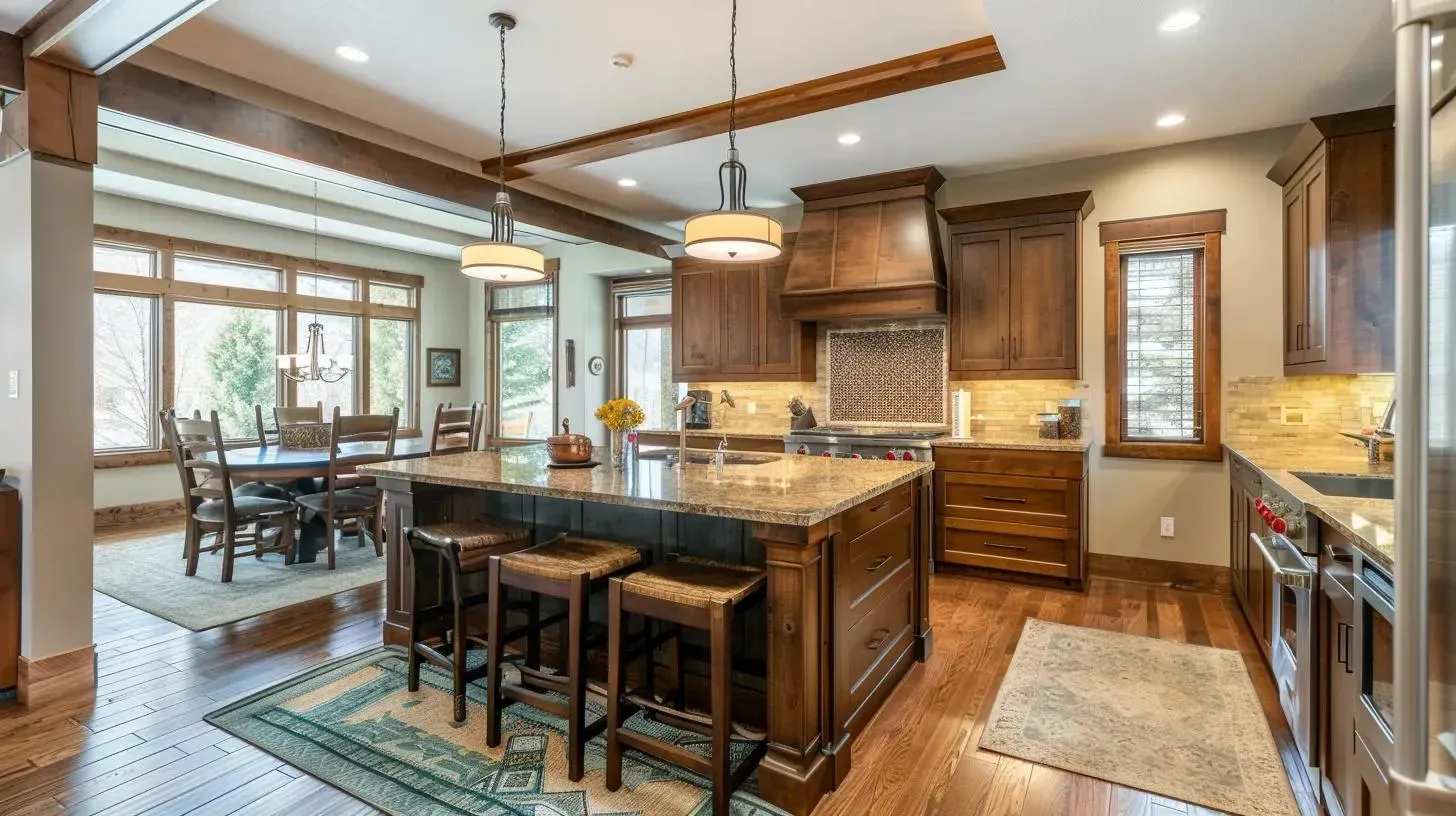
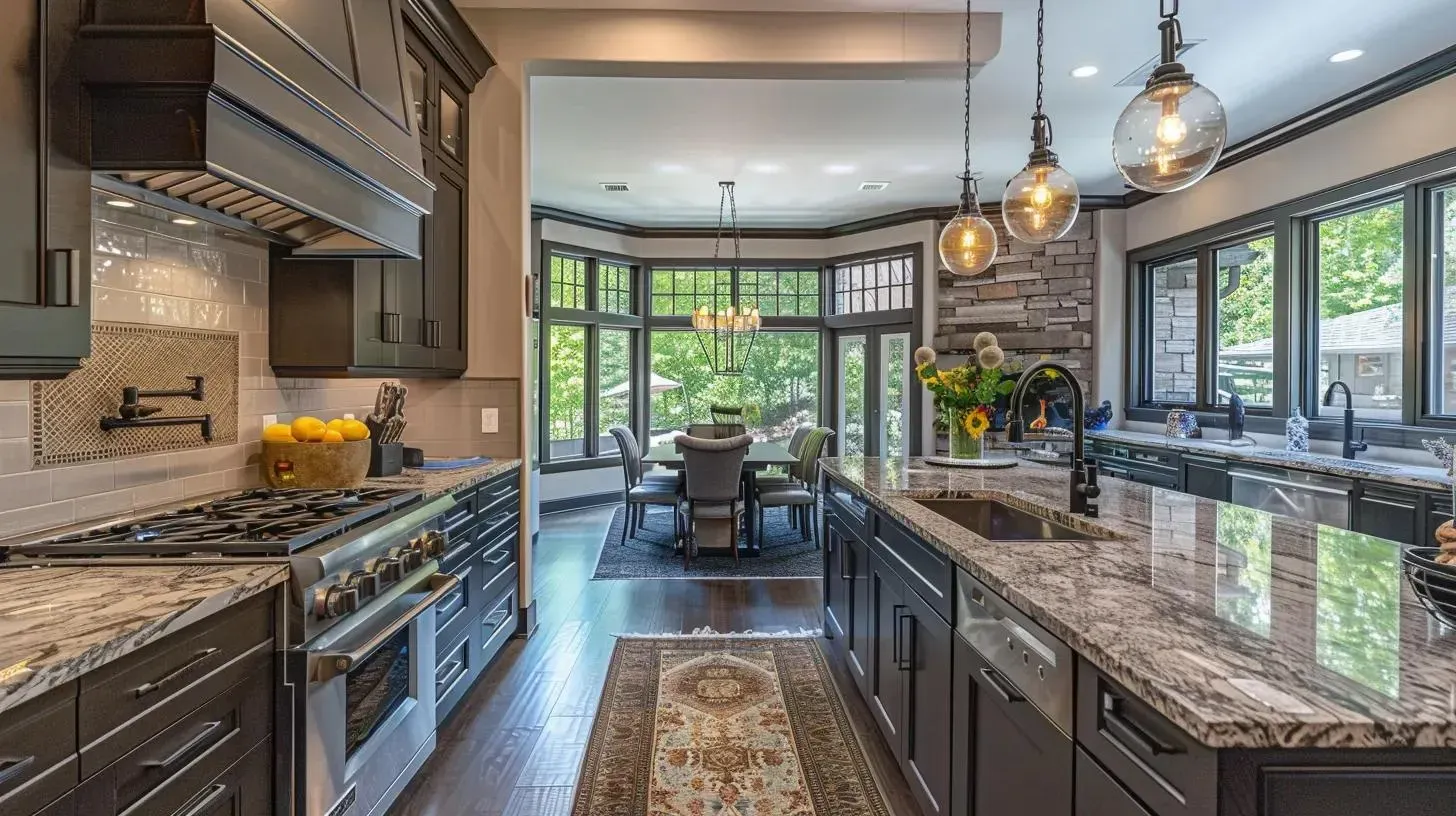
Mini-scenario #1 (likely permit-exempt): You’re replacing cabinets and countertops in the same layout, keeping the sink and range locations, and swapping light fixtures like-for-like. In many Denver-metro jurisdictions, this is commonly treated as finish work—still worth verifying, but often simpler.
How do you verify permit needs quickly (without getting stuck in the weeds)?
Start with a simple “permit trigger checklist.” If any answer is “yes,” you should verify permit needs before ordering materials or scheduling demo.
Permit trigger checklist (copy/paste)
- Are we moving the sink, dishwasher, or fridge water line?
- Are we changing the number/type/location of plumbing fixtures?
- Are we adding circuits, moving outlets/switches, or changing the panel?
- Are we changing the hood/vent route or installing new ventilation?
- Are we removing/adding walls or changing openings?
- Are we touching gas piping or converting fuel types?
- Is the home in a historic district, landmark area, floodplain, or another special overlay?
In Denver, you can also see how the city organizes residential permits and inspections here: Development Plan Review Permits and Inspections.
Who should pull the permit: you or your contractor?
In many cases, the contractor (or licensed trade) pulls the permit, because they’re responsible for the permitted work and they understand the inspection sequence.
If you plan to pull a homeowner permit, note that Denver’s homeowner permit rules include extra requirements—such as exams for electrical, plumbing, or mechanical/HVAC work.
The practical takeaway: if a project involves multiple trades, it’s usually smoother when permitting responsibility is clearly defined in the contract.
Common mistakes and red flags with permits in kitchen remodeling
- Starting demo before confirming permit triggers. If permits are needed, this can cause stoppages and rework.
- Assuming “it’s just cabinets” means no permits. Cabinets can cascade into electrical, plumbing, and venting changes.
- No written responsibility. If the contract doesn’t say who pulls permits, you can end up in a gray area.
- Work begins before inspections are planned. Inspections often happen at specific stages; missing them can force tear-outs.
- Pressure to “skip permits to save time.” That’s a decision that can complicate resale, insurance claims, and accountability.
Mini-scenario #2 (likely permitted): You want to move the sink to the island, add outlets for island seating, relocate the range, and run a new ducted hood vent. Even if finishes are straightforward, the plumbing, electrical, and venting scope usually means permits and inspections.
If you want to reduce “permit surprises,” the most helpful first step is a scope-first plan that lists what’s changing and what isn’t. The kitchen remodeling overview explains the process.
FAQ: kitchen remodel permits in the Denver metro
Do I need a permit just to replace kitchen cabinets?
Often, if it’s truly like-for-like and you aren’t changing utilities or walls, it may be permit-exempt in many jurisdictions. Always verify with your city’s building department, and confirm what “like-for-like” means where you live.
What about replacing a range hood?
Like-for-like replacement may be simpler than a new install, but venting route changes, new ducting, or new terminations can trigger mechanical permitting. Verify before ordering a hood.
Can permits change the remodel timeline?
Yes. Plan review and inspections can add time depending on scope and municipality. Your contractor should factor “permit/inspection requirements (project dependent)” into the plan.
If I don’t need a permit, do I still need to follow code?
Usually, yes. Many jurisdictions note that permit exemptions do not waive code compliance.
Does my home’s age matter for remodel safety rules?
Yes. For example, EPA rules apply to renovation work for compensation in homes built before 1978 when lead-based paint may be disturbed (especially during demolition and surface prep). See, Lead renovation repair and painting program.
Next step
Permits are easiest when they’re treated as part of the plan—not an afterthought. If you’re in the Denver metro and want a clear scope and next steps (including whether your project is likely to trigger permits/inspections), start here:
- Kitchen remodeling overview.
- Estimate request (city + photos + what’s changing).
- Contract checklist (to confirm responsibilities are written).
External references
- Denver residential interior remodel (permit guidance).
- Boulder building permits & what may be exempt.
- EPA Lead RRP overview (pre-1978 renovation safety).