Kitchen Remodel Budget: How to Set a Realistic Budget (Without Guessing)
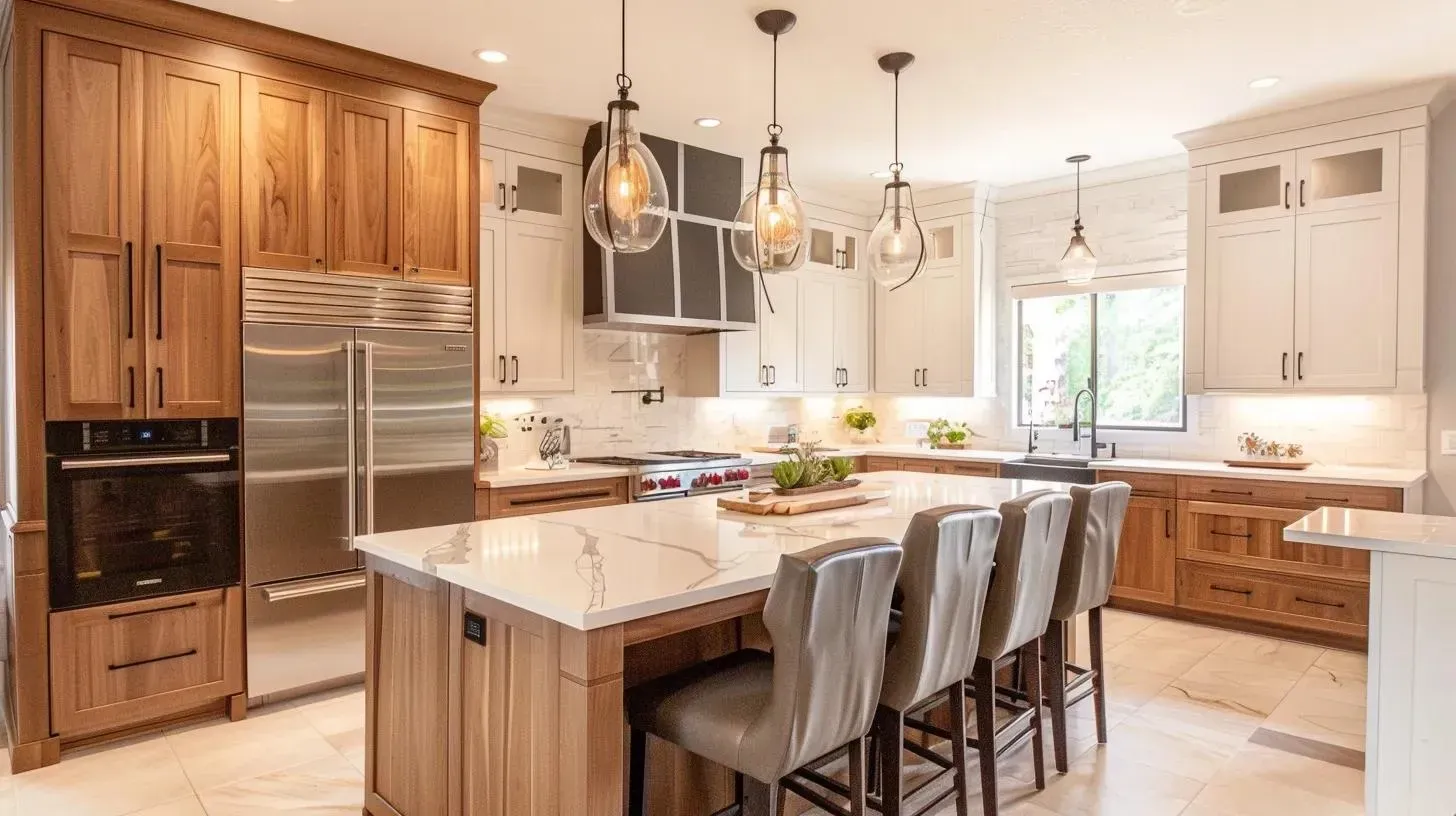
A “realistic” kitchen remodel budget isn’t a number you copy from the internet—it’s a set of decisions that match your scope, your priorities, and your tolerance for surprises. This guide shows a practical way to build a budget framework you can actually manage, without diving into local price ranges or turning this into a contractor-hiring checklist. If you’re planning a remodel in the Denver metro and want to see how a scope-first, selection-aware process works, start here. See “Trustwork Home Renovations and Repairs – Kitchen Remodeling.”
What are you actually budgeting for in a kitchen remodel?
You’re budgeting for more than finishes. A reliable budget includes the visible products you’ll pick, the labor to install them, and the “connector” work that makes everything function and look finished.
Most kitchen budgets include:
- Core components: cabinets, countertops, appliances, sink/faucet, flooring, backsplash
- Installation & labor: demo, install, trade labor, disposal/haul-off
- Behind-the-scenes needs: electrical/plumbing adjustments, ventilation, drywall/patch, subfloor fixes (scope-dependent)
- Finish details: trim, paint touch-ups, transitions, hardware, caulk/grout, punch items
- Fees & logistics: delivery, protection materials, possible permits/inspections (project-dependent)
When any one of these is missing from the plan, it usually reappears later as an “unexpected” add-on.
How do you pick a budget ceiling you can live with?
Pick a ceiling based on affordability and priorities—not averages. The goal is to set a cap that you won’t resent halfway through the project.
Use these decision filters:
- Affordability: What monthly/overall amount is truly comfortable for your household?
- Time horizon: Are you remodeling to live in it for years, or to refresh for a future sale?
- Priority alignment: Which 2–3 improvements matter most (storage, workflow, durability, hosting)?
- Flex room: Are you willing to change specs if costs rise, or do you need a hard stop?
Mini-scenario #1: A homeowner starts with “I want a bigger island.” After mapping daily use, they realize storage and traffic flow are the real pain points. They keep the existing appliance locations (a big cost lever) and reallocate budget toward a better cabinet layout and drawers that actually solve the problem.
Which decisions move the budget the most?
A few choices create big swings, while others are smaller “finish-level” adjustments. If you want control, focus on the decisions that change scope.
High-impact budget levers usually include:
- Layout changes: moving plumbing/electrical/venting often changes scope more than people expect
- Cabinet strategy: stock/semi-custom/custom levels and the amount of cabinetry
- Countertop complexity: material is only part of it—edges, seams, and cutouts matter too
- Appliance plan: sizes, ventilation needs, and whether you’re changing configuration
- Tile and finish complexity: large-format, patterns, niche details, and edge finishing
A helpful mindset: If a decision changes dimensions, rough-ins, or sequencing, it’s a budget lever.
How should you handle allowances so your budget stays honest?
Allowances are placeholders for items you haven’t chosen yet. They help you plan, but they can also hide risk if the allowance doesn’t match what you’ll actually pick.
What to do instead of guessing:
- Ask for allowances by category (fixtures, tile, lighting, hardware) with a clear assumed quality level.
- Keep a short “likely picks” list with links or screenshots so allowances stay grounded.
- When you upgrade one allowance category, decide what you’ll downgrade or reduce to stay balanced.
Checklist: allowance reality check
- The allowance states what it covers (quantity + unit assumptions)
- The allowance matches the style/quality you’re planning
- You know what happens if you pick over/under the allowance
- You’re not using allowances for dimension-driving items that should be specified earlier
Mini-scenario #2: A couple sets an allowance for lighting that fits basic fixtures. Later, they choose statement pendants plus under-cabinet lighting, and the “difference” shows up as an overage. When they reframe lighting as a priority choice (not a placeholder), they can adjust another category before it becomes a budget surprise.
What’s a practical way to allocate your budget across categories?
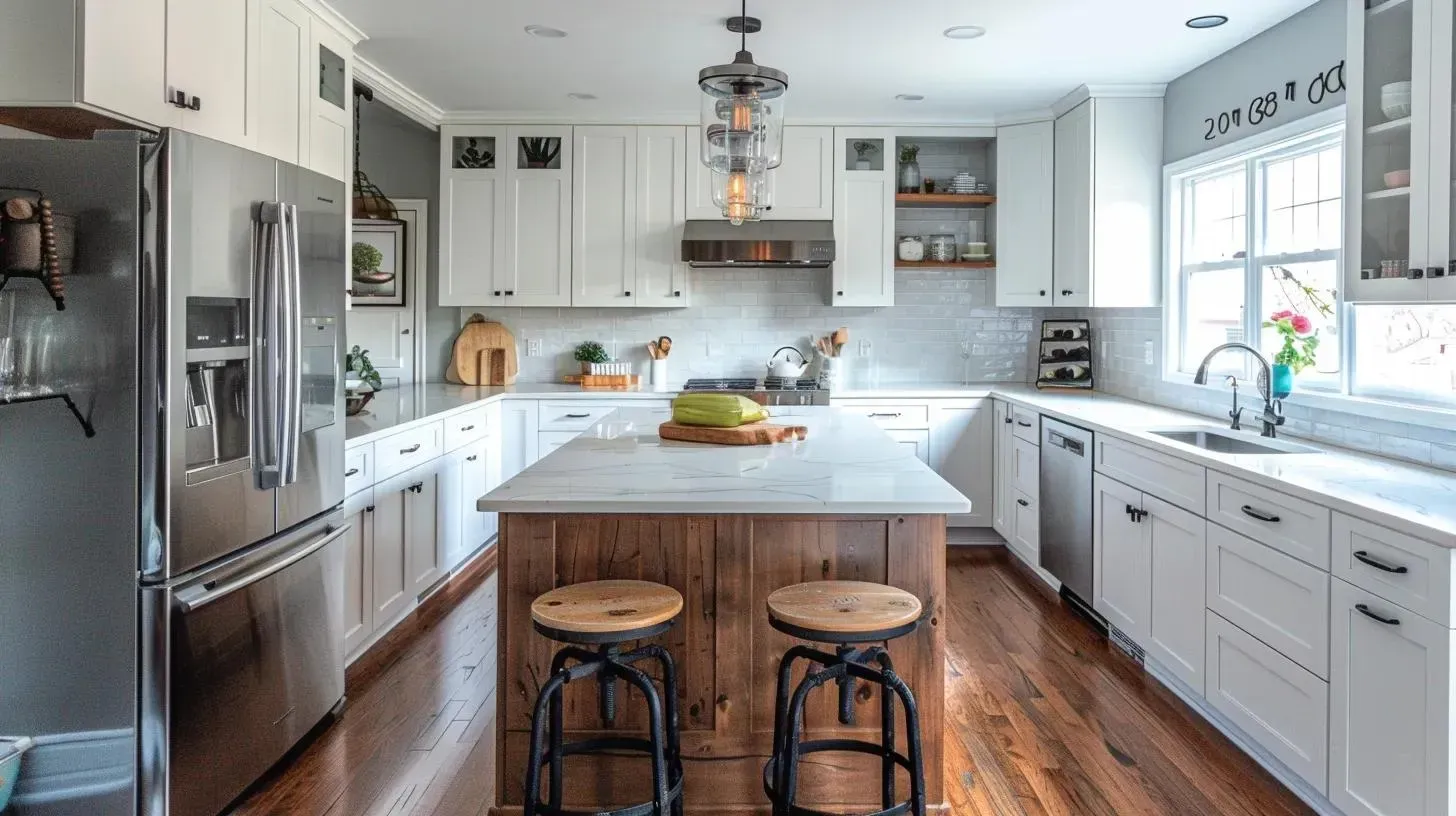
A category allocation prevents the two most common budget failures: overspending early and underfunding the boring-but-necessary work. One commonly cited worksheet (based on NKBA category percentages, shared by HGTV) can be used as a starting point—not a rule. See “HGTV Kitchen Budget Worksheet.”
Decision table: budget allocation worksheet (starting framework)
| Budget category | Starting share (example) | Your target ($) | Notes (what you’re assuming) |
|---|---|---|---|
| Cabinetry & hardware | 29% | ||
| Installation | 17% | ||
| Appliances & ventilation | 14% | ||
| Countertops | 10% | ||
| Flooring | 7% | ||
| Walls & ceilings | 5% | ||
| Lighting | 5% | ||
| Design fees | 4% | ||
| Doors & windows | 4% | ||
| Faucets & plumbing | 4% |
Use this as a balance check. If one category is far above your target (like cabinets or appliances), it usually means another category will need to come down—or the overall ceiling needs to rise.
If you want a scope-first remodel approach that connects selections to budget drivers, the kitchen remodeling page shows the types of decisions that affect cost and planning.
How do you plan for surprises without turning the budget into a wish list?
Treat “surprise money” as a separate line item, not as a shopping fund. The purpose is to protect you from unknown conditions and scope clarifications—not to quietly expand the project.
Two simple rules:
- Keep a dedicated contingency line that you don’t spend unless something is necessary.
- Keep a separate wish list of upgrades you’ll only do if the contingency remains unused.
If you find yourself using contingency for upgrades, you’re not managing risk—you’re changing scope.
What should you collect before requesting estimates or firm pricing?
You’ll get more useful pricing conversations when you can describe scope clearly. Even a small amount of prep reduces the “range-of-unknowns” problem.
Checklist: the budget-ready info packet
- A few photos (wide shots + close-ups of problem areas)
- Your “must keep / must change” list
- Rough measurements (room width/length; appliance sizes if known)
- Your top priorities (3 max) and your non-goals (what you don’t care about)
- Links/specs for anything you already chose (appliances, sink, faucet, tile style)
If you’re ready to send photos and selections for faster scoping, Trustwork’s estimate form explains what helps most.
What are the biggest budget mistakes and red flags?
Most budget blowups come from unclear scope and unmanaged decisions—not from one “bad” purchase.
Common mistakes:
- Using a single average number as your plan. Online averages vary wildly by scope and location.
- Not deciding priorities before shopping. You’ll overspend early and underfund essentials.
- Treating allowances like a free pass. If allowances don’t match your taste level, overages are predictable.
- Letting upgrades stack without tradeoffs. Every upgrade should have a corresponding “give.”
- Confusing contingency with discretionary money. If it’s risk protection, it must stay protected.
Red flags to watch for in early budget conversations:
- Big “all-in” numbers without category assumptions
- Allowances that seem too low for your stated finish level
- Missing line items for protection, disposal, or finish details
Quick FAQ: budgeting for a kitchen remodel
Is “cost per square foot” a good budgeting method?
It can be a rough sanity check, but it’s not reliable for decision-making. Kitchens are equipment- and finish-heavy, so two kitchens with the same size can have very different costs depending on scope and selections.
Should I budget more for cabinets or appliances?
In many remodels, cabinetry and installation tend to drive a large share of the total. The most practical move is to allocate by categories first and then decide what to prioritize within the cabinet and appliance plans.
What if I’m not ready to pick every finish yet?
That’s normal. The key is to specify the dimension-driving items early and use realistic allowances for the rest—based on the quality level you actually want.
If I’m considering financing, what should I be careful about?
Financing is a personal decision and terms vary widely. If you’re looking at home-equity products, the CFPB explains the basics here.
Next step
If your budget framework is defined (ceiling + priorities + category allocation), the next step is to turn it into a clear scope and selection plan.
- Kitchen remodeling pillar
- Estimate request (photos + notes)