Kitchen Remodel Cost in Denver Metro: Realistic Ranges and What Drives the Price
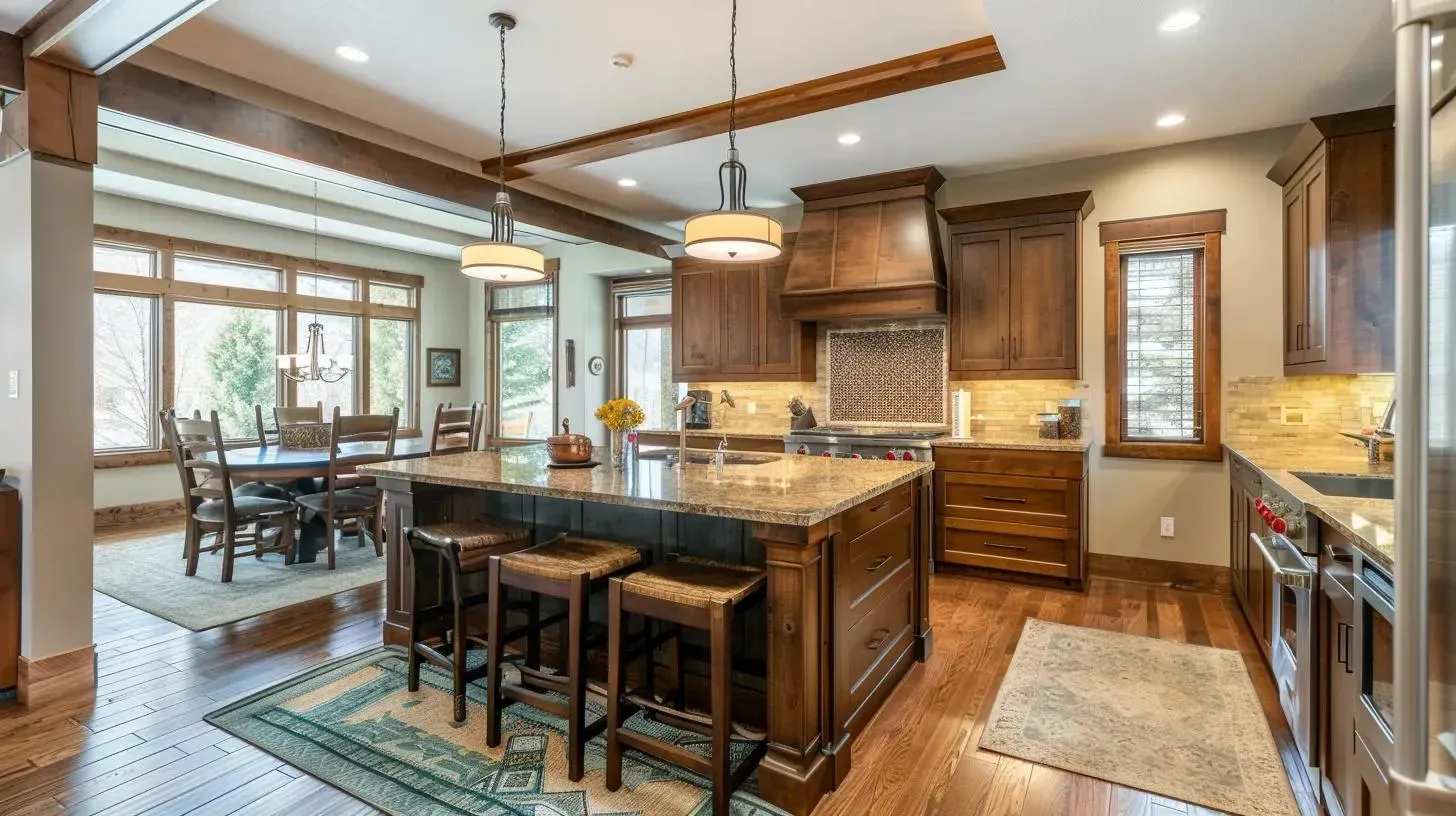
Kitchen remodel pricing in the Denver metro can feel confusing because two kitchens that look “similar” online can land in very different ranges once you factor in layout changes, cabinet scope, and older-home surprises. This guide gives you realistic Denver-market ranges by scope and shows the few decisions that move the number most. It’s meant to help you budget and plan—then get a precise quote based on your home and selections.
If you’re exploring a kitchen remodel in the Denver metro, start with Trustwork’s service.
What does a kitchen remodel cost in the Denver metro right now?
Most Denver-area kitchen remodels fall into a wide band because “kitchen remodel” can mean anything from a cosmetic refresh to a full reconfiguration. In today’s Denver market, you’ll often see projects cluster into minor/refresh, mid-range, and high-end/custom tiers—mainly based on whether the layout stays the same and what level of cabinetry and finish work is involved.
As a national comparison point (not Denver-specific), industry data used in the annual Cost vs. Value reporting often lists a minor remodel around the high-$20Ks, a major midrange around the low-$80Ks, and major upscale into the $160Ks+ range. Local pricing can be higher or lower depending on labor, materials, and the complexity of your home.
Decision table: Denver kitchen remodel cost ranges by scope (and what they usually include)
| Scope level | Common Denver-range band (ballpark) | Typically includes | Typically excludes / adds cost |
|---|---|---|---|
| Cosmetic refresh | $15k–$45k | Paint/finish work, targeted upgrades, some surface swaps, light fixture changes (often same locations) | Moving plumbing/electrical, new full cabinetry, significant drywall repair |
| “Minor” remodel (keep layout) | $25k–$55k | New counters + backsplash, cabinet updates (paint/reface or selective replacement), updated sink/faucet, basic lighting plan changes | Layout changes, major electrical upgrades, custom cabinetry, structural work |
| Mid-range remodel | $50k–$85k | New cabinetry (often semi-custom), countertops, backsplash, flooring coordination, appliance upgrades, modest layout tweaks | Full reconfiguration, high-end custom details, extensive framing/engineering |
| Major remodel with layout changes | $75k–$120k+ | Mid-range scope plus moving sink/range, rewiring/repiping where needed, ventilation changes, more drywall/patch work | Significant structural changes, luxury appliance packages, complex tile/trim |
| High-end / custom | $90k–$150k+ | Custom cabinetry, premium surfaces, statement lighting, detailed tile/trim, higher design complexity | Structural additions, specialty built-ins, significant engineering can push higher |
These ranges are broad on purpose. A “small” kitchen can still land high if it needs layout moves, electrical upgrades, or custom cabinetry.
What does “minor vs mid-range vs high-end” really mean in practice?
In real projects, the biggest dividing line is almost always layout stability. If the sink, range, and fridge stay in place, the project has fewer expensive dependencies. When those locations move, the remodel becomes a coordination-heavy project with more behind-the-walls work.
The second dividing line is cabinet scope and finish level. Cabinets are often a primary cost driver because they control the footprint, storage features, and installation labor—and they trigger other work (countertops, lighting, trim).
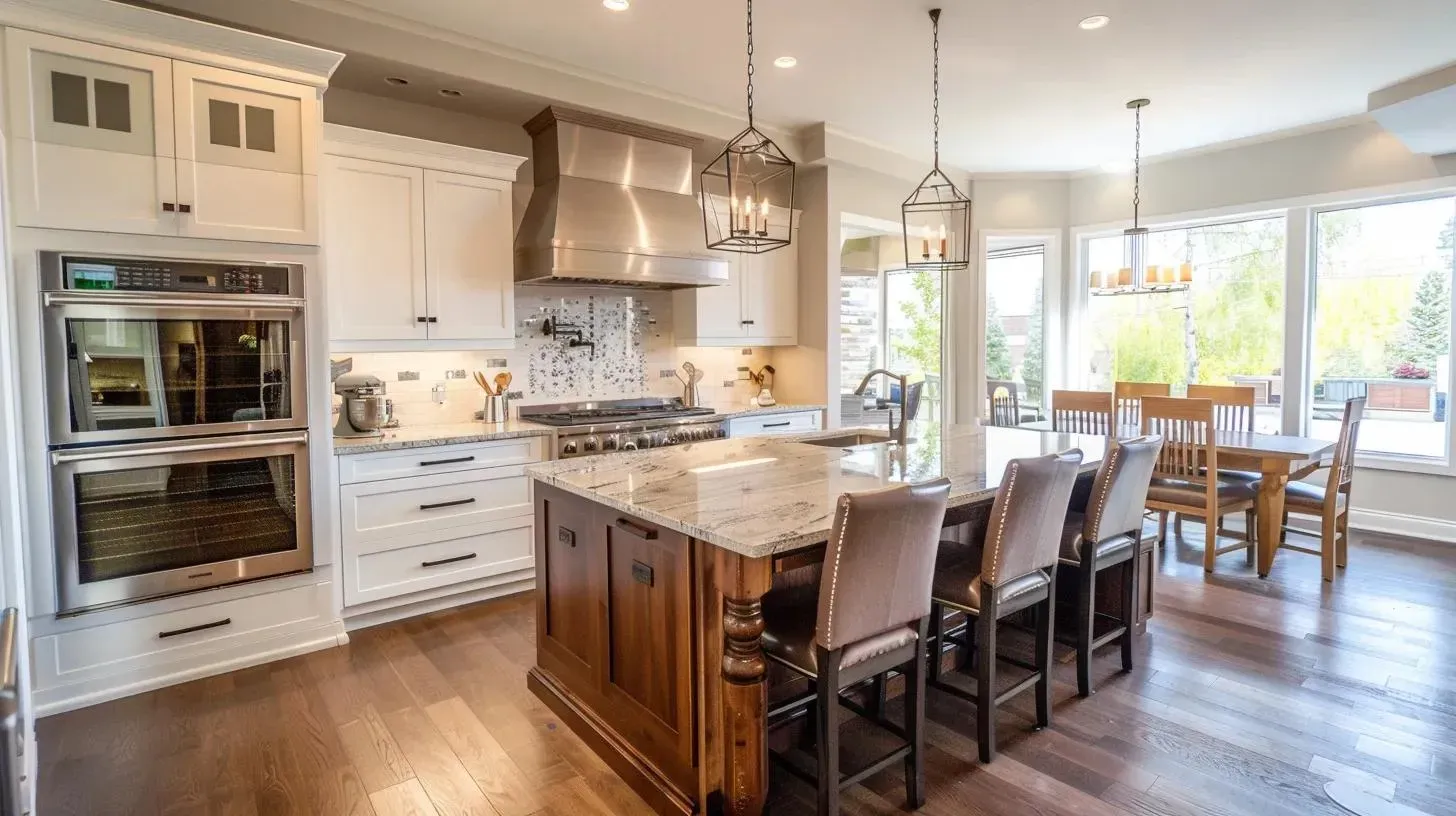
Which line items usually drive the price the most?
The largest cost swings typically come from a small set of categories:
- Cabinetry and storage features: stock vs semi-custom vs custom, and how many drawers/pullouts/corner solutions you add.
- Countertops and backsplash: material choice and complexity (edges, seams, full-height splash).
- Layout changes and rough-ins: relocating plumbing, electrical, gas, and ventilation.
- Flooring and subfloor prep: whether subfloor needs repair or leveling.
- Finish quality expectations: tile patterns, trim details, paint prep, and the “how perfect should it be?” standard.
If you want to see what Trustwork considers the biggest cost drivers, their kitchen remodeling page lists the same core categories (cabinets, countertops, layout changes, flooring prep, tile detail work, lighting, and finish level).
How can you turn a broad range into a reliable budget number?
A reliable budget comes from locking the decisions that control dimensions and rough-ins, then defining what’s included. You don’t need every finish chosen immediately, but you do need stable “dimension drivers” (appliance sizes, sink size, cabinet layout direction) so the scope is real.
Budget accuracy checklist (copy/paste)
- Decide whether the layout stays the same (sink/range/fridge locations)
- Choose appliance sizes and installation types (save spec sheets)
- Decide cabinet direction (stock / semi-custom / custom + drawer-heavy vs shelf-heavy)
- Pick countertop category (quartz vs stone vs laminate) and edge complexity direction
- Define backsplash scope (standard strip vs full-height)
- Decide flooring plan (replace/keep + transition plan)
- Identify any “known unknowns” (older-home electrical, subfloor concerns)
- Add a contingency for discoveries and scope changes (especially in older homes)
- Write down exclusions and optional alternates so “nice-to-haves” don’t silently expand scope
Mini-scenario #1 (predictable): A 1990s home keeps the same layout, chooses semi-custom cabinets, standard quartz, and a simple tile backsplash. Because appliance specs are confirmed early and the footprint stays stable, the project tends to stay close to its mid-range budget band.
Mini-scenario #2 (variable): A 1960s home wants to move the sink to the island and upgrade the ventilation plan. Once walls are opened, electrical and plumbing updates are needed to support the new layout. The project can move into the “major remodel with layout changes” band even if the finishes are not ultra-luxury.
What are the most common cost surprises in Denver-area kitchens?
Surprises are usually about what’s behind the walls and under the floor, especially in older housing stock. Even when you plan carefully, a kitchen remodel can uncover issues that were invisible before demolition.
Common surprise categories:
- Outdated wiring or panel capacity limitations
- Plumbing corrections or pipe condition issues
- Subfloor damage near sinks/dishwashers
- Ventilation route constraints
- Drywall and framing inconsistencies that affect cabinet install
The best way to reduce surprise cost is not “perfect prediction”—it’s a clear scope, early selection of dimension drivers, and an agreed approach for handling discoveries.
If you want a fast, accurate starting point, Trustwork’s estimate flow is designed around photos + scope + selections so you can get tighter numbers sooner.
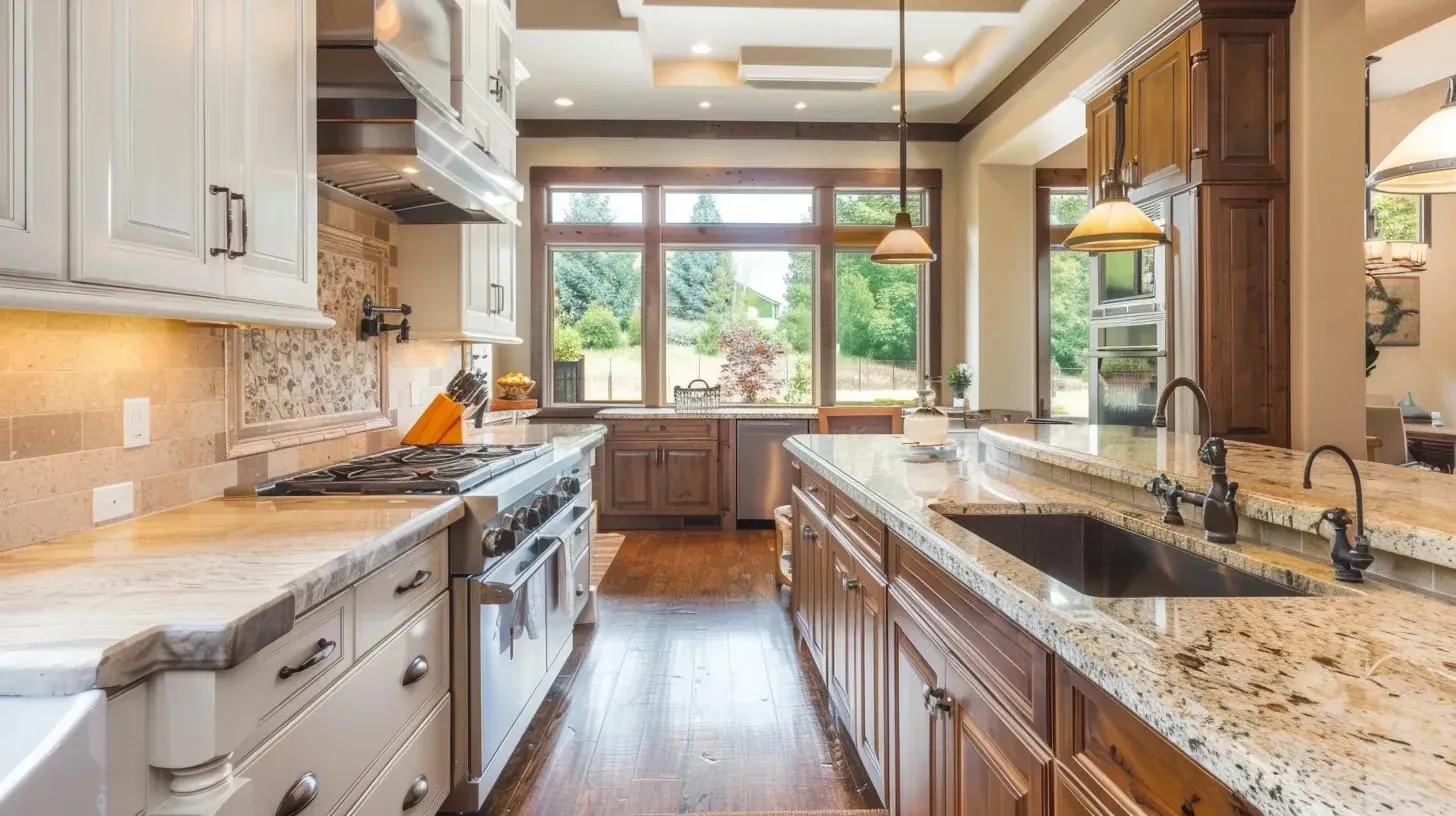
Common mistakes and red flags when budgeting a kitchen remodel
- Using national averages as if they’re local quotes. Use national figures for context, but budget from Denver-market ranges and your home’s reality.
- Changing appliance specs after cabinets are planned. This is one of the fastest paths to redesign and rework.
- Not defining what’s included. Vague scope language leads to “surprise add-ons.”
- Ignoring finish-detail labor. Complex tile patterns and trim details add labor even if materials aren’t expensive.
- No contingency in older homes. If you’re opening walls and floors, plan for discoveries.
- Too many mid-project upgrades (“while you’re here…”). Small additions stack up fast.
Quick FAQ: Denver kitchen remodel cost
Is $50,000 enough for a kitchen remodel in Denver?
Sometimes, yes—especially if the layout stays the same and finishes are selected strategically. Projects that move plumbing/electrical or require significant behind-the-walls work often need a larger budget band.
What’s the biggest cost driver in most kitchens?
Cabinet scope and finish level are commonly a primary driver, along with whether you change the layout (which triggers more trade work).
Is “cost per square foot” a good way to budget?
It can be a rough starting point, but it often misleads homeowners because a small kitchen with big layout changes can cost more than a larger kitchen with a stable footprint. Scope-based budgeting tends to be more accurate.
How do I get a more exact number without wasting time?
Have 6–10 photos ready (wide + close-ups), confirm your city, list what’s changing (layout/cabinets/counters/tile/flooring/lighting), and include any links to products you’ve already selected.
Next step
If you have a target budget band in mind, the next step is to align your scope and selections so the estimate reflects reality—not guesses.
- Kitchen remodeling pillar.
- Estimate request (photos + scope).
- Project gallery (see finishes and scope examples).