Remodeling a Kitchen in Stages: Pros, Cons, and a Phase Plan That Won’t Backfire
Yes, you
can remodel a kitchen in stages — and for some households it’s the only realistic way to upgrade without a full shutdown. The catch is that staged remodels only work well when you plan the
end state first (layout, appliance specs, and finish direction), then pick phase work that won’t force you to redo earlier steps. If you’re planning a
kitchen remodel
in the Denver metro and want a scope-first, project-managed approach.
Can you remodel a kitchen in stages without creating rework?
You can, as long as you treat a phased remodel like a single project with a master plan — not a series of unrelated mini-projects. The most common reason staged remodels “backfire” is that an early phase gets installed without confirming the future requirements (cabinet sizes, appliance clearances, electrical/vent needs, or finish continuity).
A good staged plan answers two questions up front:
- What does the final kitchen need to look and function like?
- Which upgrades can happen now without forcing you to undo them later?
When is a phased kitchen remodel a smart choice?
A staged remodel is usually a smart choice when your kitchen needs improvement but you can’t (or don’t want to) take it fully offline for weeks. It also helps when you’re spreading decisions over time while still moving toward a defined end goal.
Phasing tends to work best when:
- You’re keeping the same general layout (sink/range/fridge locations stay put).
- You can live with a “good enough for now” kitchen while you complete later phases.
- You want to upgrade usability (lighting, storage features, worn surfaces) without a full gut.
- You’re confident you can stick to one finish direction (so the kitchen doesn’t become a patchwork).
Phasing tends to be risky when:
- You expect big layout changes later.
- You’re unsure about appliance sizes or ventilation plans.
- You’re planning new cabinets later but want to do countertops or flooring now.
Which kitchen upgrades are safest to do in phases?
The safest staged upgrades are the ones that don’t depend on future cabinet geometry, countertop templating, or utility rough-ins. The riskiest staged upgrades are the ones that typically sit on a “critical path” with other components.
Decision table: what’s stage-friendly vs what often causes rework
| Upgrade youre considering | Stage-friendly? | Why it usually works (or doesnt) | How to make it safer if you stage it |
|---|---|---|---|
| Paint + minor wall repair | Yes | Low dependency on other components | Choose final paint direction (undertones) early |
| Lighting fixture swaps (same locations) | Usually | Minimal impact if you’re not moving wiring | Confirm final ceiling plan so you don’t buy twice |
| Hardware swap (knobs/pulls) | Yes | Doesn’t affect layout | Match finish direction to future faucet/lighting |
| Backsplash (behind existing counters) | Depends | Works if counters/cabinet heights won’t change | If new counters/cabinets are coming soon, wait |
| Appliances (like-for-like sizes) | Depends | Safe if size/requirements won’t change later | Save spec sheets and lock sizes before any cabinetry plan |
| Flooring | Sometimes | Risky if future cabinets/layout will change | If future cabinet changes are likely, wait or plan transitions carefully |
| Countertops | Often risky | Counters tie into sink, backsplash, and cabinet alignment | Only stage if cabinets/layout are staying for a long time |
| Cabinets | Usually the big phase | Cabinets drive counters, lighting, flooring edges, and clearances | Treat cabinet phase as the point where the whole plan locks |
If you want a reliable planning reference for clearances and activity centers that affect staged decisions, NKBA kitchen planning guidelines are a helpful .
What should you decide once so the whole staged plan stays cohesive?
The difference between “phased” and “piecemeal” is a single set of decisions that remain stable through all phases.
Lock these early so later work doesn’t force rework:
- Final layout intent: are you keeping the main appliance locations, or is a future move likely?
- Appliance plan: sizes, door swings, and key install requirements (save spec sheets).
- Cabinet direction: door style + finish tone (warm/cool), and whether you’ll do drawers/pullouts.
- Countertop direction: material category + edge style direction (even if you choose exact slab later).
- Finish palette: 2–3 metals max (e.g., faucet + hardware + lighting) so phases match.
- Lighting plan: overall brightness + task lighting goals (so you don’t “solve it twice”).
- Vent/hood approach: at least confirm whether ducting changes are likely.
A quick way to keep this cohesive is to create a one-page “finish bible” (photos + notes) that you revisit before every new phase.
How do you plan phased work so the kitchen stays usable?
A staged remodel is easier to live through when each phase ends with a fully functional checkpoint (water, cooking, and basic storage still work). You’re aiming for “complete enough to live with,” not “half-installed.”
Phased remodel planning checklist (copy/paste)
- Define the end-state plan (layout + appliance sizes + finish direction)
- Identify your non-negotiables (what must be fixed first)
- Choose phase 1 work that won’t block phase 2 (avoid critical-path conflicts)
- Confirm what must stay functional after each phase (sink, fridge, cooking)
- Decide where temporary storage and prep will happen during each phase
- Document specs (appliances, sink, faucet, lighting) in one shared place
- For every phase: list what gets removed, what gets installed, and what “done” means
- Before starting a new phase: confirm it won’t undo the previous one
Mini-scenario #1 (phasing that works): A homeowner keeps the layout but wants better daily function. Phase 1 replaces lighting and adds under-cabinet task lighting, updates paint, and swaps hardware to match the future finish direction. Phase 2 is the main cabinet + countertop phase later. Because the end-state finish direction was defined early, phase 1 doesn’t get redone.
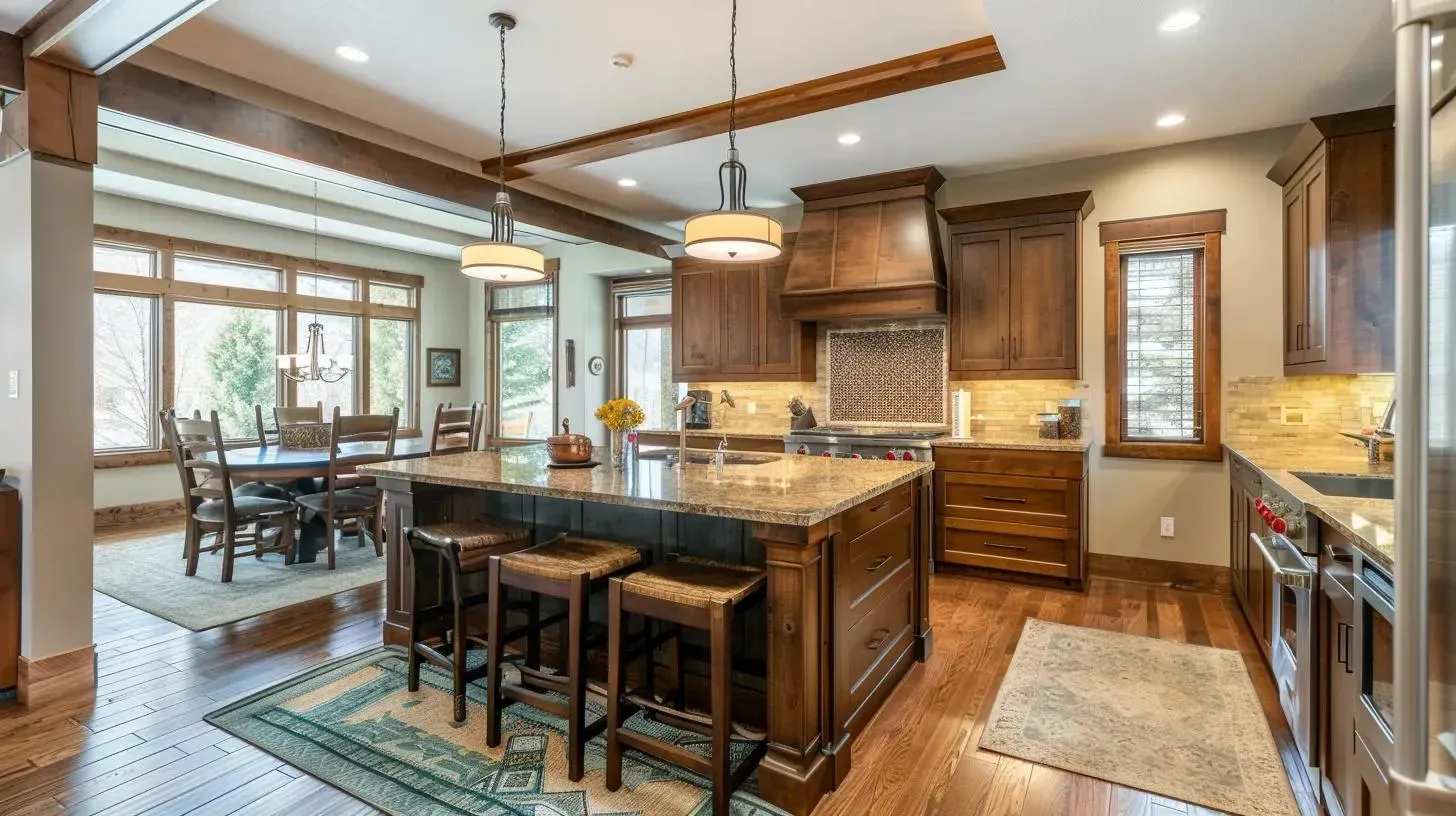
If you want to see real examples of “small phase” upgrades and full transformations, browse the project gallery.
What are the common mistakes and red flags with staged kitchen remodels?
Staged remodels fail in predictable ways. If you spot these patterns, pause and reset the plan before you spend more.
- No end-state plan. If you can’t describe the final layout and finish direction, you’re not “phasing” — you’re guessing.
- Doing counters before confirming the cabinet future. Countertops are hard to reuse if cabinet geometry changes.
- Flooring without a transition plan. If future cabinets or layout changes are likely, flooring becomes a patchwork or a redo.
- Buying “temporary” finishes you won’t want later. Temporary choices often become permanent because nobody wants to redo them.
- Mismatched metals and undertones. Phases look inconsistent when each purchase is made in isolation.
- Repeated mobilization and disruption. Multiple phases can mean repeated dust/noise/worksite weeks.
If your plan includes repeated demolition over time, be especially careful about dust control and jobsite protection. A phased plan should still include clear containment and cleanup expectations.
Mini-scenario #2 (phasing that backfires): A homeowner installs new countertops now, planning to “do cabinets later.” When the cabinet phase starts, they realize the old cabinet boxes aren’t level and the new cabinet layout needs different dimensions. The countertops can’t be reused without compromises, so they either redesign around the old counters or pay for a redo.
FAQ: remodeling a kitchen in stages
What should I do first if I’m remodeling in phases?
Start with an end-state plan (even a simple one) and pick a phase that doesn’t lock you out of better changes later. Paint, lighting swaps, and hardware are common “safe starts,” while cabinets/counters usually need more commitment.
Can I do cabinets now and countertops later?
Sometimes, yes — but it can leave you without a durable work surface for a while. If you stage it, define what your “functional checkpoint” looks like between phases.
Should I do flooring before cabinets in a phased remodel?
It depends on your scope and whether cabinets/layout are changing. If cabinets are likely to move or change later, flooring first can create transition headaches. A staged plan should decide how flooring edges and transitions will be handled before work begins.
How do I keep staged work from looking mismatched?
Limit your palette early (cabinet tone, countertop direction, and metal finishes) and keep a one-page reference you use before every purchase.
For more staged-remodel planning perspective, Houzz has an in-depth series on remodeling a kitchen in stages. See “Remodeling Your Kitchen in Stages: Planning and Design.”
Next step
If you’re considering a phased remodel, the most helpful next step is to scope your end state and identify which phase gets you the biggest usability win without locking you into rework.
- Kitchen remodeling pillar.
- Estimate request (photos + goals).