Kitchen Remodel Timeline: How Long Each Phase Typically Takes
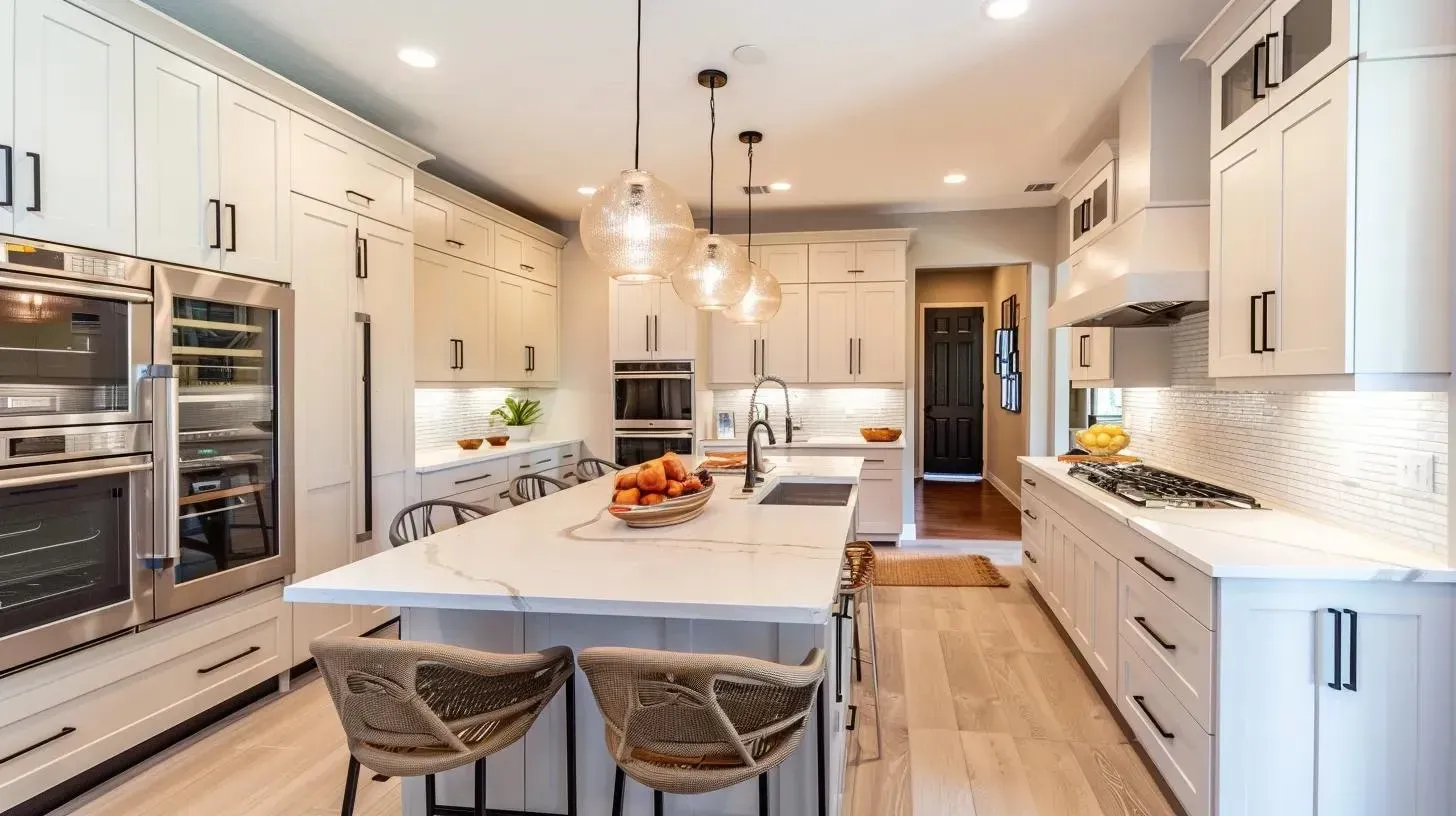
If you’re planning a kitchen remodel, the most useful timeline isn’t one “total number” — it’s how long each phase tends to take and what has to happen before the next phase can start. This guide breaks the process down from planning through the final walkthrough so you can set realistic expectations and plan life around the disruption.
If you’re exploring a kitchen remodel in the Denver metro, start with the service overview here. See
“Trustwork Home Renovations and Repairs –
Kitchen Remodeling.”
What’s a realistic end-to-end timeline for a kitchen remodel?
Most kitchen remodels land somewhere between “a few weeks” and “a few months,” depending on how much you change and how quickly decisions and materials come together. Many homeowners find that on-site work (when your kitchen is actively under construction) is often measured in weeks, while the full project (planning + ordering + construction + punch list) can stretch into months.
A practical way to estimate your schedule is to match the project scope to a typical timeline range, then add buffer time for surprises and backorders.
| Project scope (decision helper) | Typical on-site construction time | Typical lead time before demo | What usually drives the timeline |
|---|---|---|---|
| Quick refresh (paint, hardware, minor carpentry, small installs) | 1–2 weeks | 0–2 weeks | Trade availability + drying/curing time |
| Replace surfaces (countertops/backsplash/flooring) with same layout | 2–4 weeks | 2–6 weeks | Template/fabrication windows + material availability |
| Full kitchen update (cabinets + counters + appliances) with same layout | 6–10+ weeks | 4–10+ weeks | Cabinet lead time + sequencing trades |
| Full gut + layout changes (moving plumbing/electrical, walls, windows) | 8–12+ weeks | 6–12+ weeks | Added rough work, inspections, specialty trades, longer lead times |
The key: your “critical path” is often cabinets → countertop template → countertop install. If anything in that chain slips, the whole schedule slides.
Which parts are “lead time” vs. “on-site time”?
A kitchen remodel has two clocks running. Lead time is everything that happens before demo (design decisions, measurements, ordering, and scheduling). On-site time is the construction period inside your home.
Most timeline stress comes from treating lead time like it’s optional. If demo starts before major materials are ordered (or confirmed available), you can end up living with a torn-out kitchen while everyone waits.
Here’s a simple “timeline logic” you can use:
- Lead time tasks set up the job so construction can run without pauses.
- On-site tasks follow a strict sequence; many trades can’t start until the previous one finishes.
Checklist: timeline readiness (to keep the schedule from slipping)
- Confirm all selections that affect cabinet sizes (appliances, sink, faucet, hood specs).
- Verify cabinet delivery date (or confirm stock availability) before scheduling demo.
- Confirm countertop process windows (template + fabrication + install).
- Decide where the temporary kitchen will live (fridge, microwave, coffee, dishwashing plan).
- Clear cabinets and adjacent areas; plan dust containment routes.
- Set a weekly check-in rhythm with your project lead (same day/time each week).
If you’d like help mapping your scope to a realistic schedule, you can request an estimate here.
How long does planning and design usually take?
Planning and design can be as short as a couple weeks for a straightforward refresh, or several weeks (sometimes longer) for a full redesign with multiple selections. The biggest driver isn’t the drawing time — it’s decision time.
If you want to move faster, focus on the “design freeze” point: the moment you stop changing appliance specs, cabinet layout, and fixture locations. Every late change can cascade into rework and reordering.
Mini-scenario #1 (fast-track):
A homeowner keeps the same layout, chooses stock cabinets and a standard sink size, and confirms appliance specs early. Lead time stays short because the cabinet order is simple and there’s minimal coordination.
How long do demolition and rough-in work take?
Demolition is usually measured in days to about a couple of weeks depending on how much you’re removing and whether there are surprises behind the walls. Rough-in work (the “behind the walls” plumbing/electrical/HVAC adjustments) typically follows and can take additional days to a couple of weeks depending on how much moves.
This phase feels slower because progress is less visible — but it’s the foundation for everything that comes after.
Common rough-in triggers that add time:
- Moving sink/dishwasher locations
- Adding circuits for appliances
- Upgrading ventilation or lighting plans
When do cabinets and countertops happen, and why does that timing matter?
Cabinets and countertops are usually the timeline’s bottleneck because they require precise measurements and a specific sequence. Countertops typically can’t be templated until base cabinets are installed (and leveled), and many finish items can’t be completed until countertops are in.
A phase-by-phase view can help you spot the dependencies:
| Phase (process map) | What happens | Typical time range (varies by scope) | What must be true before it starts |
|---|---|---|---|
| Site protection + demo | Protect floors, isolate dust, remove old kitchen | Days–2 weeks | Materials ordered/confirmed; site access planned |
| Rough-in + framing | Adjust plumbing/electrical/HVAC; framing changes if any | Days–2+ weeks | Demo complete; decisions frozen |
| Close-in surfaces | Drywall/patching, prep, prime | Days–2 weeks | Rough-in complete |
| Cabinets | Deliver, set, level, secure | Several days–2 weeks | Floors/walls ready; cabinet order correct |
| Countertops | Template → fabricate → install | 1–3+ weeks total | Cabinets installed + leveled |
| Finishes + punch list | Backsplash, trim, paint touch-ups, hardware, final adjustments | Days–2+ weeks | Countertops installed; fixtures on site |
Two practical tips that keep this phase from expanding:
- Confirm appliance specs early (they affect cabinet sizing and clearances).
- Treat countertop templating as a scheduled milestone — not a “whenever” task.
How long do finishing steps take before you can cook again?
You’ll often regain “basic function” before the project is fully complete. Many kitchens become usable once appliances are connected and the sink is live — even if backsplash, paint touch-ups, and punch list items are still in progress.
Typical “functional milestones” to plan around:
- First day you can plug in fridge/microwave again
- First day the sink is usable
- First day the range/oven is connected
Mini-scenario #2 (longer finish):
A homeowner chooses a tile backsplash with a complex pattern and waits on special-order lighting. The kitchen becomes functional after countertops and appliance hookups, but finishing work extends while tile cures and fixtures arrive.
What are common timeline delays and red flags to watch for?
Most delays come from the same handful of issues: late decisions, missing materials, or sequencing breakdowns. Watching for these early can save weeks.
Common mistakes / red flags
- Starting demolition before confirming cabinet and countertop lead times
- Changing appliance specs after cabinets are ordered (sizes/vents/power needs)
- Not scheduling countertop templating as soon as cabinets are installed
- Too many mid-project scope changes (“while you’re here…”)
- No single point of accountability for schedule coordination
If any of these are happening, add buffer time immediately — and reset expectations before frustration builds.
Kitchen remodel timeline FAQs (the questions homeowners ask most)
Can I live at home during a kitchen remodel?
Usually, yes — but plan for disruption. Expect noise, dust control measures, workers moving through the home, and stretches where your kitchen is out of service.
How long will my kitchen be unusable?
Often the kitchen is fully “down” for a meaningful portion of construction, especially during demo through cabinet/countertop install. Planning a temporary kitchen setup makes this period far easier.
Do floors go in before or after cabinets?
It depends on the flooring type and the remodel plan. Many projects install flooring either before cabinets (common for continuous flooring looks) or after base cabinets to reduce material under cabinets. Your project plan should decide this early because it affects scheduling.
How long do countertops take after templating?
Fabrication time varies widely by material, shop workload, and edge/detail complexity. The important planning point is that templating usually can’t happen until cabinets are installed and level.
What’s the fastest way to keep the timeline from slipping?
Lock in the decisions that drive cabinetry and rough-in work (appliance specs, sink/faucet, layout), confirm key delivery dates, and keep a weekly check-in cadence so small issues don’t become multi-week pauses.
Next step if you’re planning your own kitchen remodel
If you want a schedule that fits your scope (and your life), start with the kitchen remodeling overview here.
If you’re ready to share photos/video and get next-step guidance, you can request an estimate here.
For inspiration and before/after examples, see: Project Gallery
References (non-competitive, high-trust)
- How long does it typically take to remodel kitchen?
- Renovation timeline planning tips.
- Planning-guidelines.
- How to do a full kitchen remodel?