Kitchen Storage Planning for a Kitchen Remodel: How to Design Cabinets That Actually Work
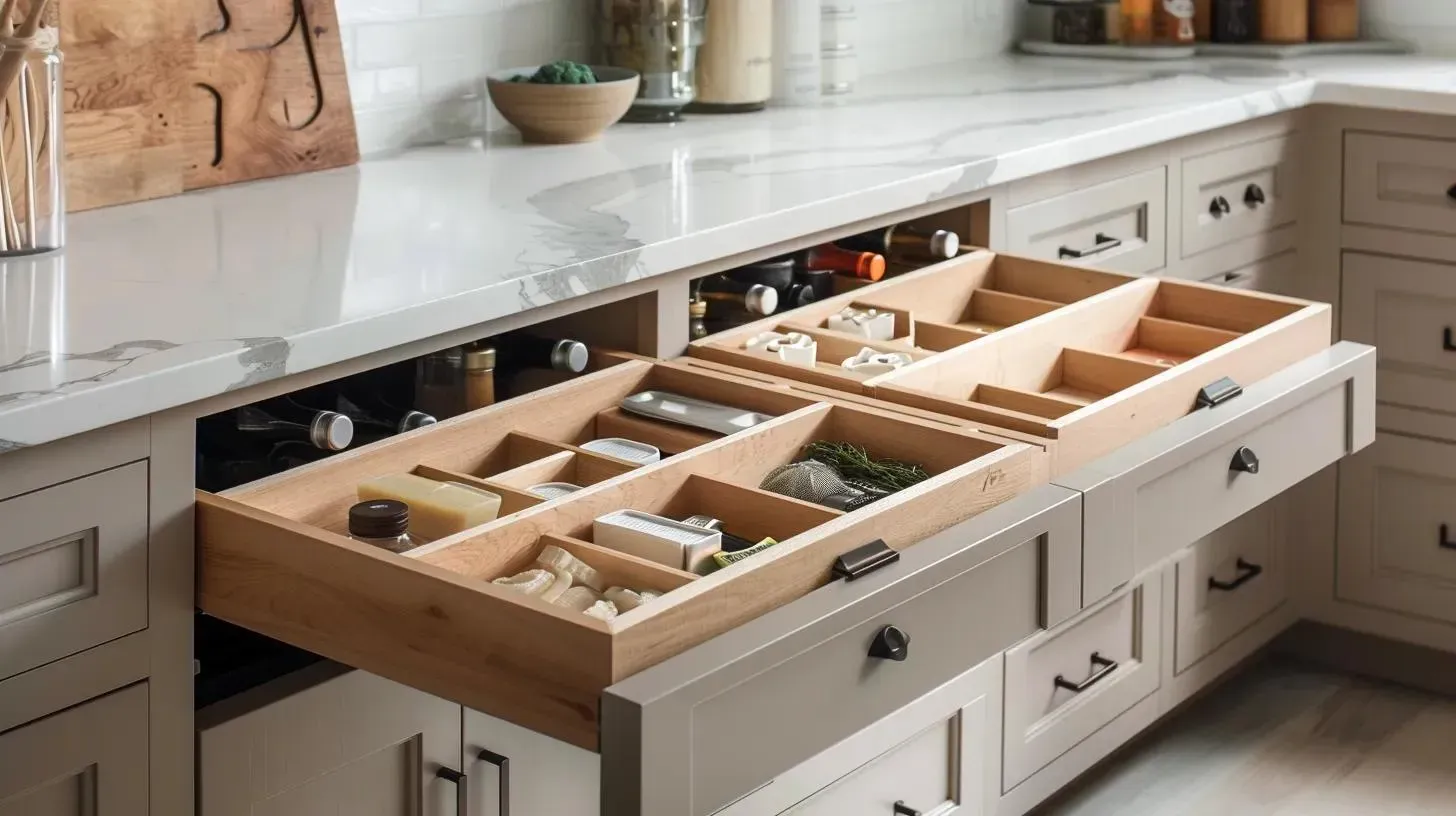
Kitchen storage problems usually aren’t about “not enough cabinets” — they’re about storing the wrong things in the wrong places. This guide helps you plan storage before you finalize cabinets so daily tasks (unloading the dishwasher, cooking, packing lunches) feel easier. We’ll focus on inventory, zones, and cabinet features — not pricing, permits, or hiring advice.
If you’re exploring a kitchen remodel in the Denver metro, start with the service overview here.
How do you inventory what you actually need to store?
Start by listing what you own and how often you use it. Storage planning works when it’s based on reality (your pans, your small appliances, your habits), not generic “kitchen ideas.”
A fast way to inventory without making it a weekend project:
- Pick 10 minutes per category: dishes, glasses, pots/pans, food storage, small appliances, pantry staples, baking, cleaning.
- For each category, mark items as daily / weekly / seasonal.
- Circle anything that’s oversized (stand mixer, air fryer) or awkward (baking sheets, cutting boards).
If you prefer a structured worksheet, the NKBA-style storage inventory checklist is a helpful starting point.
Mini-scenario #1: A homeowner thinks they need a bigger pantry. During inventory, they realize the real issue is “miscellaneous overflow” — duplicate containers, party platters, and rarely used gadgets taking prime space. They plan one tall cabinet for pantry staples and move seasonal serveware to higher/less convenient storage.
How do you plan storage by zones so everyday tasks feel smoother?
Plan storage around the tasks you repeat most: unloading, prepping, cooking, and cleaning. When storage follows zones, you stop walking laps for basic steps.
A simple zone approach that works in most kitchens:
- Cleanup zone: sink + dishwasher + trash/recycle + towels
- Prep zone: your primary counter + knives + mixing tools + cutting boards
- Cooking zone: range/cooktop + utensils + spices/oils + pots/pans
- Food storage zone: fridge + pantry staples + lunch items
A helpful reference for the “three centers” approach (fridge, sink, range) and how to group your kitchen around activity zones is here. See “The Big Guide: Know the 3 Zones of Kitchen Storage.”
Where should the “unload the dishwasher” storage go?
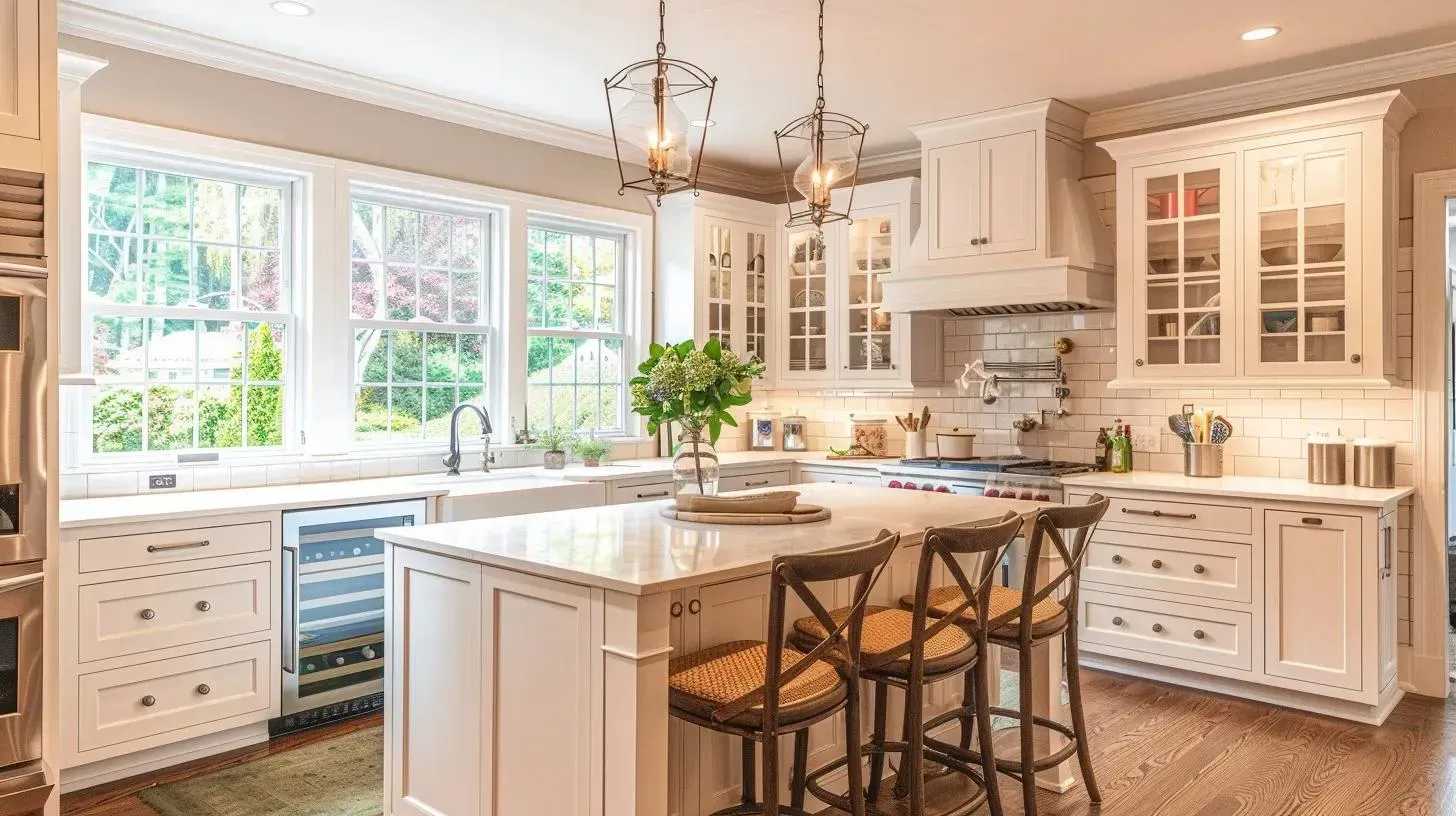
Put everyday dishes, glasses, and flatware within a few steps of the dishwasher (or the sink if you don’t have one). This is one of the highest-impact storage decisions because it affects the most frequent kitchen task.
Quick rule of thumb:
- Store plates/bowls closest to the dishwasher
- Store glasses/mugs near the dishwasher and beverage area
- Store flatware in a drawer that’s easy to reach while unloading
If your kitchen is open concept, this also helps keep cleanup from spreading across the room.
Drawers or shelves — which is better for base cabinets?
In most kitchens, drawers win for daily-use items because you can see everything at once and reach the back without kneeling. Shelves can still make sense for specific categories — but use them intentionally.
Decision table: match storage types to what you store
| What you’re storing | Best cabinet type | Why it works | Common regret if you choose wrong |
|---|---|---|---|
| Pots, pans, lids | Deep drawers | Heavy items stay accessible and visible | Stacking in a deep base cabinet becomes a daily hassle |
| Plates and bowls | Wide drawers or roll-out trays | Easy unloading + fewer break risks | High shelves make daily dishes annoying |
| Food containers | Medium drawers with dividers | Keeps lids/containers from becoming chaos | Random shelves turn into a plastic avalanche |
| Baking sheets & cutting boards | Vertical tray divider | Prevents warping and digging | Laying flat creates constant reshuffling |
| Small appliances | Appliance garage / tall cabinet / pull-out shelf | Keeps counters clear without hiding items forever | Storing bulky items too low makes them disappear |
| Cleaning supplies | Under-sink pull-out / caddy | Keeps items contained and reachable | Loose bottles under the sink get messy fast |
If you like a deeper pros/cons read on drawers vs shelves, this overview is useful context. See
“How to Decide Between Drawers vs Shelves for Your Cabinets.”
What cabinet features make the biggest difference (without adding clutter)?
Choose features that solve a real pain point from your inventory. More accessories aren’t automatically better — the best features remove friction for daily tasks.
High-impact features to consider:
- Trash/recycle pull-out near the prep zone
- Deep drawers for cookware
- Vertical tray storage for sheets/boards
- Corner solution (lazy susan, swing-out, or pull-out) so the corner isn’t a black hole
- Spice storage near the cooking zone (drawer insert or narrow pull-out)
- Dedicated landing drawer near the fridge for lunch/snack items
If your remodel includes cabinetry changes, Trustwork’s cabinet work section highlights storage features (drawers, pullouts, trash solutions) that often improve usability.
How do you avoid “dead space” and hard-to-use cabinets?
Design dead space out of the plan early. The worst storage isn’t small — it’s storage you can’t reach or don’t want to use.
Common dead-space culprits:
- Blind corners without a functional corner device
- Too-high shelves for daily items
- Deep base cabinets with no pull-outs
- Narrow cabinets that can’t fit what you own (or become junk drawers)
A good safety/accessibility principle: keep frequently used items between “hip and shoulder height” whenever possible. NKBA’s planning guidelines also include storage and reach considerations you can reference.
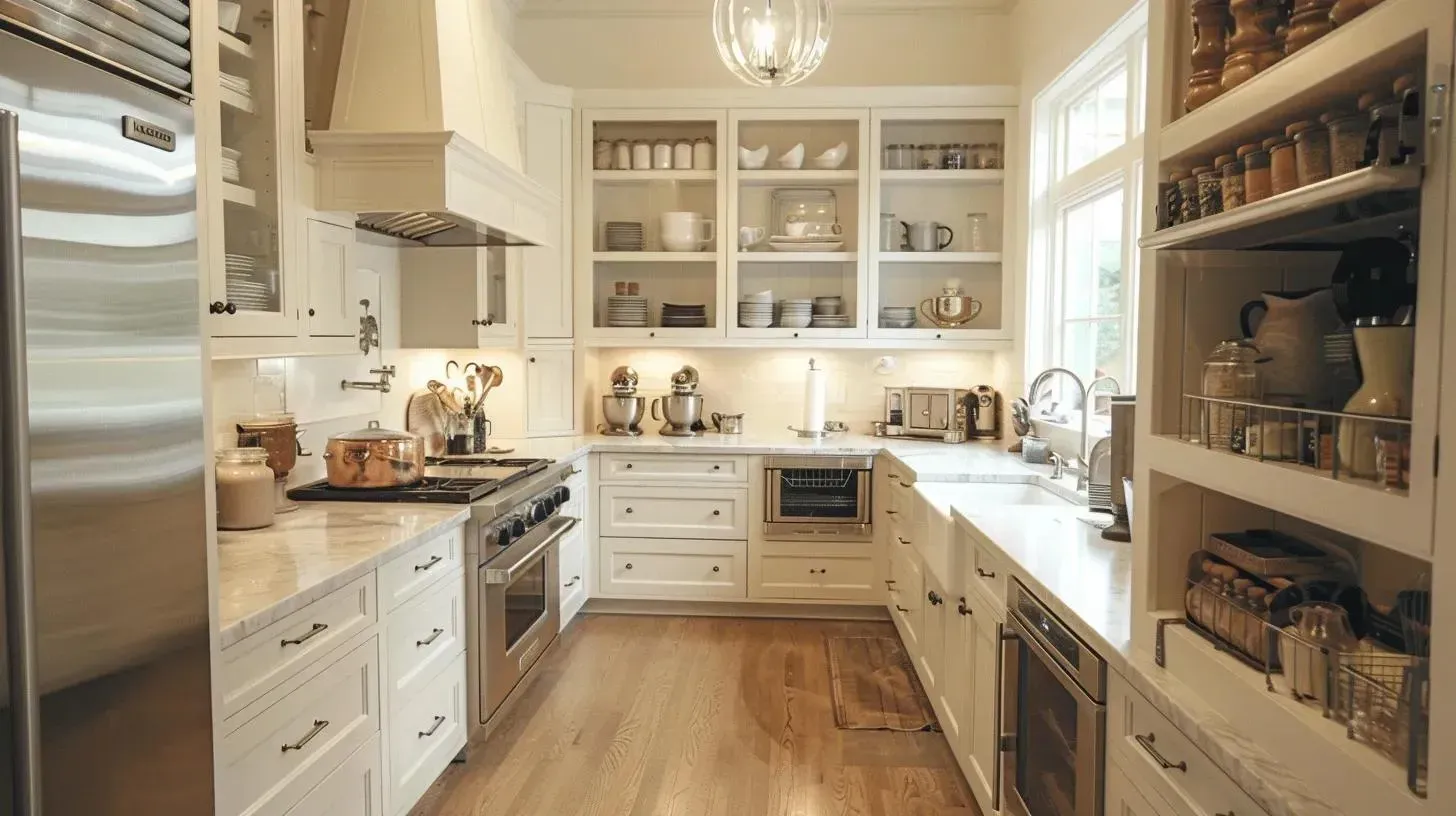
Storage planning checklist (copy/paste)
Use this checklist to translate your inventory into cabinet decisions.
- Inventory your categories (daily / weekly / seasonal)
- Identify your top 3 daily friction points (e.g., unloading dishes, pot storage, snack clutter)
- Define your storage zones (cleanup, prep, cooking, food storage)
- Place everyday dish/glass/flatware storage near the dishwasher/sink
- Choose drawer vs shelf strategy for base cabinets by item category
- Assign a home for awkward items (baking sheets, cutting boards, small appliances)
- Decide how you’ll handle corners (at least one functional corner solution)
- Plan trash/recycle location near prep
- Reserve a “landing” drawer/area for keys/mail if your kitchen is a hub (so counters stay clear)
Mini-scenario #2: A household with kids adds a snack drawer near the fridge and stores lunch containers in the same zone. The cooking zone stays calmer because kids aren’t crossing the prep area to grab snacks during dinner.
Want inspiration for storage layouts that fit real homes (not showroom kitchens)? Browse the project gallery.
Common mistakes and red flags in kitchen storage planning
These are the patterns that create “beautiful kitchen, frustrating day-to-day.”
- Planning cabinets before inventory. If you don’t know what you store, you’ll design storage that looks right but fits wrong.
- Too many specialty organizers. Accessories should solve a specific problem; otherwise they steal usable volume.
- Putting daily dishes far from the dishwasher. You’ll feel that mistake every single day.
- Ignoring corners. A blind corner without a solution becomes wasted space.
- Choosing shelves for heavy daily items. Stacking cookware in deep base cabinets is a common long-term regret.
- No “awkward items” plan. If baking sheets and small appliances don’t have a home, they’ll live on counters.
Quick FAQ: kitchen storage planning
How much storage do I actually need?
You need enough storage to keep daily items accessible and counters reasonably clear. An inventory-based plan is more reliable than adding cabinets “just in case.”
Should I store everything behind closed doors?
Not necessarily. A small amount of open storage can work if it’s for items you use constantly and can keep tidy. For most households, closed storage is easier to maintain.
Where should trash and recycling go?
Most kitchens work best when trash/recycle are close to the main prep area, so scraps and packaging don’t travel across the room.
What’s the best way to plan pantry storage?
Group pantry items by how you use them (breakfast, snacks, cooking staples) and keep the most-used items at eye level. Seasonal or bulk items can live higher or lower.
Next step
If your inventory and zones are clear, you’re ready to translate storage needs into a cabinet layout and selection plan.
- Kitchen remodeling pillar
- Estimate request (photos + notes)