Kitchen Work Triangle vs Work Zones: Which Kitchen Layout Works Better?
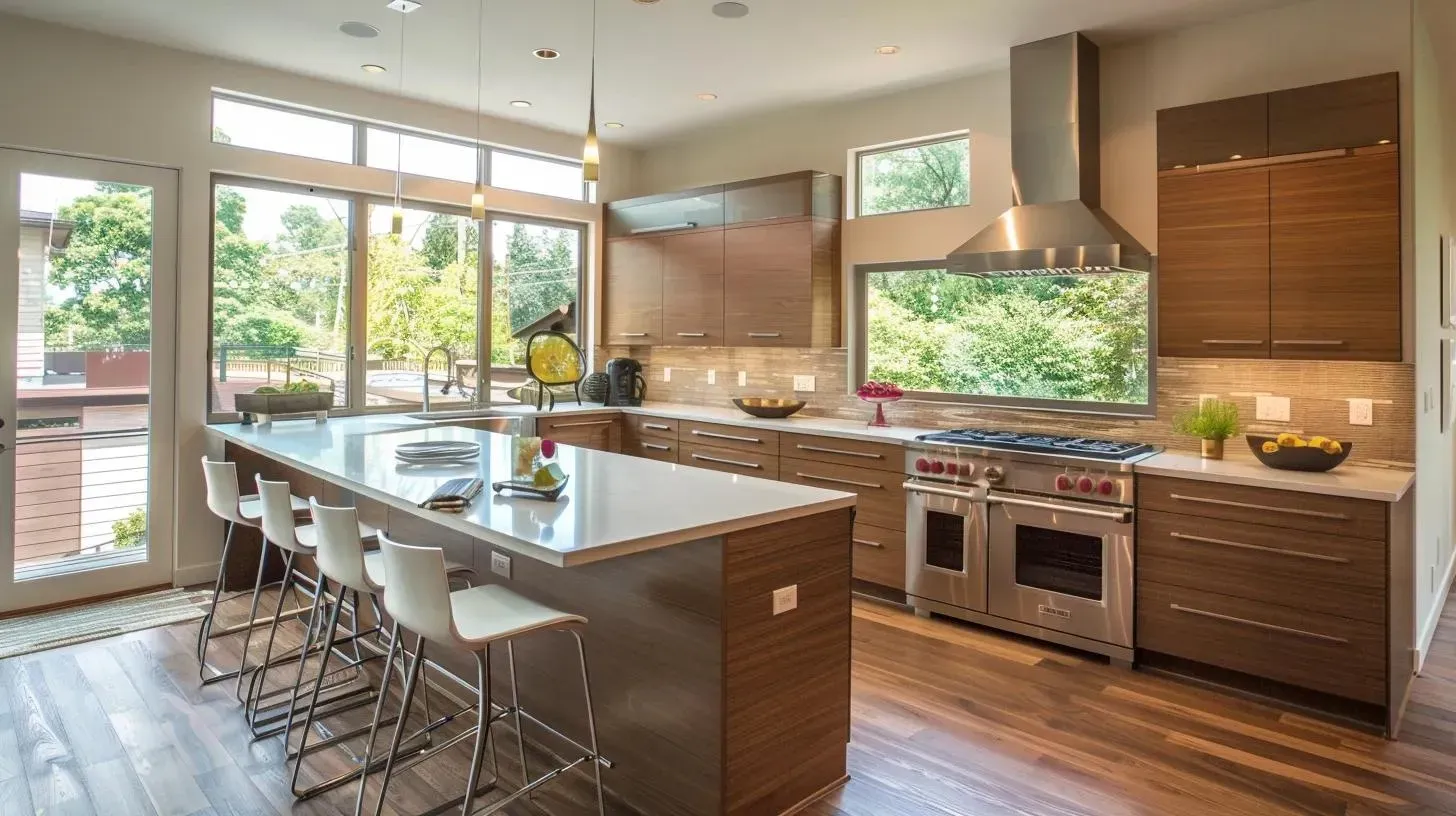
The classic kitchen work triangle (sink–range–fridge) is still a useful starting point, but many modern kitchens function better when you plan around work zones (prep, cooking, cleanup, storage, and more). This guide compares both approaches and helps you choose the one that fits your space, your household, and how you actually use your kitchen. If you’re planning a kitchen remodel in the Denver metro and want to see a scope-first, project-managed approach, start here. See “Trustwork Home Renovations and Repairs – Kitchen Remodeling.”
What is the kitchen work triangle, and why does it still matter?
The kitchen work triangle is a layout concept that aims to reduce unnecessary steps by keeping the sink, cooktop/range, and refrigerator in an efficient relationship. It still matters because it highlights two principles that never go out of style: unobstructed paths and reasonable travel distances between your main work centers.
In practice, the triangle works best when your kitchen is a dedicated cooking space (not a pass-through) and when one person is doing most of the cooking. It can also be a good “sanity check” to catch layouts that look great but create constant back-and-forth.
For reference planning guidance and diagrams, NKBA’s kitchen planning guidelines include triangle distance recommendations and traffic considerations.
What are kitchen work zones, and how are they different?
Kitchen work zones organize the room by tasks instead of by a strict three-point triangle. The idea is to give each recurring activity a home—so multiple people can use the kitchen without colliding and so specialty features (like beverage stations or baking storage) don’t disrupt the main cooking flow.
Zones typically include:
- Food storage (fridge + pantry)
- Prep (primary counter space + tools)
- Cooking (cooktop/range + nearby landing areas)
- Cleanup (sink + dishwasher + trash)
- “Extra” zones (coffee, baking, kid snacks, entertaining)
Zones are especially helpful in open-concept kitchens, kitchens with islands, and households where more than one person uses the kitchen at the same time.
Work triangle vs work zones: which fits your kitchen and household?
Most homeowners don’t need to pick one system forever—you can use triangle principles for the core path and still add zones for everything else. The key is matching the framework to how your kitchen will be used.
Decision table: choosing the right layout framework
| Your situation | Work triangle is usually better when… | Work zones are usually better when… | What to prioritize in the plan |
|---|---|---|---|
| One primary cook | Cooking is the main purpose; fewer simultaneous tasks | Multiple people use the kitchen at once | Clear path between sink–cooktop–fridge |
| Small or enclosed kitchen | You want efficient movement in a compact footprint | You need defined stations in limited space | Keep traffic out of the work area |
| Open concept / lots of foot traffic | You can protect the work path from pass-through traffic | The kitchen is a social hub and a passageway | Separate traffic lane from work lane |
| Island-heavy layouts | The island doesn’t interrupt the main work path | The island is a true prep/cleanup/cooking station | Aisle width and landing space around island |
| Specialty features (coffee bar, baking, second sink) | Extras are minimal and don’t disrupt the core triangle | You want dedicated stations for specific tasks | Keep specialty zones from blocking prep/cook/clean |
| Two cooks (or kids helping) | The kitchen can’t realistically fit parallel workflows | You need parallel workflows without collisions | Two-person circulation and shared landing areas |
Mini-scenario #1: A couple cooks dinner together most nights. Their existing “triangle” technically works, but the fridge sits in the main traffic lane. Moving the snack and beverage items into a small “kid zone” near the fridge (separate from the cook zone) reduces interruptions without changing the entire layout.
Which approach works best for common kitchen shapes?
As a rule of thumb, triangles tend to shine in kitchens with clear boundaries, while zones shine in kitchens that have multiple stations or multiple users.
- Galley kitchens: A triangle can be awkward because the space is linear, but triangle principles (short travel distances, no obstacles) still help. Zones often work well here: storage at one end, prep mid-run, cooking and cleanup positioned to avoid crossing.
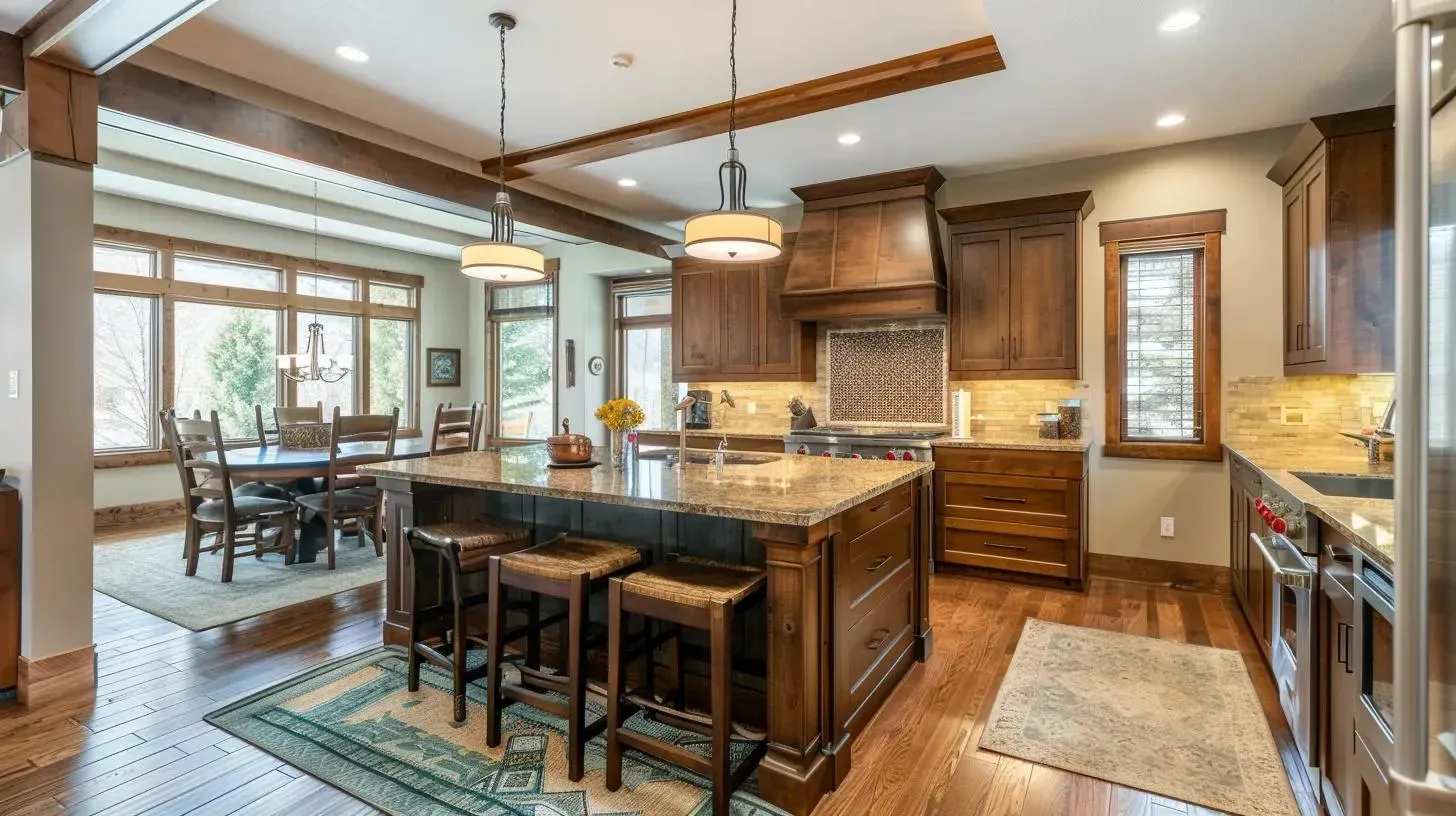
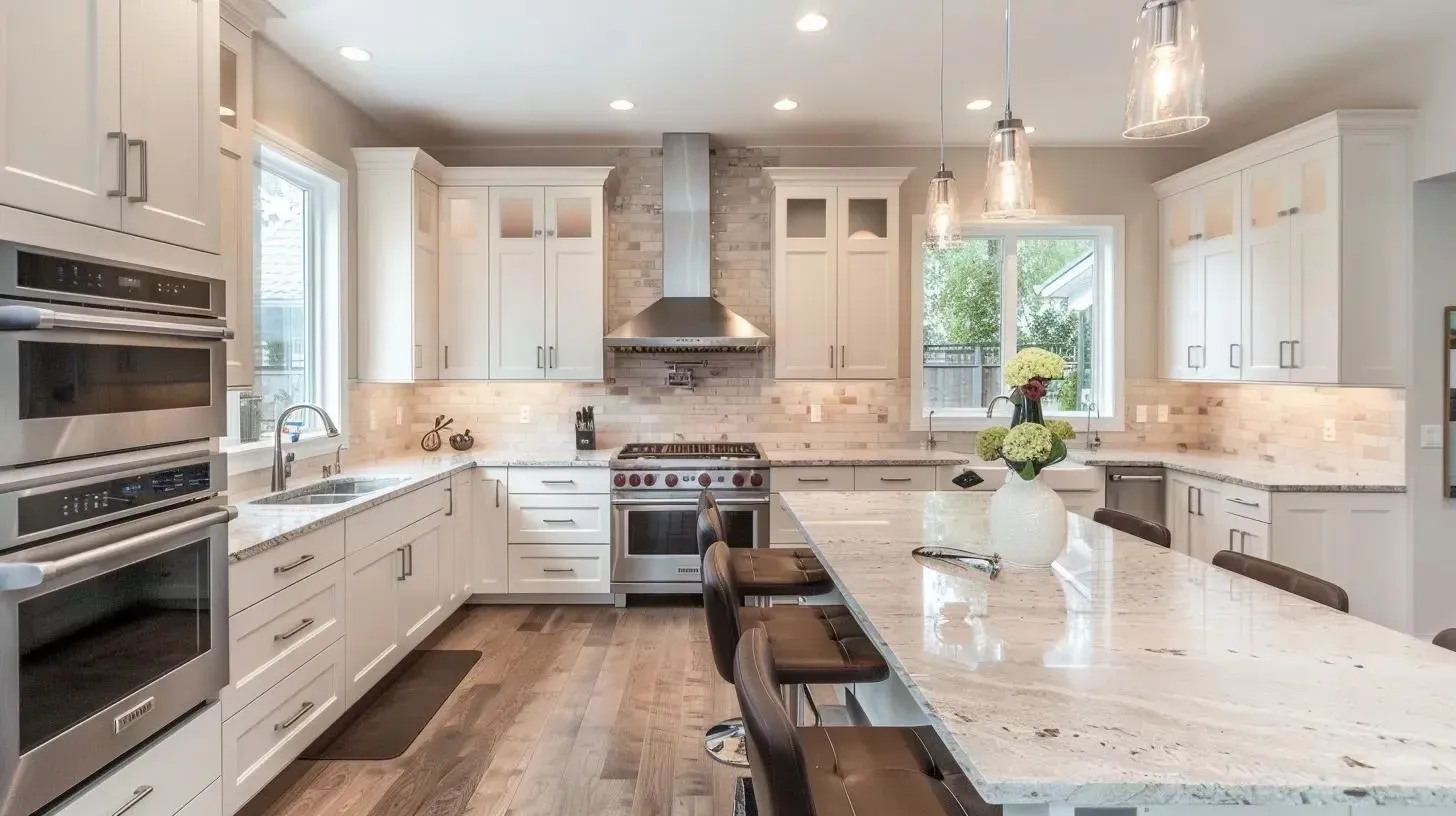
- L-shaped kitchens: Both frameworks can work. If you add an island, zones often become more useful because the island can serve as the prep hub while keeping cleanup and cooking organized.
- U-shaped kitchens: Triangles can be efficient if traffic stays out. Zones can still work—especially if one leg becomes a “prep wall” and another leg becomes cooking/cleanup.
- Large kitchens with islands (or double islands): Zones usually win, because you’re managing multiple tasks, multiple routes, and sometimes multiple sinks/appliance clusters.
Mini-scenario #2: A family remodels an open kitchen with an island. Instead of forcing a perfect triangle, they plan a prep zone on the island (tools + trash nearby), keep the cleanup zone along the sink wall, and create a snack/coffee zone away from the cooktop. The result feels calmer because guests and kids aren’t walking through the cook path.
How do you choose quickly? A layout decision checklist
Use this checklist to pick the framework that will keep working after the “new kitchen” excitement wears off.
- Who is the primary cook (one person or multiple)?
- Where does traffic naturally pass through the kitchen today?
- Do you want guests/kids in the kitchen while cooking—or out of the way?
- What task creates the biggest bottleneck (prep space, cleanup, fridge access, cooking)?
- Will you add an island, and if so, what job will it do (prep, seating, cleanup, cooking)?
- Do you need any specialty stations (coffee, baking, beverages, pet feeding, homework)?
- Can you keep a clear route between the three core work centers even with the island?
If you can answer these, you’re ready to discuss layout options with a remodel team—and to avoid a design that looks good but fights your routines.
If you want to see real before-and-after remodel examples and get layout ideas for different homes, browse
“Trustwork Home –
Project Gallery.”
Common mistakes and red flags when using triangles or zones
Most layout regrets come from one of these patterns:
- Treating the triangle like a rigid rule. If your kitchen has multiple stations, a strict triangle can force awkward placements.
- Letting traffic cut through the work area. Even a “perfect” triangle fails if people constantly cross it.
- Adding an island without protecting aisle space. Islands can be amazing prep hubs—or permanent bottlenecks.
- Building zones without a true prep area. If your prep zone is undersized, every task spills into other zones.
- Overloading one spot with every function. A single island that’s seating + prep + cooking + cleanup often becomes conflict central.
Quick FAQ: triangle vs zones
Is the kitchen work triangle outdated?
Not completely. It’s still a useful foundation for efficient movement, especially in smaller kitchens or for single-cook households. Many modern layouts simply supplement it with zones so the kitchen can handle multiple users and activities.
Can I use both a triangle and zones?
Yes. A practical approach is to keep an efficient core path between the main work centers while designing dedicated zones for prep, cleanup, storage, and specialty tasks.
What’s the biggest “tell” that I need zones?
If your kitchen is open to other rooms and you regularly have people walking through while you cook, zones help you separate traffic from work and reduce collisions.
For additional context on how designers think about modernizing the triangle concept, this overview summarizes how the idea has evolved. See
“Is the Kitchen Work Triangle Outdated?”
Next step
If you’re deciding between a triangle-driven layout or a zone-driven layout as part of a remodel, the next step is to connect your routine (how you cook and move) to a clear scope and plan.
- Kitchen remodeling pillar
- Estimate request (photos + goals)