When Should You Choose Appliances in a Kitchen Remodel (and Why Does It Matter?)
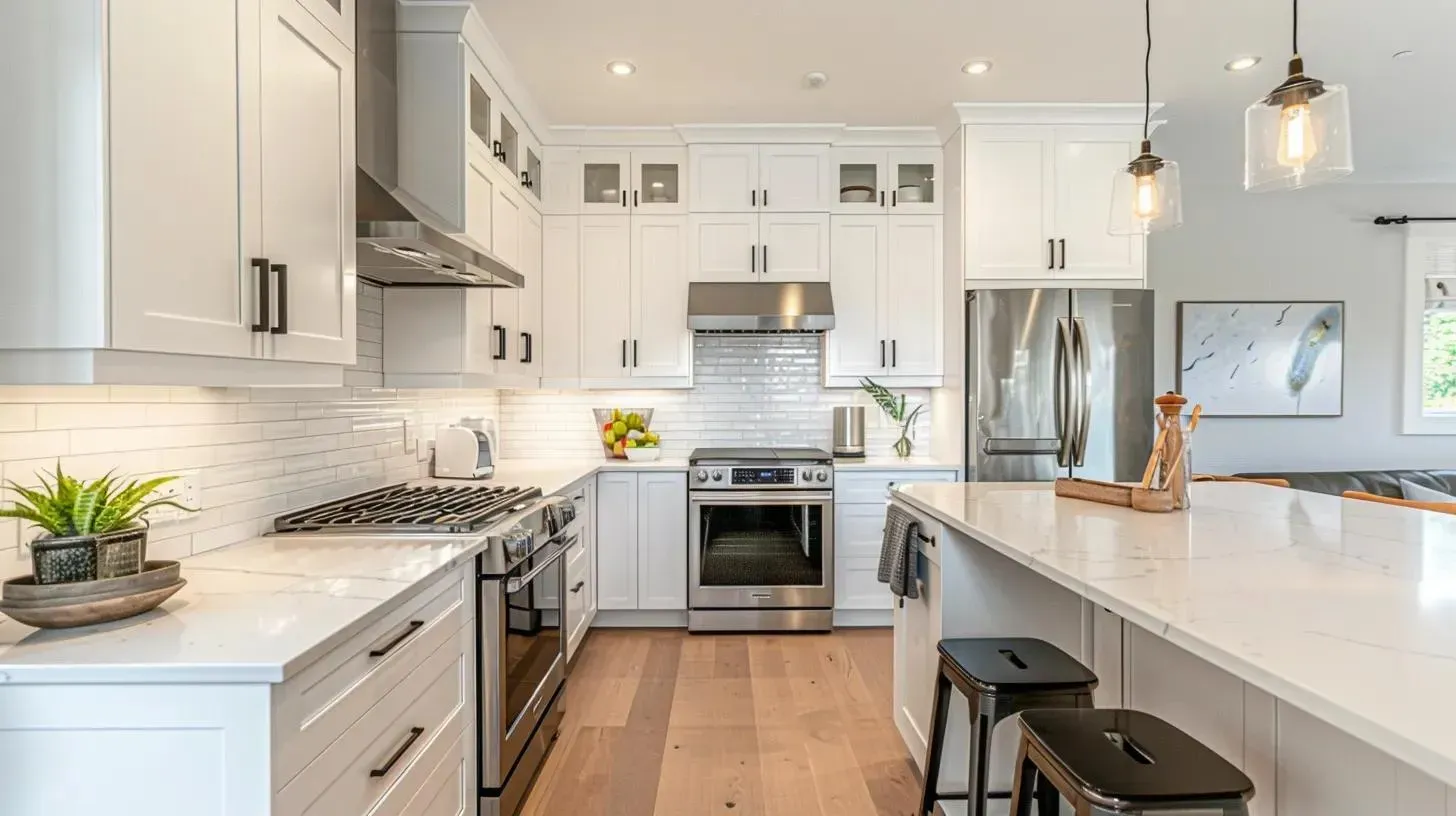
You don’t need to purchase appliances on day one, but you do need to choose your appliance plan early enough that cabinets, clearances, and rough-ins are designed around the correct specs. This article explains when to decide, what details matter for planning, and how to avoid rework when appliance choices change late.
If you’re planning a kitchen remodel in the Denver metro and want to see how a scope-first, project-managed approach works, start here.
When should you choose appliances in a kitchen remodel?
You should choose appliances before finalizing the cabinet layout and before trade rough-ins are locked. In most remodels, that means confirming the appliance plan during planning/design—well before demolition—so the kitchen can be built around real dimensions, clearances, and utility needs.
This doesn’t always mean buying immediately. Think of it as specifying: selecting models (or at least final sizes/requirements) early, then scheduling purchase/delivery to protect them from damage.
What happens if you pick appliances too late?
Late appliance decisions usually cause cabinets that don’t fit, clearances that don’t work, or rough-ins that land in the wrong place. The result is often redesign, delays, or “workarounds” that reduce function.
Here are common late-selection problems:
- A new refrigerator needs more door swing clearance than the design allowed.
- A slide-in range doesn’t match the planned countertop edge or cabinet opening.
- A hood insert requires different ducting than the original plan.
- A dishwasher depth conflicts with a planned panel-ready door.
If an appliance changes after cabinetry is ordered, the project can’t always “adjust” without cost or time impact.
Which appliance details matter most for remodel planning?
For planning, the most important details are dimensions, clearance needs, and installation requirements—not brand hype. Cabinets, countertops, and rough-ins depend on these.
Focus on these specs first:
- Width/height/depth (and whether handles or hinges add depth)
- Door swing and clearance (especially for fridges and wall ovens)
- Ventilation requirements (hood type, duct route, and termination location)
- Electrical requirements (voltage, amperage, dedicated circuits)
- Plumbing needs (dishwasher, fridge water line, pot filler if applicable)
- Installation type (freestanding vs slide-in; built-in vs counter-depth; panel-ready vs standard)
For general clearance and activity-center planning principles, you can reference NKBA kitchen planning guidelines.
Do you need to buy appliances before cabinets?
Not necessarily. What you need is final appliance specs (or locked-in sizes and requirements) before cabinets are ordered.
Buying early can make sense if you have:
- A safe, dry place to store them
- A confirmed model you’re confident won’t change
- A long lead-time item you don’t want to risk going out of stock
But buying early can backfire if your layout is still fluid or if you’ll struggle to store appliances safely during construction.
Decision table: appliance timing choices (specify vs buy vs deliver)
| Timing choice | Best when… | Main upside | Main downside | What to lock in |
|---|---|---|---|---|
| Specify early, buy later | You want flexibility but need accurate planning | Cabinets/rough-ins match real requirements | Requires discipline to avoid late swaps | Dimensions, install type, power/vent needs |
| Buy early, store on-site | You have secure storage and long lead times | Reduces risk of product availability issues | Risk of damage, storage hassle | Exact model numbers + spec sheets |
| Buy early, deliver near install | You can coordinate delivery windows | Less storage risk, still secures purchase | Delivery timing must be managed tightly | Delivery date, access path, staging plan |
| Keep existing appliances | Appliance sizes are known and layout stays stable | Simplifies planning and reduces surprises | Limits design changes and upgrades | Confirm exact measurements + condition |
How do appliance choices affect cabinet layout and clearances?
Appliances influence cabinet planning in three big ways: openings, landing space, and traffic flow. Even small dimension differences can change where fillers, panels, and drawer banks belong.
Key layout impacts to confirm:
- Refrigerator zone: landing counter nearby, door swing clearance, and a path that doesn’t cut through the cook zone.
- Range/cooktop zone: landing areas on both sides, and space for utensil storage near the primary cooking area.
- Dishwasher zone: door clearance relative to nearby drawers and the sink, and space to unload dishes efficiently.
- Wall ovens/microwave: safe, comfortable reach height and adjacent landing space.
Mini-scenario #1: A homeowner upgrades to a wider, counter-depth fridge late in planning. The fridge door now hits the island seating edge, forcing either a smaller island or a fridge relocation. If the fridge spec had been locked early, the island could have been sized correctly from day one.
How do appliances affect electrical, plumbing, and ventilation rough-ins?
Appliance specs tell trades where utilities must land. Once rough-ins are completed and walls are closed, changes become much harder.
Planning details that commonly depend on appliance selection:
- Range type (electric, induction, gas) and its power/fuel needs
- Hood style (ducted vs recirculating), duct size/route, and where it exits
- Dishwasher power and water/drain alignment
- Refrigerator water line location (if applicable)
You don’t need to become an expert. The goal is simply to have appliance requirements documented so the rough-in plan matches reality.
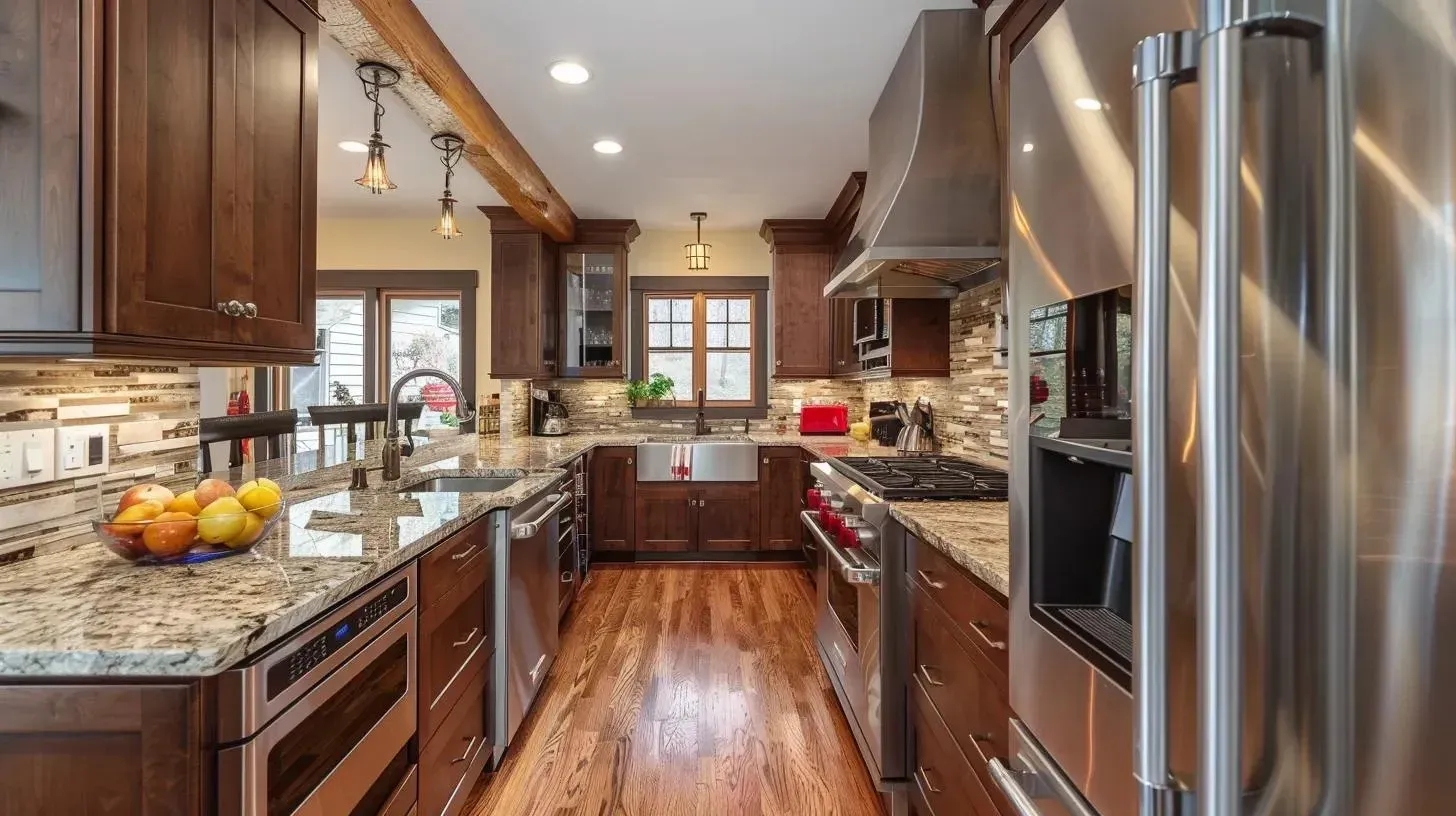
What’s a simple appliance-selection process that prevents delays?
A repeatable process is more valuable than chasing the “perfect” product list. Use this sequence to keep decisions moving without creating rework.
Appliance planning checklist (copy/paste)
- Decide what you’re keeping vs replacing (fridge, range, dishwasher, microwave, hood)
- Choose installation types (freestanding vs slide-in; built-in vs standard; panel-ready vs standard)
- Confirm exact dimensions + door swings (save spec sheets)
- Confirm ventilation approach (hood type + duct route if ducted)
- Confirm electrical and plumbing requirements from spec sheets
- Freeze appliance specs before cabinet order is finalized
- Plan delivery timing (store safely or deliver near install)
- Confirm installers know the appliance requirements and clearances
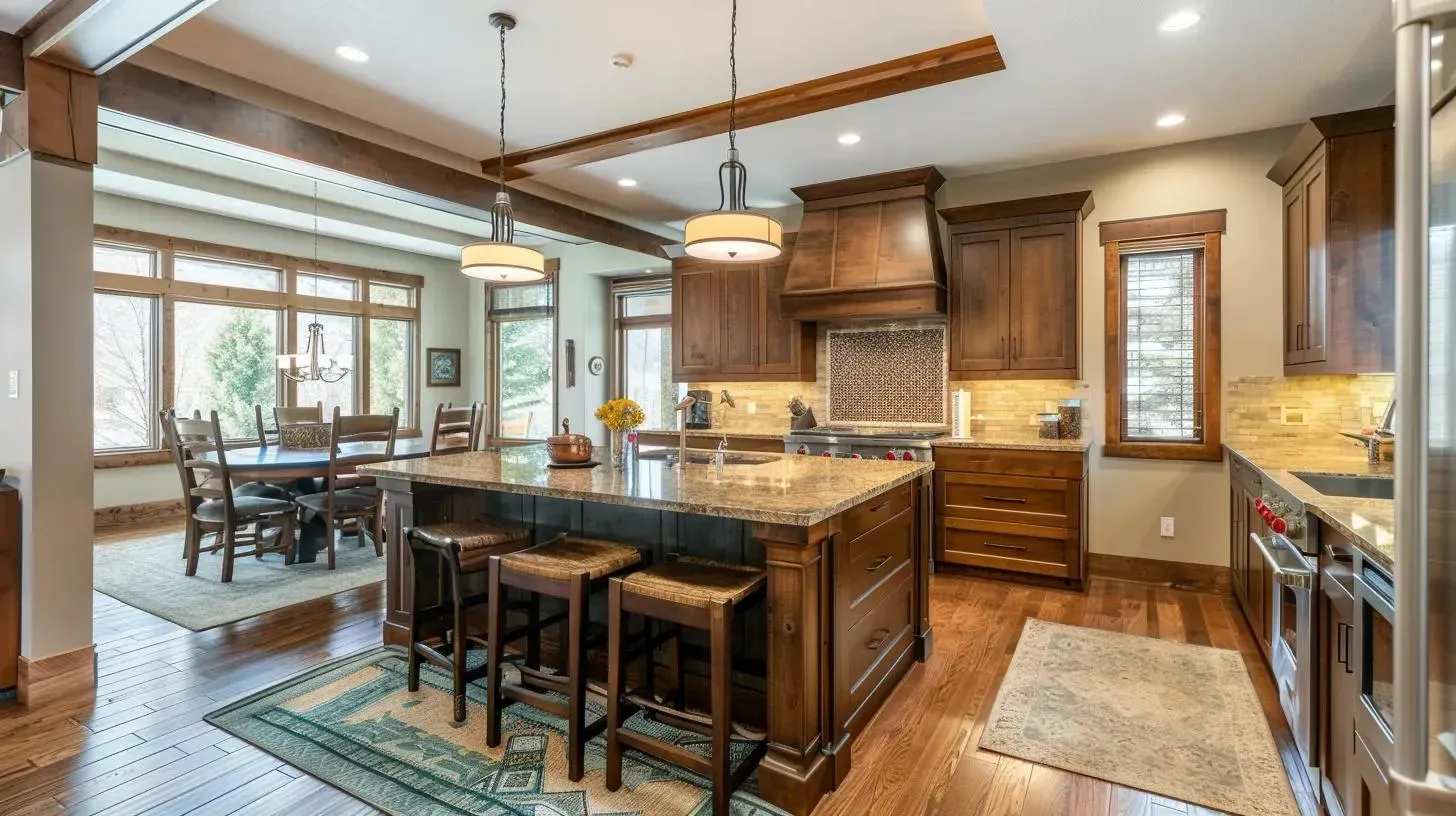
If you’re organizing your appliance decisions alongside layout and storage planning, browse real remodel examples here. See
“Trustwork Home – Project Gallery.”
Common mistakes and red flags (appliance timing edition)
These patterns are responsible for a large share of avoidable “why is this taking longer?” moments.
- Choosing cabinets first and hoping appliances will fit later. This is how you get awkward fillers, cramped openings, or a fridge that can’t open fully.
- Changing appliance specs after cabinet layout approval. Even a small change in width or handle depth can cascade into cabinet and countertop changes.
- Not planning ventilation early. The hood choice can drive duct routing and cabinetry details.
- Ordering without saving spec sheets. If the project team doesn’t have the requirements in writing, assumptions creep in.
- Buying early with nowhere to stage safely. Appliances can get scratched, dented, or become a storage headache.
Mini-scenario #2: A homeowner orders a statement range but doesn’t confirm the hood and ducting plan. After cabinets arrive, they realize the hood insert needs a different duct route than the framing allows. The fix requires changes that would have been simple on paper—but are hard once walls and cabinets are involved.
Quick FAQ: choosing appliances during a remodel
Can I choose appliances after the layout is done?
You can, but it’s risky. The safest approach is to choose appliances early enough that the cabinet layout and rough-ins are based on real specs.
Do I need exact model numbers to start planning?
Not always. If you’re not ready to pick brands, you can still lock in final sizes and installation requirements. But you should avoid changing those specs after cabinets are ordered.
Should appliances be installed before or after cabinets?
Appliances are typically installed near the end to reduce damage risk. The key is that their specs should be known early, even if installation happens later.
How do I compare operating costs without getting lost?
Use official labels and programs. The FTC explains how to use the yellow EnergyGuide label for comparison shopping.
If you’re looking for a high-level, government-issued kitchen appliance energy-efficiency reference (no brand recommendations), this guide outlines criteria and savings considerations. See “Consumer Guide to Kitchen Appliances.”
Next step
If your appliance specs are chosen (or at least sized and documented), you’re ready to align cabinets, rough-ins, and the build sequence around them.
- Kitchen remodeling pillar.
- Estimate request (photos + notes).