How to Prepare Your Home for a Kitchen Remodel (Dust, Safety, and Daily Life)
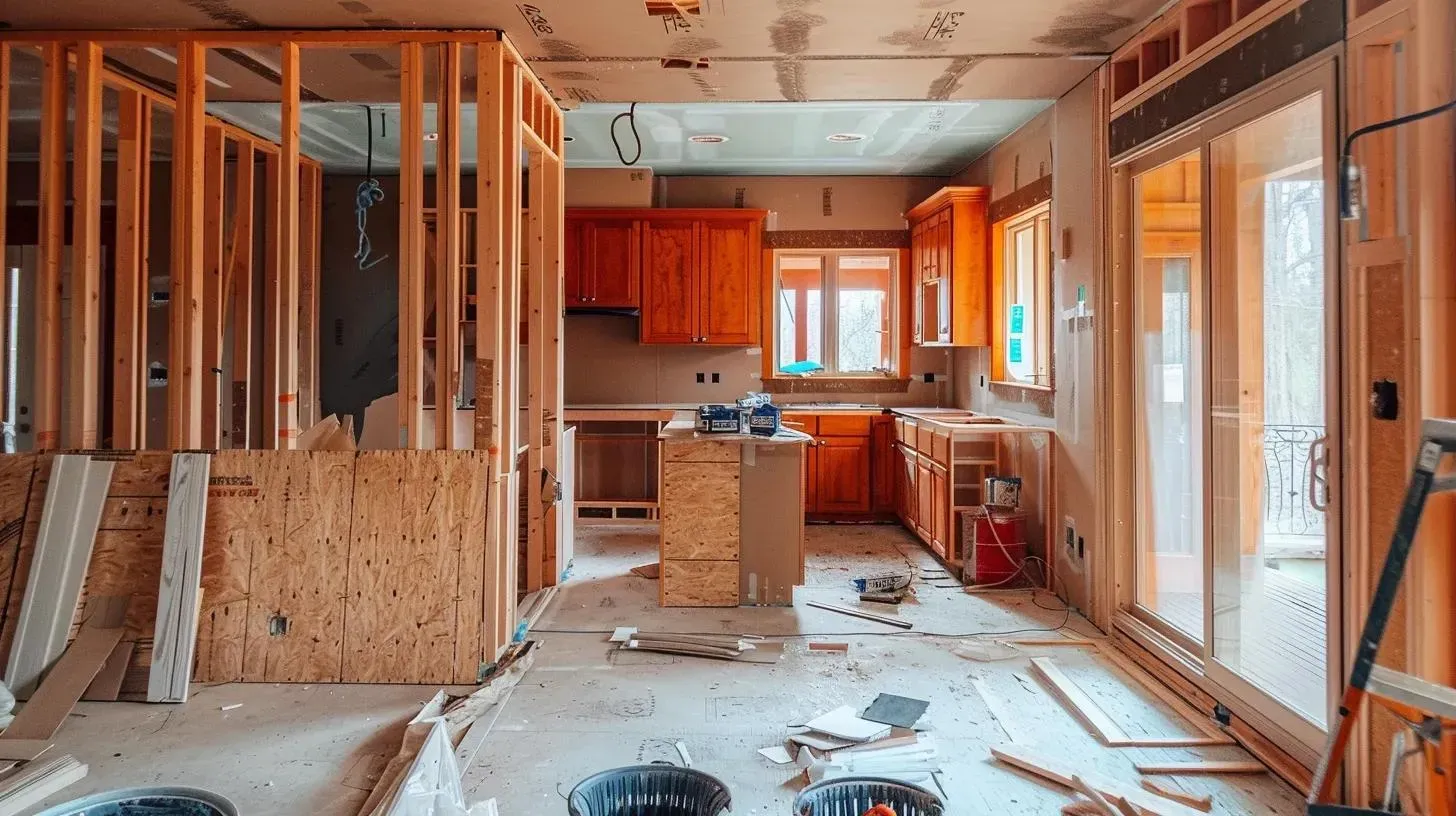
A kitchen remodel is disruptive even when it’s well-managed—mainly because your home becomes an active worksite. This guide focuses on the
practical prep that keeps dust contained, protects your belongings, and helps your household keep functioning day to day. For a high-level overview of a project-managed
kitchen remodel
in the Denver metro.
What should you clear out or protect before demo day?
Clear-out is the fastest way to prevent accidental damage and “we had nowhere to put it” chaos. Start by removing what you don’t need daily, then protect what has to stay.
Begin with the kitchen and the nearest high-traffic areas. Pack anything breakable, move countertop appliances, and empty base cabinets if they’ll be removed. If your kitchen connects to living/dining areas, relocate delicate items (art, plants, electronics) that collect dust easily.
A practical approach is to create three piles: Keep accessible, Pack and store, and Donate/trash. The less you own in the work zone, the easier dust control and daily cleanup become.
How do you set up dust control and a protected path through the house?
The goal is to keep dust in the work zone and keep the crew’s path in and out from grinding through your entire home. Ask where the entry/exit route will be, then protect that route like it’s part of the project.
In most homes, the best dust plan includes: (1) a physical barrier, (2) a protected walkway path, and (3) daily cleanup with the right equipment. Even a “small” remodel creates fine dust that travels farther than people expect.
Decision table: dust containment options (what to use, and when)
| Dust control option | Best for | Main advantage | Watch-out | What to confirm with your crew |
|---|---|---|---|---|
| Plastic sheeting + painter’s tape (basic DIY barrier) | Short, low-dust work | Cheap and fast | Tears easily; gaps leak dust | Where the barrier starts/ends and how doors will work |
| Zip-style zipper door barrier | Projects where people need to pass through | Easier access with a seal | Needs careful install to seal edges | Which doorway will be 'the' pass-through |
| Pole-based temporary wall system | Longer remodels; higher dust tasks | More stable, better seal | Still requires a clean perimeter seal | Whether floors/ceilings need protection from poles |
| HEPA air scrubber/negative air setup | Heavy demo/sanding; sensitive households | Pulls dust out of the air | Noise + needs exhaust planning | Where it exhausts and when it runs |
| Daily HEPA vacuum + damp wipe routine | Every remodel | Reduces dust migration over time | Needs consistency to be effective | What 'daily cleanup' includes and who does it |
Mini-scenario #1: A household with allergies keeps the project on track by agreeing on one entry route and adding a stable barrier between the kitchen and living room. They also move soft furnishings (rugs, throw blankets) out of the adjacent space, so dust has fewer places to settle.
Where should your temporary kitchen go, and what should it include?
Pick a spot close enough to be convenient but far enough that you’re not living inside the work zone. A dining room corner, laundry room, or finished basement area often works well.
A temporary kitchen is easier when you design it around two needs: quick meals and simple cleanup. You don’t need gourmet capability—just a predictable routine.
A “works for most people” temporary setup includes:
- A microwave or toaster oven
- An electric kettle or coffee maker
- A small prep surface (folding table is fine)
- A bin for utensils + paper towels
- A plan for dishes (dishpan in a bathroom sink, or disposable plates when needed)
Mini-scenario #2: A family with two school-age kids sets up a snack station near the fridge with labeled bins for lunch items. Dinner is simpler because the cooking zone (temporary counter + microwave/toaster oven) isn’t constantly interrupted by “where are the snacks?” trips.
How do you keep kids and pets safe during a kitchen remodel?
Treat the remodel area like a construction site—because it is one. The safest plan is a physical boundary and a daily routine that keeps kids and pets away from tools, cords, debris, and open doorways.
For kids, use a consistent rule: the remodel zone is “off limits” unless an adult is present. For pets, plan a separate room, crate, daycare, or time away from home during the noisiest days. The American Academy of Pediatrics recommends keeping children away from renovation hazards like dust, debris, and excessive noise.
When renovating with crawlers or toddlers at home, increase ventilation and plan for detailed cleanup of adjacent spaces so dust doesn’t accumulate where little ones play and breathe. See, Seattle Children’s Hospital – “How to Keep Kids Safe During Home Repairs and Remodels.”
What daily-life routines should you plan for (meals, trash, parking, noise)?
Set expectations early for the “little” things that become daily friction. A simple household plan reduces stress more than most people expect.
Decide in advance:
- Where groceries will live (fridge access, pantry items in bins)
- How trash and recycling will be handled when the kitchen is disrupted
- Where workers will park and where materials will be staged
- Quiet hours (if you work from home or have naps)
Also plan for a communication rhythm: one weekly check-in and a place to collect decisions (notes app, shared doc, or a printed list). Small decisions pile up, and the remodel feels smoother when they’re handled in batches.
What should you do about hazardous dust in older homes?
If your home was built before 1978, it’s smart to assume lead-based paint could be present somewhere. Disturbing painted surfaces during renovation can create lead dust, which is especially concerning for kids and pregnant people.
You don’t need to diagnose this yourself, but you should ask your remodel team how they handle dust control in older homes and what lead-safe practices apply. EPA guidance on lead-safe renovation and the Renovation, Repair and Painting (RRP) program.
If you want to align your home-prep plan with your remodel scope and schedule, the kitchen remodeling overview shows how planning connects to execution.
Pre-demo prep checklist (copy/paste)
Use this checklist the week before demo so you don’t scramble on day one.
- Clear countertops and remove small appliances
- Empty cabinet contents that will be removed (or confirm what stays)
- Pack breakables and relocate nearby décor/electronics
- Choose the crew entry/exit route and protect that path
- Set up a dust barrier boundary and confirm how the doorway works
- Protect floors (work zone + hallway path)
- Choose a temporary kitchen spot and stage essentials
- Create a “daily dishes” plan (dishpan, bathroom sink, or disposables)
- Set a kid/pet boundary plan (gates, closed doors, crate/daycare)
- Set a weekly check-in time and a single place for decisions.
What are common mistakes and red flags when prepping for a remodel?
These issues don’t just feel annoying—they often create delays, damage, or safety risks.
- Starting without a dust plan. If the barrier and pathway aren’t defined, dust spreads fast.
- Leaving valuables in adjacent rooms. Fine dust settles on fabric and electronics and takes time to clean.
- No temporary kitchen plan. That’s when takeout becomes the default and stress spikes.
- No kid/pet boundary. Curious kids and stressed pets are drawn to noise, cords, and open doors.
- Changing the “work path” daily. If workers have to step over your life, everyone gets frustrated.
- Vague cleanup expectations. Confirm what “daily cleanup” means before the project begins.
Quick FAQ: preparing for a kitchen remodel
How far does remodel dust travel?
Farther than most people expect. Even with barriers, fine dust can migrate through gaps and HVAC paths, which is why defining a boundary and protecting the main walkway matters.
Do I need to move out during the remodel?
Not always. Many people stay home with a temporary kitchen setup and clear safety boundaries, but families with very young kids, sensitive allergies, or pets that can’t be contained may prefer to plan time away during heavy work.
What should I do with my HVAC during dusty work?
Ask your remodel team how they plan to reduce dust migration and whether vents near the work zone should be protected. Avoid DIY HVAC changes unless you know what you’re doing.
Next step
If your home is prepped and you’re ready to connect scope, schedule, and execution, start with “Kitchen Remodeling” to align planning, then share your photos and notes through “Estimate Request” for scoping.